







































Updated July 10, 2026

Nursery & Greenhouse Insurance in Montana
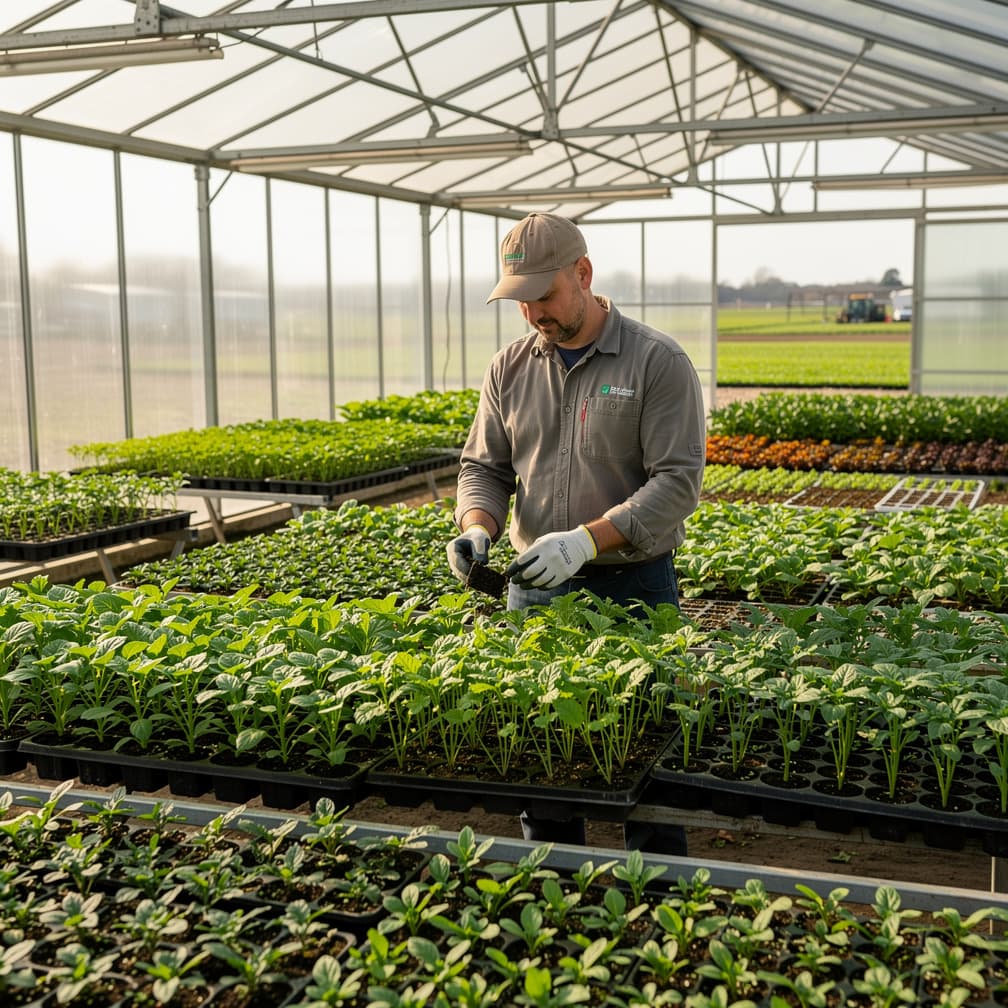
A nursery and greenhouse operation in Montana has to plan for more than plant care. Wildfire smoke, winter storms, and sudden weather swings can all affect buildings, inventory, and day-to-day sales, while customer traffic around wet floors, soil, hoses, and display benches can create liability exposure. If you are comparing a nursery and greenhouse insurance quote in Montana, the goal is to line up protection for property coverage, liability coverage, equipment, and business interruption without paying for features you do not need. That matters whether you run a retail plant nursery near Helena, manage greenhouse growing space outside Billings, or ship inventory from a smaller operation in a rural county. Montana also has practical buying rules to keep in mind, including workers' compensation requirements for businesses with employees and lease proof requirements for many commercial spaces. A quote should reflect your building setup, plant inventory, customer traffic, and whether you rely on heating, irrigation, or ventilation systems to keep operations moving.
Climate Risk Profile
Natural Disaster Risk in Montana
Understanding climate-related risks helps determine appropriate insurance coverage levels.
Wildfire
Very High
Winter Storm
High
Earthquake
Moderate
Flooding
Moderate
Expected Annual Loss from Natural Hazards
$280M
estimated economic loss per year across Montana
Source: FEMA National Risk Index
Risk Factors for Nursery & Greenhouse Businesses in Montana
- Montana wildfire exposure can drive property damage, building damage, and business interruption concerns for nurseries and greenhouse operations.
- Winter storm conditions in Montana can strain roofs, glazing, and heating systems, increasing the chance of property damage and equipment breakdown.
- Flooding in Montana can affect inventory, growing areas, and access to facilities, creating property coverage and business interruption concerns.
- Vandalism and theft risks in Montana can impact plant inventory, tools, and greenhouse equipment, especially during off-hours.
- Customer injury exposure in Montana can rise around wet walkways, display areas, and crowded retail spaces, creating liability coverage needs.
How Montana compares with the national baseline
Property crime per 100,000 residents
2,350 vs 2,200 baseline
Property crime in Montana runs above the national average, at 2,350 vs 2,200 incidents per 100,000 residents.
Blue bar: Montana. Gray line: national baseline.
How Much Does Nursery & Greenhouse Insurance Cost in Montana?
Nursery & Greenhouse Insurance is a bundle of separate policies, priced separately. The ranges below are typical figures for Montana for each line, except workers compensation, which is rated per $100 of payroll; a quote prices each one against your own operations.
| Coverage | Typical range | What moves your price |
|---|---|---|
| General Liability Insurance | $70 - $240 per month | Industry and risk classification, annual revenue, number of employees |
| Commercial Property Insurance | $160 - $625 per month | Building value and construction type, roof age and condition, fire protection class |
| Workers Compensation Insurance | $0.75 - $2.74 per $100 of payroll | Employee classification codes, total annual payroll, experience modification rate |
| Business Owners Policy Insurance | $140 - $430 per month | Annual revenue and industry class, building and contents values, square footage and building age |
Prices shown are general estimates, not guaranteed rates or quotes. Your actual premium will depend on the insurer, coverage selected, business details, location, claims history, and other underwriting factors. Learn about our pricing methodology.
What Montana Requires for Nursery & Greenhouse Insurance
Non-compliance can result in fines, loss of contracts, and personal liability:
- Workers' compensation is required in Montana for businesses with 1 or more employees, with exemptions for sole proprietors and working partners.
- Montana businesses often need to maintain proof of general liability coverage for most commercial leases, so policy documents should be ready for landlord review.
- Commercial auto liability minimums in Montana are $25,000/$50,000/$15,000 if the business uses vehicles for deliveries or hauling.
- Coverage applications should be prepared for review by the Montana Commissioner of Securities and Insurance, the state regulator for insurance matters.
- Quote comparisons should confirm whether the policy includes property coverage, liability coverage, and any needed endorsements for equipment and inventory.
| Requirement | What Montana law says |
|---|---|
| Auto liability minimums | $25,000/$50,000/$15,000 (bodily injury per person / per accident / property damage). These floors apply to personal and business vehicles alike; lenders and contracts often require more. |
| Workers compensation | Generally required once you have your first employee. Some roles are exempt, so confirm current thresholds before you hire. |
| Where to verify | Montana Commissioner of Securities and Insurance publishes current requirements, consumer guides, and license lookups. |
Get Your Nursery & Greenhouse Insurance Quote in Montana
Compare rates from multiple carriers. Free quotes, no obligation.
Common Claims for Nursery & Greenhouse Businesses in Montana
A winter storm damages part of a greenhouse roof and disrupts heating, forcing a temporary shutdown while repairs are made.
A customer slips on a wet walkway near the retail area and the business faces a customer injury claim and legal defense costs.
A wildfire-related event or nearby smoke damage affects plant inventory and slows sales during a key season.
Preparing for Your Nursery & Greenhouse Insurance Quote in Montana
A list of greenhouse structures, retail areas, and any storage or growing buildings you want included in property coverage.
An inventory summary for plants, soil, tools, and equipment, plus the value of any specialized greenhouse systems.
Employee count and payroll details if you need workers' compensation in Montana.
Information about customer traffic, lease requirements, and any existing liability coverage or endorsements you want matched.
Coverage Considerations in Montana
- Property coverage for greenhouse structures, benches, tools, and inventory exposed to wildfire, winter storm, and vandalism losses.
- Liability coverage for customer injury, third-party claims, and legal defense when visitors are on-site.
- Equipment breakdown coverage for greenhouse growers relying on heating, irrigation, or ventilation systems.
- Business interruption protection to help with lost income when a covered property event interrupts operations.
What Happens Without Proper Coverage?
The reason to carry nursery and greenhouse insurance is practical: one loss can hit several parts of the business at once. A storm can damage a greenhouse covering, soak inventory, and create unsafe customer walkways in the same event. A fire can affect the building, growing equipment, stored supplies, and your ability to keep plants alive long enough to sell them. A customer injury claim can pull your attention away from operations and into defense, medical allegations, and settlement discussions.
This trade also has a timing problem that many other businesses do not face. Losses are not only about what breaks today. They can disrupt a growing cycle you have already invested labor, water, space, and time into. If irrigation controls fail or heating equipment goes down, the damage may spread through inventory before repairs are complete. That is why property coverage should be reviewed with your actual structures, systems, and stock patterns in mind.
Liability pressure often comes from ordinary daily activity. Customers walk through wet areas, employees load heavy materials into personal vehicles, and displays move around with the season. If your operation hosts weekend traffic, spring promotions, or contractor pickups, your exposure changes with the flow of people and vehicles on site. General liability insurance can help you address third party injury and property damage claims, but only if the policy setup matches how the premises is used.
Workers compensation insurance matters because the work is physical even when the business feels customer friendly from the front counter. Repetitive lifting, awkward carrying, ladder use, tool handling, and outdoor heat or cold can all lead to injuries that interrupt staffing and create claim costs. If one experienced employee is out during peak season, the operational strain can be immediate.
You may also need proof of coverage to satisfy a lease, vendor agreement, event requirement, or commercial customer contract. That makes insurance part of how you keep business moving, not just a back office purchase. Before renewing, review your busiest season, your employee duties, and any recent changes to structures or inventory so the quote you request reflects the operation you run now.
Recommended Coverage for Nursery & Greenhouse Businesses
Based on the risks and requirements above, nursery & greenhouse businesses need these coverage types in Montana:

General Liability
Essential coverage for every business, protect against third-party bodily injury, property damage, and advertising claims.

Commercial Property
Safeguard your business property, equipment, and inventory against damage and loss.

Workers Compensation
Help cover your employees' medical expenses and lost wages for work-related injuries and illnesses.

Business Owners Policy
Bundle property and liability coverage into one convenient, cost-effective policy for small businesses.
Nursery & Greenhouse Insurance by City in Montana
Insurance needs and pricing for nursery & greenhouse businesses can vary across Montana. Find coverage information for your city:
Insurance Tips for Nursery & Greenhouse Owners
Review plant inventory values by season before renewal, because peak stock levels can change faster than a standard annual estimate suggests.
Walk your property as a customer would, noting hoses, wet surfaces, loading zones, and display edges that can drive liability claims.
Separate retail, growing, storage, and employee-only areas during the quote process so liability and property exposures are described clearly.
Match workers compensation classifications and payroll to actual duties, especially if employees split time between sales, loading, and propagation work.
Ask whether your business owners policy structure still fits after adding greenhouses, shade structures, or higher value equipment to the site.
Document heating, ventilation, irrigation, and other plant-support systems in detail, because those components can be central to loss severity.
Review lease and vendor insurance requirements before binding coverage so your liability limits and proof of insurance meet contract expectations.
FAQ
Frequently Asked Questions About Nursery & Greenhouse Insurance in Montana
It can be built around property coverage and liability coverage for a Montana nursery or greenhouse, with options that may address building damage, inventory, customer injury, third-party claims, and business interruption. Exact terms vary by policy.
Yes, if your business has 1 or more employees, workers' compensation is required in Montana. Sole proprietors and working partners are exempt under the state data provided.
Yes, quotes can be structured to consider equipment and inventory. For Montana growers, it is smart to ask about equipment breakdown coverage for greenhouse growers and property coverage for plant inventory.
Wildfire and winter storm exposure can influence pricing and coverage choices because they raise the chance of building damage, business interruption, and equipment-related losses. Flooding and vandalism can also affect what you choose to include.
Have your building details, inventory values, employee count, lease requirements, and information on heating, irrigation, and ventilation systems ready so the quote can reflect your nursery or greenhouse operation accurately.
A retail garden center usually needs general liability insurance, commercial property insurance, workers compensation insurance, and sometimes a business owners policy. Your quote should reflect customer foot traffic, loading activity, seasonal displays, and the value of inventory and equipment on site.
It can, within the property review, and the key is how that inventory is valued and described. Discuss seasonal peaks, growing stages, storage areas, and which losses would create the hardest replacement problems for your operation.
Nursery employees handle lifting, loading, pruning, watering, and repetitive physical tasks that can lead to strains, slips, cuts, and other injuries. Workers compensation insurance should be reviewed with actual job duties in mind, especially if staff move between retail and growing areas.
Updated March 31, 2026