







































Updated July 16, 2026

Builders Risk Insurance in Great Falls
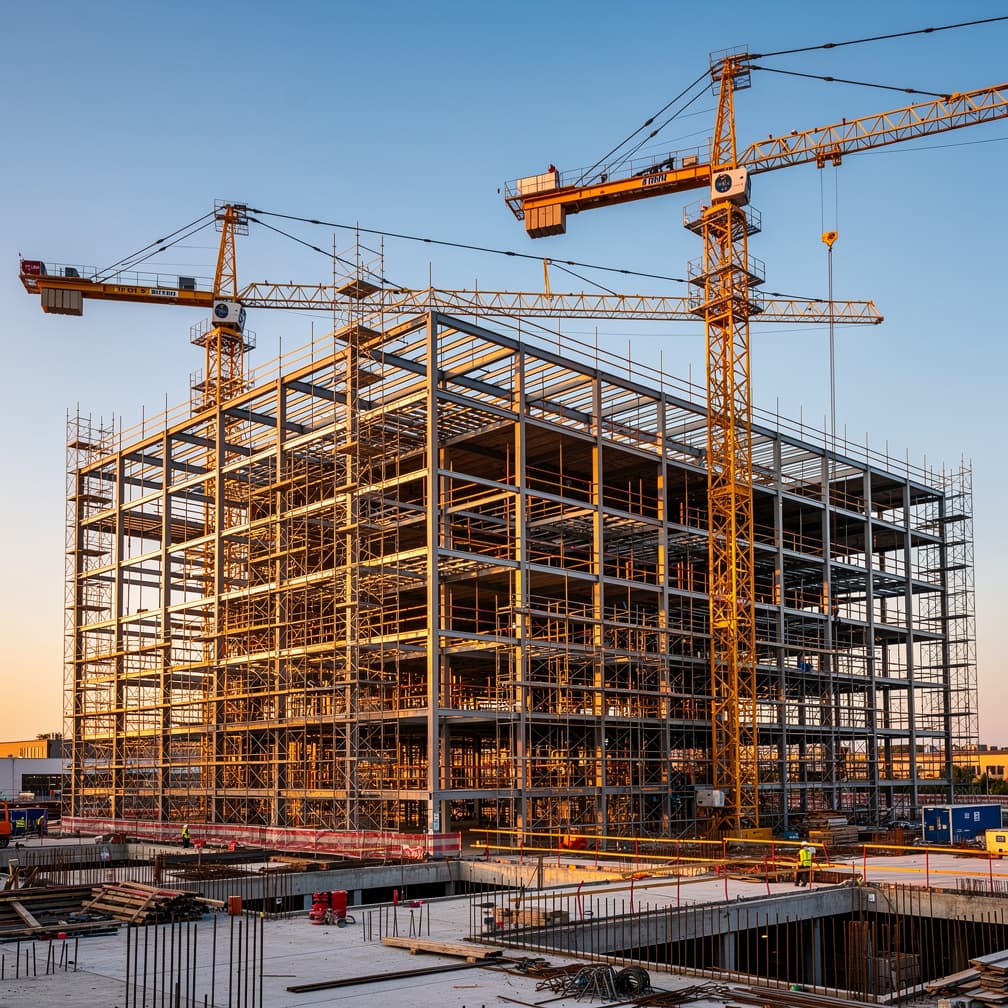
Property managers, local lenders, and general contractors here often ask for proof of coverage before they release keys, approve draws, or let materials start landing on site. Satisfying them usually means a policy that matches the construction contract, names the right financial interests, and shows a limit that tracks the project budget rather than a rough guess. Getting this right is less about checking a box and more about giving every party on the job the documentation they need to move forward.
If you are building a spec home, renovating a small commercial property, or taking on an owner-funded addition, the questions come down to who has money at risk, what property is being insured during the job, and whether temporary storage, transit, or soft costs need to be reviewed before work ramps up. The city's median home value is $237,400. That is a quarter-million dollars tied up in a modest residential build before the first wall goes up. You want the completed value, change orders, and any owner-supplied materials documented clearly before the first major delivery.
Builders Risk Insurance Risk Factors in Great Falls
Great Falls projects often need a tighter review of where value sits during each phase of the job. On a smaller residential build or remodel, one delivery of windows, cabinets, or mechanical equipment can represent a large share of the total insured value for that stage of construction. With the city's median home value at $237,400, a buyer who treats the limit as an afterthought can end up underdocumenting a project that already carries real property value, especially if upgrades or owner-furnished materials are involved. That is why it helps to review the completed value, the build schedule, and where materials will be stored before binding coverage. If your job includes detached structures, phased renovations, or materials waiting off site for installation, ask for those details to be addressed specifically so the policy terms line up with how the project actually moves.
Montana has a moderate climate risk rating. Top hazards: Wildfire (Very High), Winter Storm (High), Earthquake (Moderate), Flooding (Moderate). The state's expected annual loss from natural hazards is $280M, which influences builders risk insurance premiums and may affect coverage availability in high-risk areas.
What Builders Risk Insurance Covers
You want the quote to match how the work will actually unfold on your site. That means reviewing whether the policy is being written around new construction, a major remodel, or an addition where existing property and new work may need to be separated carefully.
For many Montana projects, a practical review includes temporary storage, materials in transit, and the point at which installed items become part of the covered project. If windows, cabinets, mechanical equipment, or finish materials arrive early and sit before installation, ask how those items are treated at the site and away from it. If your build depends on special-order components or long replacement lead times, ask how a delay after a covered loss could affect the budget and schedule. Those questions matter more when replacement materials are not easy to source quickly.
You should also review who needs to be named or recognized under the policy. Owners, general contractors, lenders, and others with a financial interest may all need to appear correctly, depending on the contract. That distinction can decide whether a loss falls to your builders risk policy, another property policy, or a gap you need to fix before work starts.
Montana weather exposure also makes site protection details worth spelling out. If the project will sit idle between trades, if materials will be stored outdoors, or if the site is some distance from regular supervision, bring that up in the application. The policy terms can then be reviewed around the real job conditions rather than a generic template.
Coverage Included

Structure Coverage
Covers the building or structure under construction.
Materials on Site
Covers building materials stored at the construction site.

Materials in Transit
Covers materials being transported to the job site.
Temporary Structures
Covers scaffolding, fencing, and temporary buildings.

Soft Costs
Covers additional expenses from construction delays due to covered losses.
Equipment Coverage
Covers permanently installed fixtures and equipment.
Industries & Insurance Needs in Great Falls
Cascade County's business mix changes who may ask for builders risk documentation and how quickly they ask for it. The county has 2,484 business establishments, with retail trade at 13.5%, health care and social assistance at 13.1%, and construction at 11.7% of establishments. That matters because local projects often involve tenant improvements, medical office updates, storefront work, and contractor-driven remodels where multiple parties want their financial interest reflected correctly before work proceeds. If your project touches a leased commercial space or a business occupancy with a firm opening timeline, review who needs to be named, whether business personal property is part of the job, and whether delay-related exposures should be discussed early. In a market with this many operating businesses, proof of coverage often functions as part of the project paperwork, not an item to sort out after materials arrive.
What Makes Great Falls Different
In Great Falls, many projects are not massive ground-up developments. They are home builds, remodels, additions, and commercial updates where the coverage decision looks manageable until a lender, owner, or property manager asks for exact values, named interests, and a policy term that matches the schedule. The city's median household income is $63,934. A family funding their own addition could be putting more than a year's earnings into the job, and a gap between the contract value and the insured value is not a small paperwork error when that much personal wealth is on the line. Before you request terms, gather the construction agreement, budget, draw schedule, and any list of owner-supplied materials so the quote reflects the real financial exposure.
Our Recommendation for Great Falls
Match the policy structure to how your project is financed and managed from day one. If a bank is involved, ask exactly what proof they want to see, including named insureds, mortgagee language, and the limit basis. If the owner is paying directly, review whether the completed value includes site prep, labor, materials, and planned upgrades rather than only the base contract amount.
For remodels, separate what is existing property from what is part of the course of construction so there is less confusion if a loss happens mid-project. If materials will sit in temporary storage or move between suppliers and the site, ask for that workflow to be reviewed before binding. Keep copies of change orders and updated budgets during the job, because a policy that fit at the start may need adjustment once the scope changes.
Get Builders Risk Insurance in Great Falls
Enter your ZIP code to compare builders risk insurance rates from carriers in Great Falls, MT.
Business insurance starting at $25/mo
FAQ
Frequently Asked Questions
Great Falls lenders usually want proof that the policy matches the project's financial structure, including the right named interests, a credible insured value, and dates that line up with the construction schedule before draws or closings move forward.
Home builds should usually be valued around the completed project exposure, not just the first phase of work. With a median home value of $237,400 locally, even smaller builds can justify a careful review of upgrades and owner-supplied materials.
Cascade County has 2,484 business establishments. A single remodel can involve four or five parties who each need to see your policy before signing off, which makes named insureds and project value documentation especially important.
Tenant improvements can still justify a policy if you have materials, labor, and contract value at risk during construction. Small square footage does not automatically mean small exposure once fixtures, equipment, and schedule pressure are involved.
Cascade County's establishment mix includes retail trade at 13.5%, health care and social assistance at 13.1%, and construction at 11.7%. Roughly one in nine local businesses is already in the trades or a sector that renovates frequently, so storefront, office, and contractor-led projects cycle through regularly and proof of coverage is part of getting that work underway.
The buyer is usually the party the contract makes responsible for insuring the work in progress. That can be the owner, contractor, or developer, so you should check the agreement and any lender requirements before requesting a quote.
Home builds in rural areas are often worth reviewing carefully because distance, storage, and site supervision can affect how the risk is described. Bring your budget, schedule, and material delivery plan to the quote review so terms match the job.
Lenders often want evidence that the project value under construction is insured before funds continue to move. You should ask what wording, named interests, and policy term they expect, then compare that against the construction contract before binding.
Sources
- 1.U.S. Census Bureau, ACS 5-Year Estimates, table B25077(Because the city's median home value is $237,400, even modest residential projects can represent a meaningful concentration of value, so you want the completed value, change orders, and any owner-supplied materials documented clearly before the first major delivery.)
- 2.U.S. Census Bureau, County Business Patterns, Cascade County(Cascade County has 2,484 business establishments, with retail trade at 13.5%, health care and social assistance at 13.1%, and construction at 11.7% of establishments.)
- 3.U.S. Census Bureau, ACS 5-Year Estimates, table B19013(The city's median household income is $63,934, so owner-funded work can involve a meaningful share of a household's finances, and a gap between the contract value and the insured value is not a small paperwork error.)
Updated July 16, 2026





