







































Updated July 16, 2026

Commercial Truck Insurance in Missoula
If you run trucks through Missoula, your insurance decision is really about how your routes, freight, and stop patterns fit a city with a moderate cost of living, a busy service economy, and real roadway exposure. The median household income here is $56,775, and the cost of living index sits at 79, which means your fixed overhead runs well below what coastal markets demand. In practical terms, your operating costs may be lower than in larger markets, but thin margins mean every premium dollar needs to earn its place. Local hauling often involves mixed traffic, delivery timing, and frequent starts and stops around a range of commercial accounts. For owner-operators and small fleets, the practical question is whether your coverage matches how you genuinely run freight in and around the city.
Commercial Truck Insurance Risk Factors in Missoula
Missoula’s risk profile can change how underwriters view commercial truck insurance coverage in Missoula. The city’s flood zone percentage is 11%, and the listed top risks are wildfire risk, drought conditions, power shutoffs, and air quality events. For trucking, that can affect route planning, storage decisions, and how often a unit is exposed to disrupted schedules or shifting road conditions. Missoula also had **1,469 annual crashes in 2023**, with 4 fatal crashes, and the leading causes included impaired driving, distracted driving, lane departure, and following too closely. Those factors matter for motor carrier liability coverage in Missoula because they shape how insurers evaluate local road exposure. If your trucks make repeated urban stops, move through congested access points, or operate on tight delivery windows, the chance of collision and cargo loss can rise. For fleets, those same conditions can also influence physical damage coverage for trucks in Missoula and the way deductibles are priced.
Montana has a moderate climate risk rating. Top hazards: Wildfire (Very High), Winter Storm (High), Earthquake (Moderate), Flooding (Moderate). The state's expected annual loss from natural hazards is $280M, which influences commercial truck insurance premiums and may affect coverage availability in high-risk areas.
What Commercial Truck Insurance Covers
In Montana, commercial truck insurance is built around the way your trucking operation is licensed, leased, and dispatched, not just the truck itself. The core protections work together depending on whether you run local hauling, regional delivery, or long-haul freight. Motor carrier liability is the anchor coverage for operations that need third-party liability protection, while physical damage helps protect the tractor or trailer you own or finance.
Cargo insurance is especially relevant if you haul freight that could be damaged, stolen, or lost in transit. Trailer interchange can apply when you use non-owned trailers under an agreement. Bobtail coverage or non-trucking liability can become important when the truck is being used outside dispatch or without a trailer, depending on your setup.
Montana does not add a separate special truck policy mandate, but your commercial auto minimums and industry-specific requirements still matter. The state insurance regulator oversees policy filings, and coverage requirements may vary by business size and industry. That means a policy for a long-haul carrier out of Billings may look very different from one for a local hauler serving Helena, Kalispell, or Bozeman. Weather exposure also matters here, since winter storms and wildfires are significant seasonal hazards, so carriers may pay close attention to route seasonality, storage, and the type of freight you carry. Your policy can include endorsements or exclusions that vary by carrier, so the details on cargo, trailer use, and non-owned vehicle exposure should be reviewed line by line before binding.
Coverage Included

Motor Carrier Liability
Can help cover injuries and property damage your truck causes to others, a coverage federal regulators require most for-hire carriers to maintain.
Physical Damage
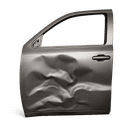
Can help pay to repair or replace your own truck after an accident, fire, theft, or vandalism.
Cargo Coverage
May pay for damage to or theft of the freight you are hauling while it is in your care.
Trailer Interchange
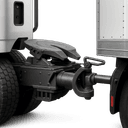
Can help cover damage to trailers you haul under an interchange agreement but do not own.
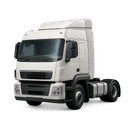
Bobtail Coverage
May provide liability protection when you drive your tractor without a trailer attached, such as after dropping off a load.

Non-Trucking Liability
Can help cover accidents that happen when you use your truck for personal errands rather than dispatched work.
Commercial Truck Insurance Cost in Missoula
Average Cost in Montana
$410 - $1,000
per month
Businesses in Montana typically see commercial truck insurance premiums of $410 - $1,000 per month, which tends to run 8% below the national range of $400 - $1,125 per month.
- Radius of operation
- Commodities hauled and cargo value
- Number and value of power units
- Driver motor vehicle records and CDL experience
- DOT safety record, inspections, and FMCSA scores
- Liability limits and physical damage deductibles
Contact CPK Insurance for a personalized quote.
Prices shown are general estimates, not guaranteed rates or quotes. Your actual premium will depend on the insurer, coverage selected, business details, location, claims history, and other underwriting factors. Learn about our pricing methodology.
For Montana trucking risks, commercial truck insurance is usually quoted per truck per month. The broader product range sits at about $400 to $1,125 per truck per month, with many Montana risks falling within a typical monthly premium band. That puts Montana close to the national average overall, with a premium index of 98 versus a baseline of 100, so you should expect rates here to run roughly on par with most other states. A truck running regular freight through Helena, Missoula, Great Falls, and across long rural stretches may be priced differently than a truck staying on shorter local routes because mileage, route exposure, and weather risk all influence underwriting.
Several factors are specifically tied to pricing here. Coverage limits, deductibles, claims history, location, industry risk profile, and policy endorsements all play a role. Montana's climate and loss environment can also affect the quote, since the state has very high wildfire risk, high winter storm exposure, and moderate flooding and earthquake risk. Carriers may factor in how often your trucks operate in severe weather or remote areas. Montana sees a fatal crash rate of 1.92 versus a national average of 1.33, which means carriers view Montana roads as riskier than most and may price accordingly.
The state has a strong carrier market with several major national insurers, including Farmers and Mountain West Farm Bureau. That competition can help you compare options, but it does not remove the need to match limits to your freight and contract requirements. If you need truck liability, cargo insurance, or physical damage coverage, the premium may shift based on how much protection you choose and how your operation is structured.
What Makes Missoula Different
Missoula's lower cost of living, dense small-business base, and real roadway risk all shape what you pay for coverage. That mix can make it tempting to trim coverage, but trucking operations here still face real collision and cargo decisions. The city logged 1,469 annual crashes, so insurers tend to scrutinize driver records and route patterns more closely when pricing your policy. Local hazards also extend beyond traffic. Wildfire risk, drought conditions, power shutoffs, and air quality events can all delay a load or idle a unit. A hauler serving varied commercial accounts may need a different balance of liability, cargo, and physical damage protection than a truck that only runs occasional short trips. The city's business mix creates steady trucking demand, but the operating environment still requires careful underwriting.
Our Recommendation for Missoula
Start by mapping the actual use of each truck, then request a quote that clearly separates each coverage type based on how you operate. Because the crash data shows meaningful collision risk and the top local threats include wildfire and air quality events, ask how the policy responds if a route is delayed, a load is damaged, or a unit is parked in an exposed area. If you serve varied commercial accounts, make sure your cargo limits reflect the value and handling requirements of those shipments. Compare deductibles carefully, since a lower monthly premium can shift more cost back to you after a loss. For small fleets, it helps to review driver records, dispatch patterns, and annual mileage before you bind coverage so the quote reflects how your trucks actually operate here.
Get Commercial Truck Insurance in Missoula
Enter your ZIP code to compare commercial truck insurance rates from carriers in Missoula, MT.
Business insurance starting at $25/mo
FAQ
Frequently Asked Questions
In Missoula, it can be built around several core protections depending on how your trucks are dispatched and what you haul. Your policy may include liability, physical damage, cargo, and trailer-related coverage tailored to your operation.
Missoula reported 1,469 annual crashes, meaning your MVRs and route logs will likely face closer scrutiny than they would in a quieter market.
Local freight often serves a mix of commercial accounts, so your cargo protection can be important if you move goods that are time-sensitive, valuable, or frequently handled.
Missoula's cost of living index is 79 and the median household income is $56,775. Those numbers signal lower fixed costs, which gives some operators room to invest in higher limits rather than cutting corners on protection.
Ask for a breakdown of **liability, cargo limits, physical damage deductibles, and any trailer or non-trucking exposure** so the quote matches your actual routes and freight.
In Montana, the policy can be built around motor carrier liability, physical damage, cargo coverage, trailer interchange, bobtail coverage, and non-trucking liability, depending on how you use the truck and trailer.
Montana commercial auto minimums are listed at $25,000/$50,000/$15,000, and the state is regulated by the state insurance commissioner, but your actual trucking limits may need to be higher because of freight contracts or federal trucking rules.
The typical range for the state is about $410 to $1,000 per month per truck, with price affected by limits, deductibles, claims history, location, industry risk, and endorsements.
Updated July 16, 2026





