Updated July 16, 2026

Dealer Open Lot Insurance in Missoula
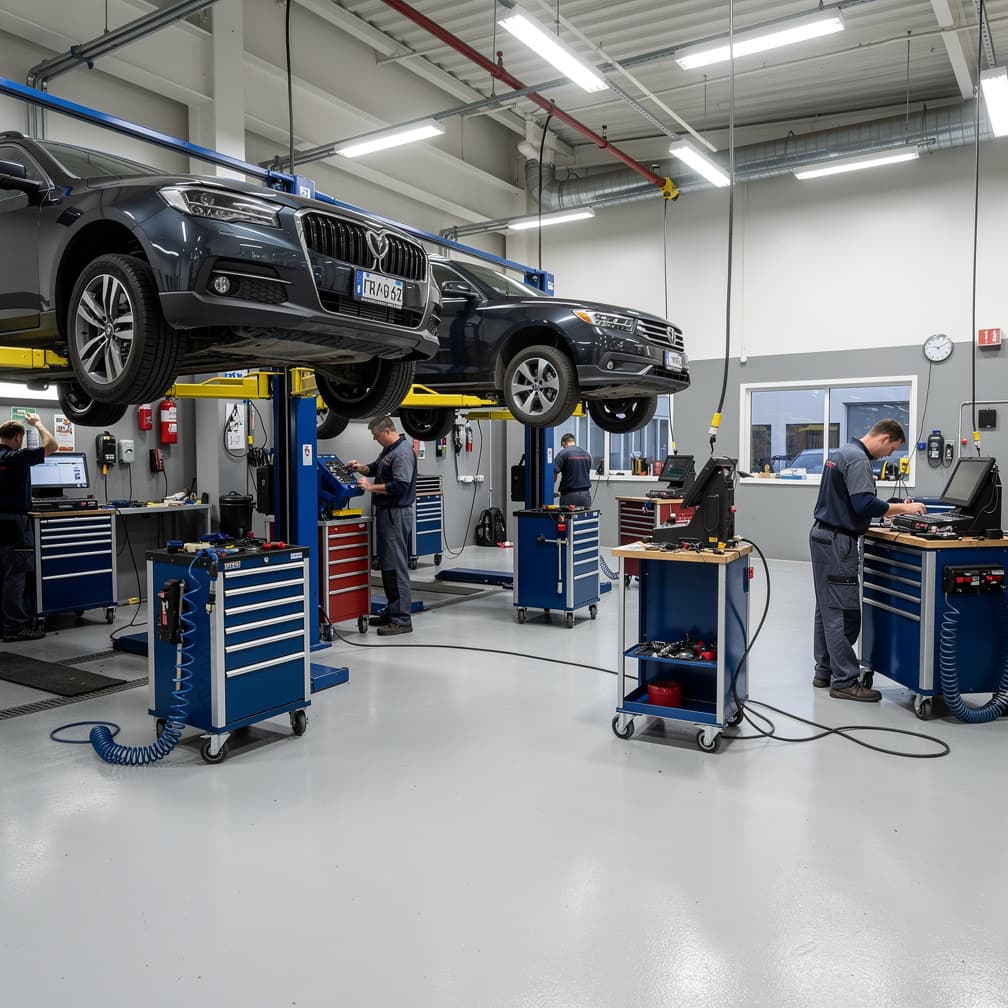
You may be stocking used pickups, SUVs, and commuter cars on a compact frontage lot. From there, you might shuttle units between a main display line, a reconditioning space, and an overflow area as inventory changes week to week. Customers often arrive with a trade, compare monthly payment options quickly, and expect to test drive the same day. Your coverage review needs to follow how vehicles are actually parked, moved, keyed, and shown. Dealer open lot insurance in Missoula should be built around those operating details, not just your unit count. If part of your inventory sits off the primary lot, if vehicles are staged tightly to maximize visibility, or if staff move units frequently for detailing and photos, those facts can change how you present the risk to an underwriter. Make sure the policy schedule, storage locations, and handling practices match the way your dealership actually runs before a loss exposes a gap.
Dealer Open Lot Insurance Risk Factors in Missoula
Local lot exposure is shaped less by a single city-only hazard than by how inventory is stored outdoors and rotated through multiple spaces. For a dealer here, that usually means reviewing where vehicles sit overnight, whether overflow storage is fenced and lit, how keys are controlled during business hours, and how often units are moved between display, service, and photo areas. Montana's broader weather and catastrophe issues still matter, but the city difference is operational density: smaller urban parcels can push dealers to park inventory closer together or use secondary storage more often. That raises the importance of **accurate location reporting**, clear lot diagrams, and a realistic maximum value on site during busy buying periods. If your inventory mix changes fast, ask for the policy to be reviewed against **peak lot values**, not just an average month.
Montana has a moderate climate risk rating. Top hazards: Wildfire (Very High), Winter Storm (High), Earthquake (Moderate), Flooding (Moderate). The state's expected annual loss from natural hazards is $280M, which influences dealer open lot insurance premiums and may affect coverage availability in high-risk areas.
What Dealer Open Lot Insurance Covers
A paved town lot with lighting, fencing, and daily staff presence presents one profile. A gravel overflow yard outside the main dealership, or a seasonal storage area used when inventory stacks up, presents another. If your operation uses more than one location, ask the agent to review each address separately so there is no confusion about where covered units are kept and whether temporary storage is contemplated by the policy terms.
Montana conditions also make weather wording worth a close read. Snow load, wind, hail, wildfire conditions, and smoke-related disruption can affect how inventory is stored, moved, and inspected after an event. Ask specifically how losses are adjusted when multiple vehicles are damaged in one occurrence and what documentation helps support values at the time of loss. A current inventory schedule, dated lot photos, and consistent reconditioning records can make that review cleaner.
Many Montana dealers shift units between lots, send vehicles to body shops or detail vendors, or stage inventory away from the main lot during busy periods. Those routine handling steps are where misunderstandings can start if your policy assumptions do not match your operations. Ask specifically about dealer plate use, employee movement of units, temporary off-premises storage, and test-drive procedures. If you sell trucks, trailers, powersports units, or mixed inventory, separate those categories before quoting so limits and terms can be reviewed against the way each group is stored and shown to buyers.
Coverage Included

Weather Damage
Covers hail, wind, flood, and storm damage to lot inventory.

Theft Protection
Covers vehicles stolen from your lot.
Fire Damage
Covers fire and explosion damage to inventory vehicles.

Vandalism
Covers intentional damage to vehicles on your lot.
Test Drive Coverage
Covers vehicles during customer and employee test drives.

Transit Coverage
Covers vehicles being moved between lot locations.
Industries & Insurance Needs in Missoula
Missoula County has 4,787 business establishments, so local dealers often sell into a buyer base that includes business owners, office professionals, contractors, and service firms that need practical transportation quickly. That matters because inventory can turn through a mix of work trucks, crossovers, and everyday commuter vehicles rather than a narrow specialty segment. The county's leading establishment shares are professional, scientific, and technical services at 13.1%, health care and social assistance at 12.8%, and construction at 12.3%, so your lot may need to carry vehicles that appeal to both jobsite use and daily commuting. For insurance, that means your reported inventory profile should stay current. If your stock has shifted toward higher-value pickups or work-ready units, ask for the carrier's view of peak values and concentration risk before renewal.
What Makes Missoula Different
Many dealers in this market operate on tighter in-town parcels where display pressure, visibility, and convenience can push inventory into compact parking patterns or secondary storage arrangements. That changes the insurance calculus because your policy is sensitive to where vehicles are actually kept and how much total value accumulates at one location at a given time. A dealership that looks modest from the street can still carry a meaningful concentration of value if units are packed closely, rotated often, or split between a sales lot and another nearby space. A local buyer should focus less on a generic dealership label and more on the practical map of the operation. Every storage address, overnight parking routine, key-control process, and peak inventory period matters. If any of those details have changed since your last application, update them before you rely on the policy.
Our Recommendation for Missoula
Start with a simple exposure worksheet before you talk to a provider. List each lot or overflow area, note whether vehicles are stored there overnight, estimate the highest total inventory value you expect at each location, and flag any seasonal spikes. Then review how units move through the business: trade-ins awaiting inspection, vehicles in reconditioning, cars staged for photos, and inventory temporarily parked off the main line. That operational picture gives an underwriter a cleaner view of the risk and can prevent a mismatch between the policy and your actual lot setup. Missoula's median household income is $65,329, which means many of your buyers may be payment-focused and compare value closely. For a dealer, that can translate to faster shifts in affordable inventory, so your peak lot values should be reviewed before renewal. Before binding, ask specifically how the policy treats newly acquired vehicles, offsite storage, and temporary concentration of value during busy sales periods.
Get Dealer Open Lot Insurance in Missoula
Enter your ZIP code to compare dealer open lot insurance rates from carriers in Missoula, MT.
Business insurance starting at $25/mo
FAQ
Frequently Asked Questions
Missoula dealers should assume every regular storage location needs to be disclosed if inventory sits there, especially overnight. If you use an overflow area for trades, reconditioning backlog, or seasonal volume, ask for that address and its maximum values to be reviewed.
Applications are stronger when they show how your lot actually operates: where vehicles are parked, how keys are controlled, whether units move between locations, and the highest total value on site during busy periods.
Missoula County has 4,787 business establishments, which can support demand from owners, employees, and contractors who need practical daily transportation. That is a reason to keep your reported inventory mix current if work trucks or commuter vehicles now make up more of the lot.
Missoula County's larger establishment groups include professional services, health care, and construction, at 13.1%, 12.8%, and 12.3%. That mix can support demand for both commuter vehicles and work-ready units, so your insurer should see the inventory profile you actually carry.
Montana dealers should disclose every place sale inventory is stored, including overflow and temporary yards. That gives the underwriter a fair picture of your exposure and reduces the chance that an off-premises loss turns into a coverage dispute.
Montana weather can change how underwriters view concentrated inventory loss, especially if vehicles sit outdoors across more than one location. Your quote is usually stronger when you show where units are parked, how they are spaced, and how you document conditions before storms.
Montana insurance is regulated by the Montana Commissioner of Securities and Insurance. That office reviews policy forms, handles consumer complaints, and oversees licensing for agents and carriers operating in the state. If you are comparing forms or have a policy complaint question, that is the state regulator tied to insurance oversight in Montana.
Montana dealers often can arrange coverage that may help cover vehicles at secondary storage locations, but the address and use need to be reviewed before binding. Do not assume a secondary yard, vendor location, or seasonal overflow area is automatically treated the same as the main lot.
Sources
- 1.U.S. Census Bureau, County Business Patterns, Missoula County(Missoula County has 4,787 business establishments.; Missoula County's leading establishment shares are professional, scientific, and technical services 13.1%, health care and social assistance 12.8%, and construction 12.3%.)
- 2.U.S. Census Bureau, ACS 5-Year Estimates, table B19013(Missoula's median household income is $65,329.)
Updated July 16, 2026