Updated July 16, 2026

Key Takeaways
- List every way customer vehicles enter, move through, and stay on your premises before you request a garage keepers quote.
- Compare collision losses against theft, fire, vandalism, and weather losses so your quote matches your actual custody exposure.
- Ask how customer vehicles are valued after a loss, especially if you handle newer, specialty, or recently upgraded vehicles.
- Review key control, intake photos, lot security, and employee driving rules before renewal to improve both pricing and claim defensibility.
- Request side-by-side quotes with the same limits, deductibles, and storage assumptions so you can spot real coverage differences.
Garage Keepers Insurance in Nebraska
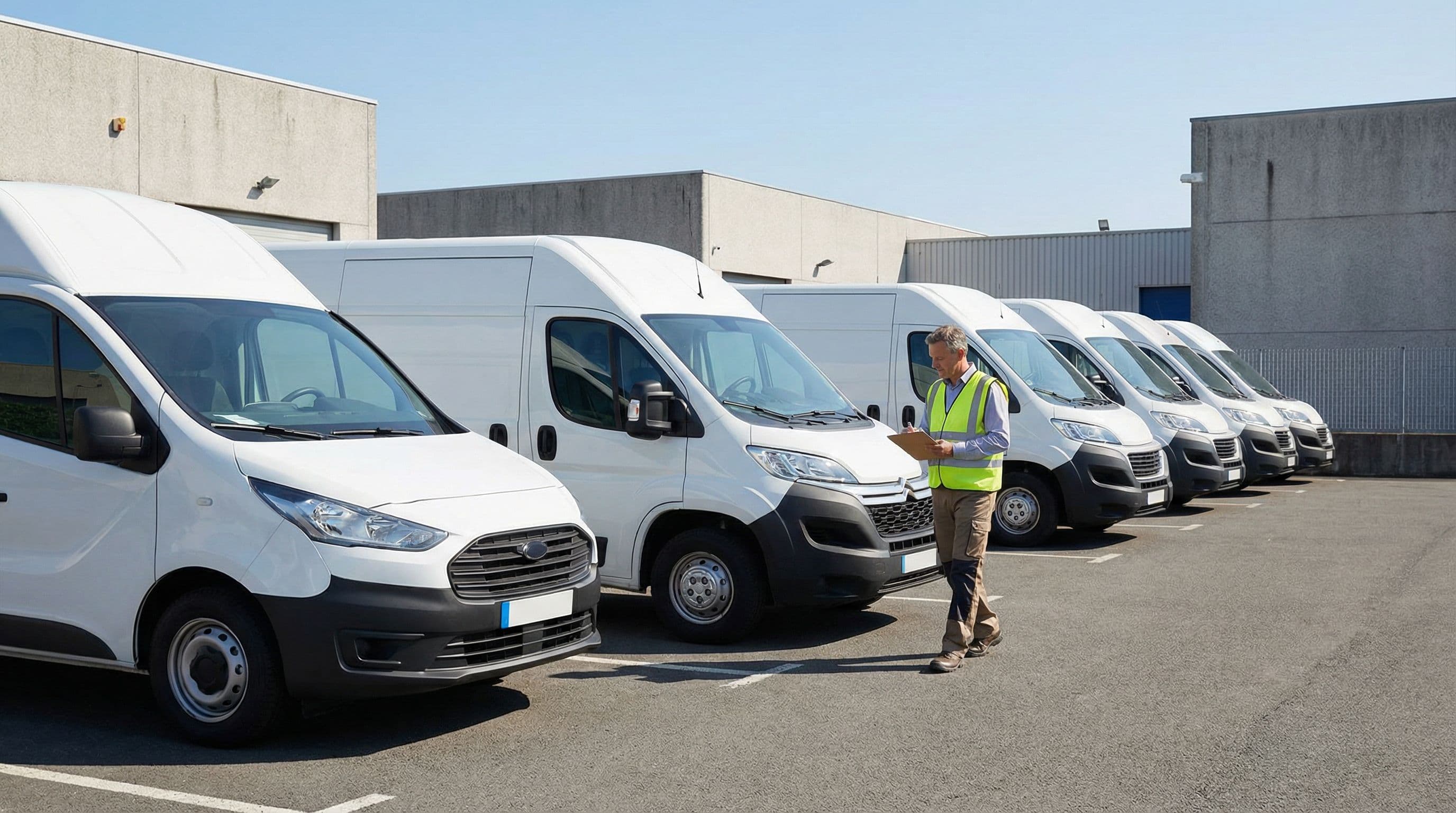
The real gap with this coverage is not whether a customer vehicle is on your premises. It is whether your policy setup may match how that vehicle is actually stored, moved, and left overnight. That matters because a single operation may handle pickups, farm trucks, SUVs, and work vans in the same week, sometimes inside the shop and sometimes lined up outside waiting on parts or pickup. If your estimate request only says you repair cars, an underwriter still needs the operational details that may change the exposure. Fenced or open storage, key control, after-hours drop boxes, employee road tests, tow-ins, and whether damaged vehicles sit on site for days may affect your terms. Buyers often find the real decision is not whether to carry the coverage, but how to match limits, deductibles, and coverage basis to the way vehicles move through the property. Consider starting there before renewal.
What Garage Keepers Insurance Covers
Garage keepers coverage can help protect customer vehicles while they are in your care, custody, or control for service, repair, storage, or towing. The loss scenarios your operation creates once a vehicle is checked in are what may shape the underwriting. A repair shop with a small fenced yard has a different exposure than a body shop that keeps vehicles for longer cycle times. Both differ from a dealer service lane that moves cars constantly between parking rows, bays, and pickup areas.
You may want to look closely at where vehicles sit during each stage of work. If units wait outside for parts, estimate approval, or pickup, ask how outdoor storage may affect the quote and whether your selected limits still make sense during busy weeks. If you keep keys on site, consider reviewing key security and who can move vehicles after hours. If employees road test vehicles, pull them into alignment racks, or reposition them with tow equipment, make sure those handling practices are described accurately in the application.
Weather can also change the practical exposure from one season to the next, so your policy review may focus on storage habits, not just your business type. A shop that usually parks vehicles outside may need a different conversation about deductibles and limits than one that keeps nearly everything indoors. If you work on heavier pickups, commercial vans, or specialty vehicles, consider telling the agent the top vehicle values you typically service at once. That is often where underinsurance may show up. A good review may end with a schedule of real operating facts: maximum vehicles in custody, indoor versus outdoor counts, who has access to keys, whether customers can leave vehicles after hours, and how long completed vehicles typically remain on site.

Collision Coverage
Covers damage to customers' vehicles from collisions while in your care.

Comprehensive Coverage
Covers theft, vandalism, fire, and weather damage to customers' vehicles.
Specified Perils
Covers only specifically named perils at a lower premium.

Legal Liability
Covers damage you or your employees directly cause to a customer's vehicle.

Direct Primary
Pays regardless of fault, the broadest garage keepers coverage available.
Garage Keepers Insurance Requirements in Nebraska
- Weather may change where customer vehicles are parked from one week to the next, so your quote may reflect any seasonal shift between indoor and outdoor storage.
- If your shop regularly handles farm pickups, contractor trucks, or service vans, consider telling the agent the top values and longest custody periods you actually see.
- An operation with after-hours drop-off may want to describe how vehicles and keys are secured before staff arrives, not just what happens during business hours.
- If completed vehicles often stay on your lot over a weekend, consider reviewing whether your selected limit still fits the total value left in your care.
How Much Does Garage Keepers Insurance Cost in Nebraska?
Garage keepers pricing usually turns on concentration of risk, meaning the total vehicle value that can accumulate on your premises at one time. The question is how much exposure may pile up during busy periods, and how predictable your handling controls look to an underwriter. If your lot fills up with customer vehicles waiting on parts, approvals, or pickup, your premium may move because the potential severity of one loss moves with it.
Consider starting your quote request with the factors that matter most. List the maximum number of customer vehicles you hold overnight, the highest-value units you regularly service, and whether they are stored inside, outside, or in a mixed setup. Then add the operational details that may change pricing: after-hours drop-off, road testing, towing, employee access to keys, fenced storage, camera coverage, and whether completed vehicles remain on site over weekends.
Deductible choice also matters. A higher deductible may reduce premium, but weigh it against the cash you would need if more than one customer vehicle is damaged in a single event. Limits matter the same way. If your selected limit only fits a normal weekday count, it may not fit a backlog week with larger trucks or multiple late pickups. Buyers may also expect underwriting questions about seasonality and property layout. If weather pushes more vehicles indoors at certain times of year, or if overflow parking shifts to an exterior area, consider saying so up front. The cleanest path to a usable quote may be a complete operational picture, because incomplete submissions often come back with more questions, delayed terms, or limits that do not match your real exposure.
Request a Quote Comparison
Enter your ZIP code to compare garage keepers insurance rates from top carriers.
Business insurance starting at $25/mo
Who Needs Garage Keepers Insurance?
This coverage may deserve attention anywhere customer vehicles stay with your business beyond a quick handoff. That includes independent repair shops, collision centers, service departments, tire and brake shops, diesel repair operations, detailers, car washes, towing companies, impound yards, and storage operations tied to repair work. If customers leave vehicles with you and expect them back in sound condition, the exposure may exist.
Some operations have a mixed book of personal and work-use vehicles, which may change the stakes. A family SUV may be expensive to repair, but a contractor pickup or service van can also create downtime pressure for the customer. If your shop regularly holds both, your quote may reflect the range of vehicle values and the fact that several units may be on site at once.
You may also consider this coverage if your business model creates longer custody periods. That can happen when parts delays keep vehicles parked for days, when body work extends cycle time, or when customers leave completed vehicles over a weekend. The longer a vehicle remains on your premises, the more important your storage controls, lot security, and limit selection may become. Even businesses that do not think of themselves as repair shops may need a review. If you move, park, store, or safeguard customer vehicles as part of another service, the exposure may still be there. The practical test is simple: if a customer asks where their vehicle will be kept tonight, and the answer is your property or under your control, you may want to request a garage keepers review built around that workflow.
Garage Keepers Insurance by City in Nebraska
Garage Keepers Insurance rates and coverage options can vary across Nebraska. Select your city below for localized information:
How to Buy Garage Keepers Insurance
Buying this coverage may start with a site-level walkthrough, not a generic application. Before you request quotes, consider mapping where customer vehicles enter, where they wait, who moves them, where keys are stored, and what happens after closing. Underwriters may need that sequence because the exposure changes between a locked indoor bay, an open side lot, and a fenced overnight area.
Consider building your submission around your actual operation. Include the types of vehicles you handle most often, the top values you typically service at once, your maximum overnight count, and whether storage shifts during busy periods or severe weather. If you accept after-hours drop-offs, consider explaining how vehicles are secured before staff arrives. If employees road test vehicles or use tow equipment to reposition disabled units, include that too.
You may also want to ask direct policy-structure questions. Review the coverage basis offered, the limit available for your peak vehicle count, the deductible options, and any conditions tied to indoor versus outdoor storage. If your business has more than one building or lot area, make sure each location and use pattern is described clearly. A vague submission may produce terms that look acceptable until a claim tests them. Buyers may want to confirm who is named on the policy, how claims are reported, and what documentation may help support a loss. Consider keeping photos of the lot layout, written key-control procedures, and check-in records for customer vehicles. Those details may help you buy with fewer surprises. Before binding, consider comparing the quote against your busiest week, not your quietest one. Request a quote through CPK Insurance to compare your options with participating licensed providers.
How to Save on Garage Keepers Insurance
The most effective way to lower garage keepers cost may be to reduce avoidable uncertainty in how customer vehicles are stored and moved. Carriers generally may respond better to a shop that can document its controls than to one that simply says vehicles are handled carefully. If you want a sharper quote, consider making your operation easier to understand and easier to defend after a loss.
Consider starting with vehicle concentration. If you can keep fewer customer vehicles on site overnight, or move completed units off the lot faster, you may reduce the severity profile that drives pricing. Next, consider tightening key control. Limit who can access keys, document where they are kept, and avoid informal handoffs between employees. Then review parking patterns. Separating waiting-for-parts vehicles from ready-for-pickup vehicles may make the lot easier to manage and reduce unnecessary movement.
Physical controls also matter. If outdoor storage is part of your operation, consider documenting fencing, lighting, cameras, gate procedures, and how vehicles are positioned after hours. If severe weather changes where vehicles are parked, consider using a written plan so staff handles overflow the same way every time. Consistency may help underwriting. You can also save by choosing limits and deductibles deliberately instead of defaulting to the renewal setup. A deductible that is too low may raise premium without helping your balance sheet much, while a limit that is too low can leave you exposed during a backlog week. Consider asking for options and comparing them against your real vehicle count and values. The goal may not be the lowest number on a quote. It may be a policy structure you can carry confidently through a bad loss.
Our Recommendation for Nebraska
Buyers may want to treat this as an operations review first and an insurance purchase second. The state regulator is the Nebraska Department of Insurance, so if you are comparing forms, endorsements, or complaint-handling expectations, consider keeping your records organized and reviewing policy documents carefully before binding.
My practical recommendation is to consider quoting this coverage using your peak custody scenario, not your average day. Count the most customer vehicles you are likely to hold overnight, identify the highest-value units you regularly service, and note where each one would be parked if weather forces a change in storage. That may give you a better test for limits than a normal midweek snapshot.
Next, consider asking your agent to walk through the details that often get glossed over: indoor versus outdoor storage, after-hours drop-off, road testing, tow-ins, key security, and how long completed vehicles remain on site. If any of those answers changed since your last renewal, your old setup may no longer fit. Finally, consider keeping a written intake and lot-control process. Consistent check-in photos, key logs, and parking procedures may help you buy more accurately and support a cleaner claim file later. Consider bringing those procedures into the quote conversation instead of waiting until after a loss.
FAQ
Frequently Asked Questions
Small repair shops may still want to review it if customer vehicles stay on site after check-in or overnight. Shop size may matter less than custody patterns, storage setup, and how many customer vehicles you may hold at one time.
Shops may usually get closer to the right limit by counting their peak overnight vehicle load, then checking the highest-value cars, trucks, or vans they regularly hold. A quiet-day estimate may leave a gap during backlog weeks.
Outdoor storage may affect underwriting because the exposure changes when customer vehicles sit outside waiting on parts, approval, or pickup. Consider asking for the quote to reflect where vehicles are actually parked during normal and overflow conditions.
Body shops may often need a closer review when vehicles remain on site for longer repair cycles. Longer custody periods can change how you think about limits, deductibles, lot security, and completed vehicles waiting for pickup.
Insurance questions may generally fall under the Nebraska Department of Insurance. If you are comparing policy terms or handling a dispute, consider keeping your quote records, endorsements, and correspondence together so you can review the details clearly.
Quote requests may go more smoothly when you provide maximum vehicles in custody, highest vehicle values, indoor versus outdoor storage details, after-hours drop-off procedures, key control, and whether employees road test or tow customer vehicles.
Towing and impound operations may usually need the quote built around yard storage, vehicle movement, key handling, and how long units remain in custody. Those operational details may often matter more than the business label itself.
Garage keepers insurance may cover damage to customers' vehicles while they are in your care, custody, or control. That may include collision, theft, fire, vandalism, hail, and other covered causes of loss, depending on your policy terms and how your business handles vehicles.
Sources
- 1.Nebraska Department of Insurance(The state regulator is the Nebraska Department of Insurance.)
Updated July 16, 2026