Updated July 5, 2026

Car Insurance in Lincoln
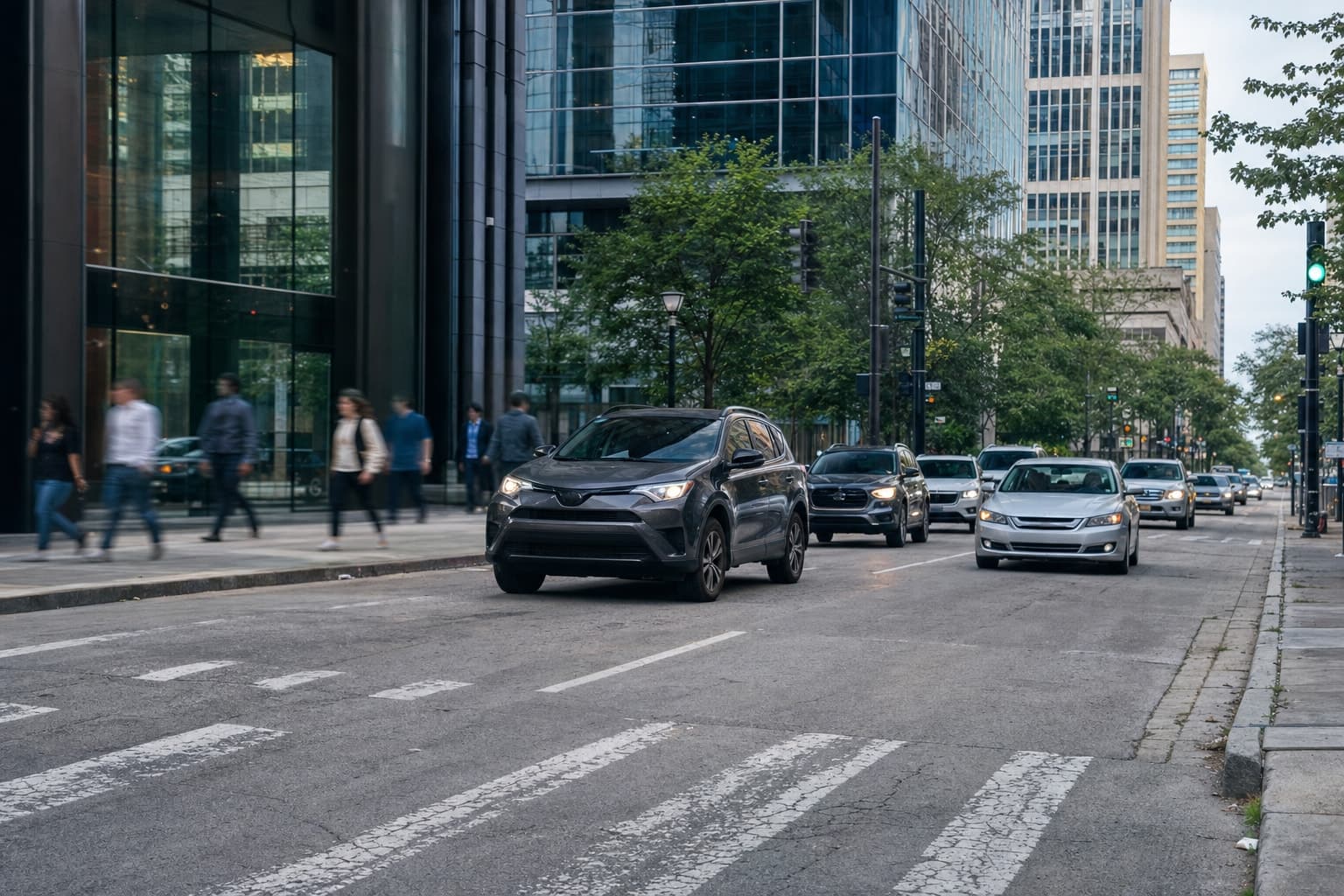
Commuting concentration is the sharpest difference here: a car insurance in Lincoln quote often turns on how regularly you drive the same arterial routes, campus edges, and business districts rather than on long rural mileage alone. That matters because this is not just a government and university town. Lancaster County supports 8,929 business establishments, so weekday traffic includes service vans, contractor pickups, delivery vehicles, employee commuters, and customer parking-lot movement across a dense local street network. If your routine includes downtown garages, school drop offs, short errand chains, or daily cross-town trips, ask for a quote that matches how your car is actually used, where it is parked, and who drives it during the week. A household with one garaged vehicle used mostly for errands can rate differently from a two-driver home with daily commuting, occasional business use, and street parking near busier corridors. Before you buy, line up your annual mileage estimate, garaging address, driver list, and any rideshare or business-use details so the quote is built on the exposure you really have.
Nebraska has a high climate risk rating. Top hazards: Tornado (Very High), Hailstorm (Very High), Severe Storm (High), Flooding (Moderate). The state's expected annual loss from natural hazards is $1.2B, which influences car insurance premiums and may affect coverage availability in high-risk areas.
What Car Insurance Covers
Car insurance in Nebraska usually starts with liability, which may help cover injuries and other covered losses you cause to others. The state's commercial auto minimums sit at split limits for businesses, while personal drivers should verify their own policy needs with the Nebraska Department of Insurance. Many drivers add collision coverage for crashes on icy roads, on I-80, or in city traffic around Lincoln and Omaha. Comprehensive coverage may help with non-collision losses tied to weather and theft.
That matters here because Nebraska has seen repeated major storm declarations in recent years, and hail damage in particular can total a vehicle parked outside. Uninsured motorist coverage is especially relevant given that roughly one in fifteen Nebraska drivers carries no coverage, so a policy may be more useful for local drivers than the national average alone would suggest. Medical payments coverage may help with covered medical expenses after an auto accident, which is important when crash severity is higher on rural routes or during winter weather. Rental reimbursement may help keep you mobile while a covered claim is being repaired, which can matter if your vehicle is out of service after hail damage or a collision.
Endorsements and optional protections may vary by carrier, so the right policy depends on your vehicle use, commute, and local driving conditions rather than a one-size-fits-all approach.
Coverage Included

Liability
Can help pay for injuries and property damage you cause to others in an accident, coverage most states require drivers to carry.

Collision
Can help pay to repair or replace your car after a crash with another vehicle or object, regardless of fault.

Comprehensive
Typically covers damage to your car from events other than collisions, such as theft, hail, fire, flooding, or hitting an animal.

Uninsured Motorist
May pay for your injuries and, in some states, car damage when an at-fault driver has no insurance or too little.

Medical Payments
Can help cover medical bills for you and your passengers after an accident, no matter who was at fault.
Rental Reimbursement
May pay for a rental car while your vehicle is in the shop for repairs after a covered claim.
Car Insurance Cost in Lincoln
Average Cost in Nebraska
$75 - $200
per month
In Nebraska, car insurance premiums typically run $75 - $200 per month, which tends to run 19% below the national range of $110 - $230 per month.
- Driving record and age
- Vehicle make, model, and year
- Location and commute distance
- Credit-based insurance score
- Coverage limits and deductibles
Contact CPK Insurance for a personalized quote.
Prices shown are general estimates, not guaranteed rates or quotes. Your actual premium will depend on the insurer, coverage selected, personal details, location, claims history, and other underwriting factors. Learn about our pricing methodology.
The average premium range for car insurance in Nebraska runs from $75 to $200 per month, which is slightly below the national average because the state's premium index sits at 88 out of 100. On this scale, 100 marks the most expensive states, so a score of 88 puts Nebraska about 12% below national levels. Your cost will vary based on your driving record, vehicle, location, and coverage choices.
Drivers in Lincoln, Omaha, and other higher-traffic areas may see different pricing than rural drivers. Nebraska's severe weather profile can also affect rates when carriers price for storm exposure. The state's 38,000 crashes in 2023 work out to over 100 per day, which is one reason a single at-fault accident can exceed what most drivers keep in savings.
Uninsured motorist coverage may also affect price because roughly one in fifteen drivers carries no coverage. Nebraska has many active insurance companies competing statewide, which gives shoppers room to weigh options rather than accepting the first offer.
Industries & Insurance Needs in Lincoln
Work-vehicle patterns are a real local factor because the county economy is spread across customer-facing and field-service businesses. In Lancaster County, the leading sectors by establishment share are health care and social assistance at 12.9%, construction at 12.6%, and other services except public administration at 11.3%. So a lot of drivers are not simply commuting and parking all day. They may be moving between job sites, visiting clients, carrying tools, or using a personal vehicle for appointments and service calls. If that sounds like your week, do not assume a personal auto policy quote captures the exposure correctly. Tell the agent if you transport equipment, make regular work stops, or have an employer-owned vehicle in the household. Even for a personal policy, usage classification, mileage, and garaging details can affect how the quote is built. The more accurately you describe your work routine, the easier it is to compare coverage that fits.
What Affects Car Insurance Rates in Lincoln
Household budgeting changes the buying conversation here. Lincoln median household income is $69,991, so many drivers are balancing premium cost against deductibles, rental reimbursement, and whether they can absorb an out-of-pocket repair after a claim. That does not mean buying the lowest limit you can find. It means stress-testing the quote. Ask what happens to the premium if you change deductibles, remove low-value add-ons, or raise liability limits while keeping collision and comprehensive aligned with the vehicle's value. If your household depends on one car to get to work, school, or appointments, a slightly different coverage mix may matter more than a small monthly savings. Review whether you could comfortably pay your chosen deductible from savings, and whether a temporary replacement vehicle would be necessary after a covered loss. That is usually the practical way to compare options here, not just looking at the first price shown.
What Makes Lincoln Different
Commuting density is what changes the calculus here. In many parts of Nebraska, buyers focus first on distance driven and weather exposure. Here, the more useful question is how often your vehicle is in repeated weekday traffic, shared parking areas, and short-trip circulation around offices, schools, medical facilities, and retail corridors. That pattern can change how you think about deductibles, rental reimbursement, and whether every household driver should be listed exactly as they use the car. It also makes small details more important at quote time: overnight parking, who takes the vehicle to work, whether a teen driver uses it for school and activities, and whether the car ever shifts from personal errands to work-related stops. If your routine changes during the year, update the policy instead of waiting for renewal. A quote built for occasional use can miss the mark if the car becomes a daily commuter or starts supporting side work.
Our Recommendation for Lincoln
Start with your actual weekly driving pattern, not a generic profile. If you drive mostly short local trips, estimate mileage carefully instead of guessing high. If you commute daily, park outside, or share the car between multiple drivers, make sure each of those details is disclosed up front. Review liability limits with your household assets and income in mind, then test deductible options you could realistically pay without borrowing. If your vehicle supports work errands, client visits, or tool transport, ask whether your use stays within personal-policy rules or needs a different solution. For households with a student driver or a second car that sits more often, compare each vehicle's coverage separately rather than mirroring the same settings across both. Finally, ask the agent to walk through exclusions, rental reimbursement, and claim reporting steps before you bind coverage. That conversation usually reveals whether the quote is merely cheap on paper or actually usable after a loss.
Get Car Insurance in Lincoln
Enter your ZIP code to compare car insurance rates from carriers in Lincoln, NE.
Car insurance starting at $59/mo
FAQ
Frequently Asked Questions
Lincoln drivers often see the biggest quote differences from use pattern, mileage, parking, and driver mix. If your car handles daily commuting, school drop offs, and errands on the same week, disclose that routine clearly so the policy matches actual use.
Lincoln households should compare the deductible against what they could pay from savings after a covered loss. With median household income at $69,991, the practical question is whether a lower premium today creates an out-of-pocket strain later.
Lancaster County has 8,929 business establishments, so many local drivers use personal vehicles for appointments, job-site visits, or service calls. If that describes your routine, tell the agent before binding so the usage classification is reviewed correctly.
Lincoln drivers in construction or service work should not assume occasional tool transport is irrelevant. Lancaster County's business mix includes construction at 12.6%, so work-related use is common enough that your driving pattern and cargo habits should be discussed.
Lincoln drivers working in care-related roles often make repeated local trips rather than one simple commute. In Lancaster County, health care and social assistance accounts for 12.9% of establishments, so it is worth reviewing mileage, parking, and work-stop frequency.
For local commuters, liability coverage may help cover injuries or losses you cause to others, while collision coverage may help with accident-related repairs to your own car. In busier cities like Lincoln and Omaha, traffic volume and stop-and-go driving can make those coverages more relevant than a basic minimum-only approach.
Nebraska is regulated by the Nebraska Department of Insurance, and commercial auto minimums are listed at split limits for bodily injury and property damage. Personal drivers should confirm the current minimum liability limits with the state and weigh options that fit their situation.
Comprehensive coverage is often important to review because the state's climate risk profile shows very high tornado and hail exposure. If your vehicle is parked outside or you live in a storm-prone area, that coverage may be a useful part of your policy design.
Sources
- 1.U.S. Census Bureau, County Business Patterns, Lancaster County(Lancaster County supports 8,929 business establishments, so weekday traffic includes service vans, contractor pickups, delivery vehicles, employee commuters, and customer parking-lot movement across a dense local street network.; In Lancaster County, the leading sectors by establishment share are health care and social assistance at 12.9%, construction at 12.6%, and other services except public administration at 11.3%.)
- 2.U.S. Census Bureau, ACS 5-Year Estimates, table B19013(Lincoln median household income is $69,991, so many drivers are balancing premium cost against deductibles, rental reimbursement, and whether they can absorb an out-of-pocket repair after a claim.)
Updated July 5, 2026