







































Updated July 16, 2026

Commercial Truck Insurance in Lincoln
A service truck slides through a wet turn after leaving a medical office delivery. A dump truck backs into a tight jobsite entrance near an active remodel. Those are the kinds of losses commercial truck insurance in Lincoln needs to be built around: short urban runs, frequent stops, tight-spot maneuvering, and vehicles moving between clinics, contractors, and service calls instead of staying on one long highway route all day. Lancaster County has 8,929 business establishments, which means your drivers are sharing limited parking and loading space with thousands of other local businesses every day. The county mix also matters. Health care and social assistance accounts for 12.9% of establishments, construction 12.6%, and other services 11.3%, so a large share of local commercial traffic involves vans, pickups, flatbeds, and light to medium units doing appointment-based and jobsite-based work.
Commercial Truck Insurance Risk Factors in Lincoln
Local risk here is about repetition and proximity. A truck that makes multiple stops in one day around clinics, offices, homes, and active construction sites creates more chances for backing damage, side-swipe claims, and incidents involving tools or materials left in the vehicle between calls. Lancaster County's business base is broad, with 8,929 establishments, so your routes often involve tighter parking lots, shared delivery zones, and customer property exposures rather than simple dock-to-dock freight movement. The county's leading sectors reinforce that pattern: health care and social assistance at 12.9%, construction at 12.6%, and other services at 11.3%. That mix usually means more service bodies, pickups, vans, and contractor trucks circulating through neighborhoods and commercial corridors on short schedules. Ask for a quote that separates liability, **physical damage**, hired and non-owned auto if needed, and any equipment or cargo-related exposure tied to how your crew actually loads, parks, and works.
Nebraska has a high climate risk rating. Top hazards: Tornado (Very High), Hailstorm (Very High), Severe Storm (High), Flooding (Moderate). The state's expected annual loss from natural hazards is $1.2B, which influences commercial truck insurance premiums and may affect coverage availability in high-risk areas.
What Commercial Truck Insurance Covers
Commercial truck insurance in Nebraska may help cover the truck, the driver, and the freight you haul, but the exact mix depends on whether you run a motor carrier, an owner-operator, or a small fleet. Core options include motor carrier liability for third-party claims, physical damage for the unit itself, cargo coverage for freight in transit, trailer interchange for non-owned trailers, and bobtail or non-trucking liability for off-dispatch situations. Nebraska's commercial auto minimums are $25,000/$50,000/$25,000, but trucking operations often need more because freight contracts, brokers, and shipper requirements can exceed that baseline. Federal freight-hauling minimums also matter for interstate trucking, and hazardous-material loads may require higher liability limits than standard freight.
Physical damage may help with collision or other covered damage to the unit itself, while cargo coverage may help cover the freight being transported. Trailer interchange is important if you use trailers you do not own but control through a trailer agreement. Bobtail coverage and non-trucking liability are different protections for when the truck is driven without a trailer or outside dispatch, and the right choice depends on your dispatch arrangement and lease setup. Because Nebraska has severe-storm and tornado exposure, many operators review deductibles and physical damage limits carefully so a weather event does not leave a large gap in repair funding.
Coverage Included

Motor Carrier Liability
Can help cover injuries and property damage your truck causes to others, a coverage federal regulators require most for-hire carriers to maintain.
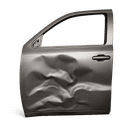
Physical Damage
Can help pay to repair or replace your own truck after an accident, fire, theft, or vandalism.
Cargo Coverage
May pay for damage to or theft of the freight you are hauling while it is in your care.
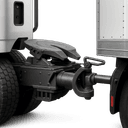
Trailer Interchange
Can help cover damage to trailers you haul under an interchange agreement but do not own.

Bobtail Coverage
May provide liability protection when you drive your tractor without a trailer attached, such as after dropping off a load.

Non-Trucking Liability
Can help cover accidents that happen when you use your truck for personal errands rather than dispatched work.
Commercial Truck Insurance Cost in Lincoln
Average Cost in Nebraska
$420 - $1,200
per month
Businesses in Nebraska typically see commercial truck insurance premiums of $420 - $1,200 per month, which tends to run 6% above the national range of $400 - $1,125 per month.
- Radius of operation
- Commodities hauled and cargo value
- Number and value of power units
- Driver motor vehicle records and CDL experience
- DOT safety record, inspections, and FMCSA scores
- Liability limits and physical damage deductibles
Contact CPK Insurance for a personalized quote.
Prices shown are general estimates, not guaranteed rates or quotes. Your actual premium will depend on the insurer, coverage selected, business details, location, claims history, and other underwriting factors. Learn about our pricing methodology.
Premiums in Nebraska often fall below the national average, but that does not mean every quote is low. Your final price can move up or down based on coverage limits and deductibles, claims history, location, industry or risk profile, and policy endorsements. A truck running through tornado-prone areas or hauling higher-value freight may be rated differently than a local delivery unit with simpler exposure.
Nebraska's weather profile is a major pricing factor, with severe wind and hail events both rated very high and severe storms rated high. Recent events like the 2024 tornado outbreak and the 2023 derecho may factor into how carriers view physical damage risk for tractors, trailers, and equipment. Ask whether your policy includes comprehensive coverage for weather-related damage and what deductible would apply to a hail or wind claim. Route exposure also matters, since a long-haul truck crossing the state line on I-80 may have different pricing pressure than a local box truck operating in Lincoln or Omaha. The market is competitive, with a broad field of insurers writing in the state, so a quote should be reviewed across several carriers rather than taken from a single estimate.
What Makes Lincoln Different
In a market shaped by medical offices, contractors, and local service businesses, many commercial vehicles are not running one predictable linehaul pattern. Instead, they cycle through multiple addresses, back into alleys or lots, carry tools or materials, and spend extended time exposed at customer premises. Lancaster County's sector mix supports that reading: health care and social assistance holds 12.9% of establishments, construction 12.6%, and other services 11.3%. What matters is not just how heavy the truck is or how far it travels, but how often it stops, who drives it, where it parks between calls, and whether the vehicle doubles as a mobile workspace. If your operation looks more like route service or contractor dispatch than long-haul freight, it may be worth reviewing symbol selection, physical damage deductibles, uninsured motorist options, and any gap between vehicle coverage and the property your crew carries inside it.
Our Recommendation for Lincoln
Start your review with how each truck actually spends its day, not just the vehicle list. If your trucks spend most of the week moving between appointments, jobsites, and supply pickups, tell the agent how many stops a driver makes, whether units are parked at a home or yard overnight, and who is allowed behind the wheel. That detail often matters more than a generic description like contractor or delivery business. A pickup towing equipment, a van carrying tools, and a flatbed hauling materials can create different claim patterns even if they share one business name. If you use personal vehicles for errands or dispatch employees to pick up parts, review whether hired and non-owned auto belongs in the quote. Gather driver information, VINs, garaging details, and a clear description of each truck's use before requesting a free quote.
Get Commercial Truck Insurance in Lincoln
Enter your ZIP code to compare commercial truck insurance rates from carriers in Lincoln, NE.
Business insurance starting at $25/mo
FAQ
Frequently Asked Questions
Lincoln fleets often make repeated stops at customer locations, jobsites, and parking lots, which changes the claim pattern. That usually means you should review tight-spot maneuvering risks, driver use, garaging, and whether tools or materials in the vehicle need separate protection.
Lancaster County has 8,929 business establishments, and that concentration puts many trucks in busy customer properties and shared access points. That makes it smart to quote the policy around actual stop frequency, parking conditions, and who uses each vehicle.
Lincoln contractor fleets should describe each unit by job, not just by make or weight. If a truck tows equipment, carries materials, or moves between several jobs in one day, that can change the coverages worth reviewing.
Lancaster County's economy leans heavily on health care, construction, and other services, so much of the demand is for vans, pickups, and service trucks used for local appointments, deliveries, and jobsite work.
Lincoln household income can help you plan what you spend, but it does not set your premium. If premium fit matters, ask to compare deductibles, vehicle schedules, and optional coverages instead of cutting core liability first.
In Nebraska, the policy can be built around motor carrier liability, physical damage, cargo coverage, trailer interchange, bobtail coverage, and non-trucking liability insurance. The right mix depends on whether you run long haul, regional delivery, or local hauling through places like Lincoln, Omaha, or along I-80.
Nebraska's commercial auto minimums are $25,000 per person, $50,000 per accident, and $25,000 for property damage, and the Nebraska Department of Insurance oversees the market. If you haul freight across state lines, federal liability requirements and shipper or broker demands may also affect the limits you need.
Cost depends on coverage limits, deductibles, claims history, location, industry risk, and endorsements. A truck with broader protection or heavier exposure may be rated differently than one with simpler operations.
Sources
- 1.U.S. Census Bureau, County Business Patterns, Lancaster County(Lancaster County has 8,929 business establishments, so your drivers are often working around dense customer locations, vendor parking lots, and loading areas where minor impacts can turn into expensive claims and delayed jobs.; Health care and social assistance accounts for 12.9% of establishments, construction 12.6%, and other services 11.3%, which points to steady demand for vans, pickups, flatbeds, and light to medium commercial units serving appointment-based and jobsite-based work.)
- 2.Nebraska Department of Insurance(If you want a regulatory source while comparing forms, the Nebraska Department of Insurance is the state regulator.)
- 3.U.S. Census Bureau, ACS 5-Year Estimates, table B19013(Lincoln household income is more useful as a budgeting signal than a rating rule.)
Updated July 16, 2026





