







































Updated July 16, 2026

Inland Marine Insurance in Lincoln
Buying inland marine insurance in Lincoln means looking past a fixed office address and focusing on where your property actually travels. For a business that loads tools into a truck near downtown, drops equipment at a customer site, or leaves materials in temporary storage between projects, your policy can be the part that follows the property instead of the building. The city's crime index of 107 sits above the national baseline, which means gear left in a truck bed is more likely to be targeted here than in many other cities. Add frequent vehicle crashes and weather-related driving conditions, and the route between your shop, job site, and storage location becomes part of the risk picture. If your work involves moving tools, materials, or customer property across neighborhoods, the question is not just what you own but when and where it is exposed.
Inland Marine Insurance Risk Factors in Lincoln
Lincoln’s main risk drivers for this coverage are **theft exposure, transit exposure, and weather-related handling losses**. The city’s overall crime index is 107, with property crime at 2,805.7 and burglary at 167, so tools, equipment, and other mobile property can face added risk when left in vehicles, trailers, or temporary storage. On the transit side, Lincoln recorded 7,608 annual crashes in 2023, and weather conditions were a top cause of crashes, which makes route planning and secure loading part of the inland marine conversation. For businesses that move contractors equipment insurance in Lincoln or goods in transit coverage in Lincoln, that means the trip itself can be as important as the job site. Lincoln also has a 13% flood zone percentage, so temporary storage choices may matter when materials or equipment are staged away from the main premises. These local factors do not change the policy form, but they do change how carefully you should match limits, deductibles, and storage practices to the way your business actually works.
Nebraska has a high climate risk rating. Top hazards: Tornado (Very High), Hailstorm (Very High), Severe Storm (High), Flooding (Moderate). The state's expected annual loss from natural hazards is $1.2B, which influences inland marine insurance premiums and may affect coverage availability in high-risk areas.
What Inland Marine Insurance Covers
In Nebraska, this policy can help cover business property that is mobile, in transit, or temporarily away from your main premises. The core coverages include tools and equipment, goods in transit, contractors equipment, installation floater, and builders risk. If your property is at a job site in Lincoln, being moved between counties, or stored temporarily after a storm delay, the policy can be written to follow that property instead of stopping at your fixed location.
Nebraska does not create a special statewide mandate for this coverage, but your specific trade and daily operations shape your coverage needs, and the Nebraska Department of Insurance regulates the market. That means the policy wording, endorsements, limits, and deductibles matter more than a one-size-fits-all assumption. A standard commercial property policy usually focuses on a fixed business address, while inland marine is built for movement, temporary locations, and offsite exposure.
The policy is commonly used for theft, damage, vandalism, and other covered perils while property is away from the primary location, but exact exclusions and extensions vary by carrier and endorsement. In a state with high tornado and hail exposure, it is smart to ask whether your policy treats job-site storage, transit between counties, and temporary storage the way you expect before a loss occurs.
Coverage Included
Tools & Equipment
Can help repair or replace hand tools, power tools, and gear that are stolen or damaged on the job or in transit.

Goods in Transit
May cover products, materials, and merchandise while they are being shipped or hauled between locations in your care.
Contractors Equipment
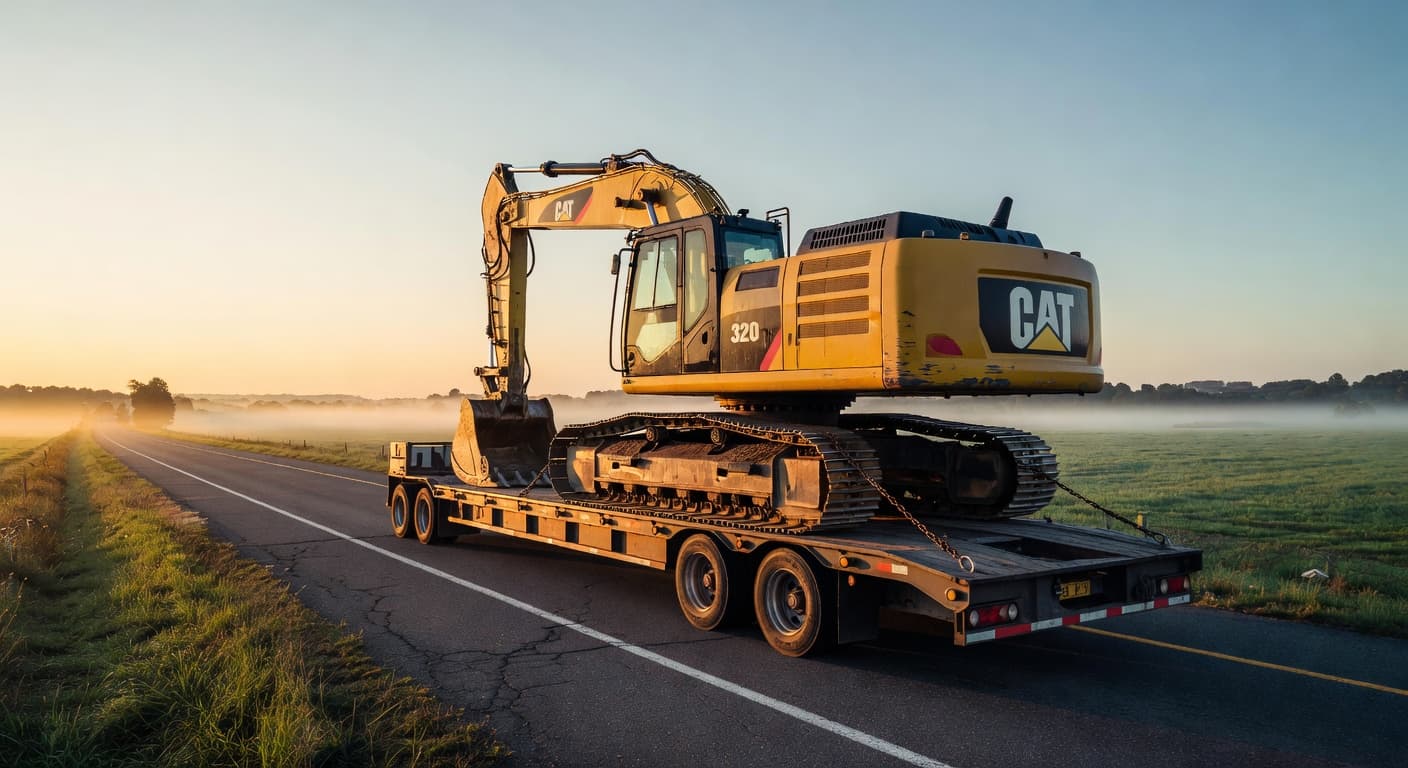
Typically covers heavy machinery like excavators, loaders, and generators against theft or damage at job sites and between them.

Installation Floater
Can help cover materials and fixtures from the moment you buy them until they are installed and accepted at a project.

Builders Risk
May cover a structure under construction, along with materials on site, against damage from fire, wind, theft, and vandalism.
Inland Marine Insurance Cost in Lincoln
Average Cost in Nebraska
$20 - $100
per month
Businesses in Nebraska typically see inland marine insurance premiums of $20 - $100 per month, which tends to run close to the national range of $20 - $100 per month.
- Total insured value of the scheduled property
- Type and age of the equipment
- Where it is stored and how far it travels
- Jobsite security and theft prevention
- Per-item limits and deductibles
- Prior theft and in-transit losses
Contact CPK Insurance for a personalized quote.
Prices shown are general estimates, not guaranteed rates or quotes. Your actual premium will depend on the insurer, coverage selected, business details, location, claims history, and other underwriting factors. Learn about our pricing methodology.
The average cost in Nebraska starts at $20 to $100 per month, which sits below the national average overall and means many owners may find room in their budget for meaningful protection. Nebraska's premium index also suggests premiums may run below what businesses pay in some other states, meaning your baseline rate may be lower before other factors are applied.
Nebraska's risk profile can push pricing in different directions depending on where and how your property is used. Tornado risk is very high, hailstorm risk is very high, and severe storm risk is high, so property that sits outdoors, moves frequently, or stays at job sites may face a different rate than property kept in protected storage. Recent disaster history also matters, with a history of disaster declarations including a 2024 tornado outbreak and 2023 severe storms and flooding, meaning carriers may view exposed property as a higher risk. Those conditions can influence how carriers view tools, contractors equipment, and builders risk coverage.
Carrier competition can help keep pricing more flexible because Nebraska has a broad market of active insurers. Since your specific trade and daily operations shape your coverage needs, two companies in the same city may still get different pricing based on how much property they move, whether it is stored in temporary locations, and what endorsements they add.
What Makes Lincoln Different
A tool case left in a truck, a pallet moved between locations, or equipment staged in temporary storage all face different risks than items locked inside a fixed warehouse. The local property crime rate of roughly 2,805 incidents per 100,000 residents runs well above the national average, and that volume translates into insurers asking more questions about how you secure gear before quoting a price. Transit controls matter just as much, since the drive across town carries its own exposure. For your policy, the key question is not simply whether the item is valuable but whether your business can document, secure, and track it while moving through the city.
Our Recommendation for Lincoln
Start by mapping every place your property sits in a normal week. Include your shop, truck, trailer, customer location, and temporary storage, then separate what needs mobile coverage from what can stay on a fixed-location policy. If your tools or materials ride in vehicles around the city, ask how the policy treats theft from vehicles, loading and unloading, and time spent at job sites. If you handle installation work, compare installation floater coverage with your other limits so unfinished work is not left underinsured. Because the area has meaningful property-crime exposure, document serial numbers, keep an inventory with photos, and store property in locked containers whenever possible. For businesses with frequent transit, review your itemized list of tools and equipment, contractors equipment, and goods in transit. That breakdown lets you see which exposure is driving the price. Finally, confirm how temporary storage is treated before you bind coverage.
Get Inland Marine Insurance in Lincoln
Enter your ZIP code to compare inland marine insurance rates from carriers in Lincoln, NE.
Business insurance starting at $25/mo
FAQ
Frequently Asked Questions
Contractors, installers, manufacturers with portable gear, and retailers or service businesses that move property between locations typically fit this coverage. If your property leaves a fixed address, it can help protect it.
Property left in vehicles, trailers, or temporary storage can face more risk than items kept inside a fixed building, so secure storage and inventory controls matter when you request a quote. Insurers take those precautions seriously.
Lincoln sees frequent annual crashes, and weather conditions rank among the top causes. That means the trip between locations is part of the exposure, and businesses that transport materials or equipment across the city should ask how their policy handles loading, unloading, and transit losses.
If your business installs materials or equipment and the project is not complete yet, an installation floater can be worth comparing. It is designed for property that is in the installation process rather than sitting permanently at one location. That gap matters when unfinished work sits exposed on site.
Bring an inventory of the property you move, estimated values, where it is stored, how often it travels, and whether it is kept in vehicles, trailers, or temporary storage. Detailed records give insurers a clearer picture of your risk, which can lead to more accurate pricing.
In Nebraska, the policy is commonly used for property that is moving between locations, sitting at a job site, or stored temporarily away from the main business address. It can include tools, equipment, materials, and goods being transported, with coverage details depending on the carrier and endorsements you choose.
It can be written to follow covered property when it is not at your fixed location, which is the key difference from a standard commercial property policy. For Nebraska job sites and temporary storage, ask how the policy handles theft, damage, and storm exposure before you bind coverage.
Businesses that move property regularly are the best fit, especially contractors, installers, electricians, plumbers, landscapers, and other small businesses that work across multiple locations. Nebraska's large small-business base makes this especially relevant for owners who carry tools or materials from site to site.
Updated July 16, 2026





