Updated July 16, 2026

Car Insurance in Omaha
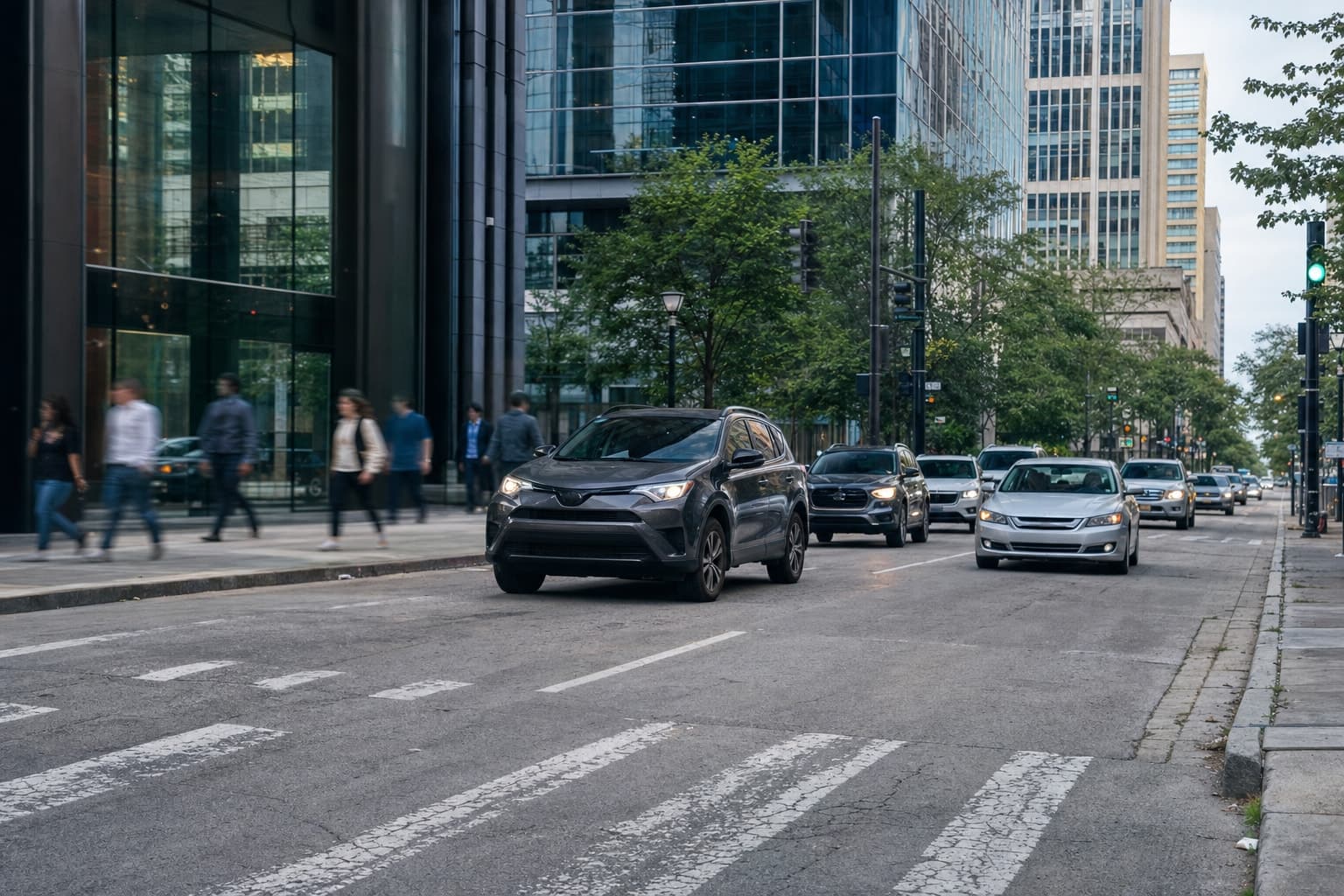
Health care, professional services, and construction drive the local economy, and that shows up behind the wheel. In Douglas County, health care and social assistance account for 12.9% of establishments, professional and technical services 11%, and construction 10.8%. Much of the local driving ties to shift changes, client visits, and pickups between job sites rather than a simple out-and-back commute. Your quote and coverage review should match how your vehicle is actually used during the week. If you leave a hospital campus after dark, carry tools between properties, or spend your day moving from office to office, ask for a policy review that looks closely at mileage, garaging, regular drivers, and whether your current use still fits a personal auto policy. Before you buy, line up your declarations page, recent mileage estimate, and any change in work routine so the quote reflects how you really drive.
Nebraska has a high climate risk rating. Top hazards: Tornado (Very High), Hailstorm (Very High), Severe Storm (High), Flooding (Moderate). The state's expected annual loss from natural hazards is $1.2B, which influences car insurance premiums and may affect coverage availability in high-risk areas.
What Car Insurance Covers
Car insurance in Nebraska usually starts with liability, which may help cover injuries and other covered losses you cause to others. The state's commercial auto minimums sit at split limits for businesses, while personal drivers should verify their own policy needs with the Nebraska Department of Insurance. Many drivers add collision coverage for crashes on icy roads, on I-80, or in city traffic around Lincoln and Omaha. Comprehensive coverage may help with non-collision losses tied to weather and theft.
That matters here because Nebraska has seen repeated major storm declarations in recent years, and hail damage in particular can total a vehicle parked outside. Uninsured motorist coverage is especially relevant given that roughly one in fifteen Nebraska drivers carries no coverage, so a policy may be more useful for local drivers than the national average alone would suggest. Medical payments coverage may help with covered medical expenses after an auto accident, which is important when crash severity is higher on rural routes or during winter weather. Rental reimbursement may help keep you mobile while a covered claim is being repaired, which can matter if your vehicle is out of service after hail damage or a collision.
Endorsements and optional protections may vary by carrier, so the right policy depends on your vehicle use, commute, and local driving conditions rather than a one-size-fits-all approach.
Coverage Included

Liability
Can help pay for injuries and property damage you cause to others in an accident, coverage most states require drivers to carry.
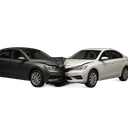
Collision
Can help pay to repair or replace your car after a crash with another vehicle or object, regardless of fault.

Comprehensive
Typically covers damage to your car from events other than collisions, such as theft, hail, fire, flooding, or hitting an animal.
Uninsured Motorist
May pay for your injuries and, in some states, car damage when an at-fault driver has no insurance or too little.

Medical Payments
Can help cover medical bills for you and your passengers after an accident, no matter who was at fault.
Rental Reimbursement
May pay for a rental car while your vehicle is in the shop for repairs after a covered claim.
Car Insurance Cost in Omaha
Average Cost in Nebraska
$75 - $200
per month
In Nebraska, car insurance premiums typically run $75 - $200 per month, which tends to run 19% below the national range of $110 - $230 per month.
- Driving record and age
- Vehicle make, model, and year
- Location and commute distance
- Credit-based insurance score
- Coverage limits and deductibles
Contact CPK Insurance for a personalized quote.
Prices shown are general estimates, not guaranteed rates or quotes. Your actual premium will depend on the insurer, coverage selected, personal details, location, claims history, and other underwriting factors. Learn about our pricing methodology.
The average premium range for car insurance in Nebraska runs from $75 to $200 per month, which is slightly below the national average because the state's premium index sits at 88 out of 100. On this scale, 100 marks the most expensive states, so a score of 88 puts Nebraska about 12% below national levels. Your cost will vary based on your driving record, vehicle, location, and coverage choices.
Drivers in Lincoln, Omaha, and other higher-traffic areas may see different pricing than rural drivers. Nebraska's severe weather profile can also affect rates when carriers price for storm exposure. The state's 38,000 crashes in 2023 work out to over 100 per day, which is one reason a single at-fault accident can exceed what most drivers keep in savings.
Uninsured motorist coverage may also affect price because roughly one in fifteen drivers carries no coverage. Nebraska has many active insurance companies competing statewide, which gives shoppers room to weigh options rather than accepting the first offer.
What Makes Omaha Different
In a market anchored by hospitals, technical firms, and active construction schedules, many drivers are not just commuting once in the morning and once at night. They are making short trips between appointments, campuses, offices, and job sites, sometimes with irregular hours or equipment in the vehicle. A policy built around occasional personal use can become a poor fit if your weekly routine has shifted. More employers and vendors usually mean more daytime traffic, more parking-lot exposure, and more situations where a carrier will want a clearer picture of use. If your car supports your income in any regular way, review who drives it, where it is parked during the day, and whether business-use questions were answered accurately on your last application before you renew.
Our Recommendation for Omaha
If your week includes hospital shifts, client meetings, or trips between properties, tell the agent exactly how often you drive for work, whether you transport tools or samples, and who has regular access to the vehicle. That is often where local buyers create avoidable coverage gaps. Next, review physical damage deductibles against your household budget. Omaha median household income is $72,708, and many households can absorb some out-of-pocket risk. The right deductible still depends on your emergency savings and whether you could repair or replace the car quickly after a loss. It is also worth checking rental reimbursement and roadside options if one vehicle supports most of your workweek. Before you talk to an agent, gather your annual mileage, overnight garaging address, lienholder details, and any recent job change. A clean quote process usually starts with those details, not with guessing at limits.
Get Car Insurance in Omaha
Enter your ZIP code to compare car insurance rates from carriers in Omaha, NE.
Car insurance starting at $59/mo
FAQ
Frequently Asked Questions
Describe how the car is actually used during the week, especially for shift work, client meetings, or trips between locations. In Douglas County, health care and social assistance make up 12.9% of establishments. Work-related driving patterns are common here, and disclosing them helps ensure your policy reflects your actual routine.
Quotes often turn on usage details because local business density can mean more daytime driving, parking, and errand exposure. Expect questions about mileage, work trips, regular drivers, and where the car is kept during the day.
Match the deductible to cash flow, not just the premium. With a median household income of $72,708, some buyers may choose to retain more risk. The better test is whether you could handle repairs without disrupting bills or work.
A personal policy may still fit, but only if the vehicle use is described accurately. In Douglas County, construction represents 10.8% of establishments, and carriers may look closely at job-site travel, tools carried, and who drives the vehicle.
For local commuters, liability coverage may help cover injuries or losses you cause to others, while collision coverage may help with accident-related repairs to your own car. In busier cities like Lincoln and Omaha, traffic volume and stop-and-go driving can make those coverages more relevant than a basic minimum-only approach.
Nebraska is regulated by the Nebraska Department of Insurance, and commercial auto minimums are listed at split limits for bodily injury and property damage. Personal drivers should confirm the current minimum liability limits with the state and weigh options that fit their situation.
Comprehensive coverage is often important to review because the state's climate risk profile shows very high tornado and hail exposure. If your vehicle is parked outside or you live in a storm-prone area, that coverage may be a useful part of your policy design.
Uninsured motorist coverage may help when you are involved in an auto accident with a driver who has no coverage. That matters locally because roughly one in fifteen Nebraska drivers carries no insurance, which is a real market factor when weighing policies.
Sources
- 1.U.S. Census Bureau, County Business Patterns, Douglas County(In the county containing Omaha, health care and social assistance account for 12.9% of establishments, professional, scientific, and technical services 11%, and construction 10.8%.)
- 2.U.S. Census Bureau, ACS 5-Year Estimates, table B19013(Omaha median household income is $72,708.)
Updated July 16, 2026