







































Updated July 16, 2026

Commercial Truck Insurance in Omaha
Your commercial truck insurance in Omaha should be built differently than a policy for the rest of Nebraska. Your exposure here is shaped less by long rural stretches and more by dense local delivery patterns, customer site requirements, and a larger concentration of businesses expecting fast, documented service. Douglas County has 16,689 business establishments, which means your drivers are backing into tight docks and service areas far more often than they would in rural territory. That density translates into more low-speed maneuvers per shift, which is where most urban truck claims originate. When your routes include medical offices, professional tenants, contractors, suppliers, or mixed-use commercial properties, the right policy accounts for frequent loading, unloading, and customer premises activity. A thorough local review also considers how often your units are parked at job sites, who drives each vehicle, whether tools or materials stay on board overnight, and how certificates of insurance are requested before work starts.
Commercial Truck Insurance Risk Factors in Omaha
Omaha's top risk factors include Tornado damage, Hail damage, Severe storm damage, and Wind damage.
Nebraska has a high climate risk rating. Top hazards: Tornado (Very High), Hailstorm (Very High), Severe Storm (High), Flooding (Moderate). The state's expected annual loss from natural hazards is $1.2B, which influences commercial truck insurance premiums and may affect coverage availability in high-risk areas.
What Commercial Truck Insurance Covers
Commercial truck insurance in Nebraska may help cover the truck, the driver, and the freight you haul, but the exact mix depends on whether you run a motor carrier, an owner-operator, or a small fleet. Core options include motor carrier liability for third-party claims, physical damage for the unit itself, cargo coverage for freight in transit, trailer interchange for non-owned trailers, and bobtail or non-trucking liability for off-dispatch situations. Nebraska's commercial auto minimums are $25,000/$50,000/$25,000, but trucking operations often need more because freight contracts, brokers, and shipper requirements can exceed that baseline. Federal freight-hauling minimums also matter for interstate trucking, and hazardous-material loads may require higher liability limits than standard freight.
Physical damage may help with collision or other covered damage to the unit itself, while cargo coverage may help cover the freight being transported. Trailer interchange is important if you use trailers you do not own but control through a trailer agreement. Bobtail coverage and non-trucking liability are different protections for when the truck is driven without a trailer or outside dispatch, and the right choice depends on your dispatch arrangement and lease setup. Because Nebraska has severe-storm and tornado exposure, many operators review deductibles and physical damage limits carefully so a weather event does not leave a large gap in repair funding.
Coverage Included

Motor Carrier Liability
Can help cover injuries and property damage your truck causes to others, a coverage federal regulators require most for-hire carriers to maintain.
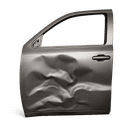
Physical Damage
Can help pay to repair or replace your own truck after an accident, fire, theft, or vandalism.
Cargo Coverage
May pay for damage to or theft of the freight you are hauling while it is in your care.
Trailer Interchange
Can help cover damage to trailers you haul under an interchange agreement but do not own.
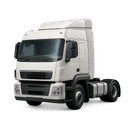
Bobtail Coverage
May provide liability protection when you drive your tractor without a trailer attached, such as after dropping off a load.

Non-Trucking Liability
Can help cover accidents that happen when you use your truck for personal errands rather than dispatched work.
Commercial Truck Insurance Cost in Omaha
Average Cost in Nebraska
$420 - $1,200
per month
Businesses in Nebraska typically see commercial truck insurance premiums of $420 - $1,200 per month, which tends to run 6% above the national range of $400 - $1,125 per month.
- Radius of operation
- Commodities hauled and cargo value
- Number and value of power units
- Driver motor vehicle records and CDL experience
- DOT safety record, inspections, and FMCSA scores
- Liability limits and physical damage deductibles
Contact CPK Insurance for a personalized quote.
Prices shown are general estimates, not guaranteed rates or quotes. Your actual premium will depend on the insurer, coverage selected, business details, location, claims history, and other underwriting factors. Learn about our pricing methodology.
Premiums in Nebraska often fall below the national average, but that does not mean every quote is low. Your final price can move up or down based on coverage limits and deductibles, claims history, location, industry or risk profile, and policy endorsements. A truck running through tornado-prone areas or hauling higher-value freight may be rated differently than a local delivery unit with simpler exposure.
Nebraska's weather profile is a major pricing factor, with severe wind and hail events both rated very high and severe storms rated high. Recent events like the 2024 tornado outbreak and the 2023 derecho may factor into how carriers view physical damage risk for tractors, trailers, and equipment. Ask whether your policy includes comprehensive coverage for weather-related damage and what deductible would apply to a hail or wind claim. Route exposure also matters, since a long-haul truck crossing the state line on I-80 may have different pricing pressure than a local box truck operating in Lincoln or Omaha. The market is competitive, with a broad field of insurers writing in the state, so a quote should be reviewed across several carriers rather than taken from a single estimate.
Industries & Insurance Needs in Omaha
Douglas County business mix matters because it points to the kinds of customers your trucks likely serve. Health care and social assistance account for 12.9% of establishments, professional, scientific, and technical services 11%, and construction 10.8%, so local fleets often support time-sensitive deliveries, contractor movements, equipment hauling, and service calls where access, scheduling, and site rules are tighter than on a simple terminal-to-terminal run. That should affect how you buy. If you haul materials to active job sites, review hired and non-owned auto exposure, driver schedules, and whether your liability limits fit subcontractor agreements. If your work includes deliveries to clinics, offices, or managed properties, ask how claims involving loading areas, parked vehicles, and customer locations are handled. The right quote is not just about the truck, it is about the stops, the handoffs, and the contracts tied to each trip.
What Makes Omaha Different
How often you enter customer premises, how quickly you need certificates issued, and how many short, repetitive trips your drivers make in a day all shape your real exposure. That creates a different profile from a Nebraska operation built mainly around longer highway runs. Every extra stop adds backing, loading, and unloading, raising the odds of a minor collision or property damage claim and putting more pressure on you to keep a unit working after an incident. If your book of business depends on contractors, property managers, medical accounts, or office clients, the right policy closes any gap between what your contracts require and what your current policy actually delivers. That gap is usually where local operators find the real coverage mismatch.
Our Recommendation for Omaha
Start with your dispatch pattern, not just your vehicle list. If one truck handles short urban deliveries while another goes to contractor sites with materials or equipment, each unit should be rated based on actual use rather than assuming the same structure fits the whole fleet. Your insurance documents should then align with the way customers hire you. If you are bidding commercial work, having sample contract requirements, certificate requests, and additional insured language ready helps you spot missing endorsements early. The same review should cover who parks the truck, where it sits after hours, whether employees ever take it home, and whether tools, inventory, or customer property stay in the vehicle between stops. If a claim or complaint does arise, you want the policy terms to match your real operating routine. When you request a quote, bring your route types, driver details, vehicle values, and contract requirements so the review covers everything in one pass.
Get Commercial Truck Insurance in Omaha
Enter your ZIP code to compare commercial truck insurance rates from carriers in Omaha, NE.
Business insurance starting at $25/mo
FAQ
Frequently Asked Questions
Omaha truck operators should bring vehicle schedules, driver information, garaging details, route types, and customer contract requirements. In a county with 16,689 business establishments, certificate requests and site-specific insurance terms come up constantly, so your policy has to keep pace with that volume of paperwork. That many commercial accounts means your certificate turnaround time and additional insured obligations can move as fast as your dispatch schedule.
Douglas County business mix can change the conversation. With construction at 10.8% of establishments and health care and social assistance at 12.9%, many local trucks serve job sites, clinics, and managed properties rather than typical freight terminals. Those environments tend to involve tighter access points and stricter site rules, which means your endorsements and limits should reflect the actual places your drivers operate.
Customer locations matter because frequent stops create more chances for backing incidents, loading claims, and property damage allegations. If your work involves offices, medical sites, or commercial properties, the right policy clarifies how it responds once the truck is on customer premises.
Businesses often find that contracts shape insurance choices as much as vehicle type does. In a market with this many commercial accounts, your lease, vendor, and subcontractor requirements deserve a direct side-by-side check against your current limits and endorsements. When a contract specifies higher limits or additional insured status, your policy needs to reflect that before work begins.
Household income levels can point to stronger residential delivery demand or service-area growth on the horizon. If dispatch volume is climbing, you may need more units and drivers active at once, which changes how your policy is structured.
In Nebraska, the policy can be built around motor carrier liability, physical damage, cargo coverage, trailer interchange, bobtail coverage, and non-trucking liability insurance. The right mix depends on whether you run long haul, regional delivery, or local hauling through places like Lincoln, Omaha, or along I-80.
Nebraska's commercial auto minimums are $25,000 per person, $50,000 per accident, and $25,000 for property damage, and the Nebraska Department of Insurance oversees the market. If you haul freight across state lines, federal liability requirements and shipper or broker demands may also affect the limits you need.
Cost depends on coverage limits, deductibles, claims history, location, industry risk, and endorsements. A truck with broader protection or heavier exposure may be rated differently than one with simpler operations.
Sources
- 1.U.S. Census Bureau, County Business Patterns, Douglas County(In Douglas County, there are 16,689 business establishments, so many truck operators spend as much time meeting contract insurance requirements, backing into tight service areas, and moving between short-stop jobs as they do on open highway miles.; Health care and social assistance account for 12.9% of establishments, professional, scientific, and technical services 11%, and construction 10.8%, so local fleets often support time-sensitive deliveries, contractor movements, equipment hauling, and service calls where access, scheduling, and site rules are tighter than on a simple terminal-to-terminal run.)
Updated July 16, 2026





