







































Updated July 5, 2026

Dealer Open Lot Insurance in Omaha
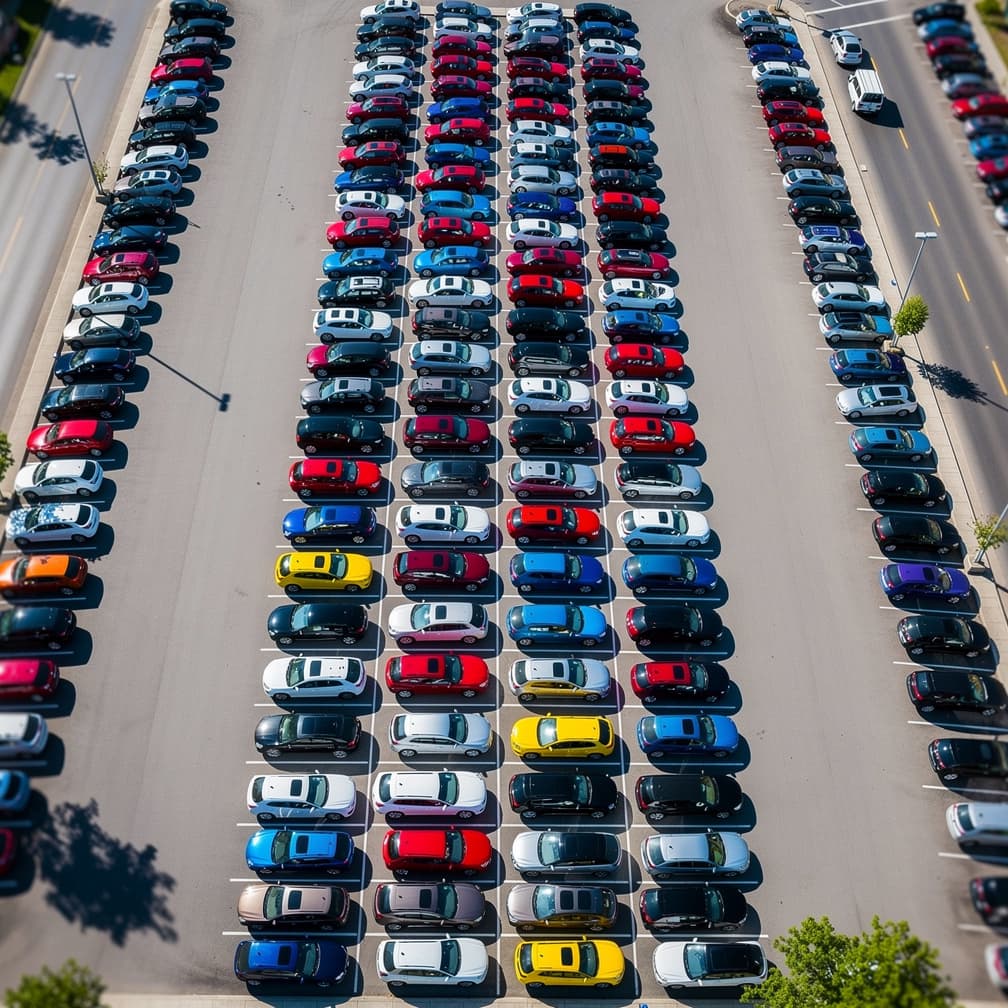
Property values and operating overhead here change how you set lot limits and deductibles. With Omaha median household income at $72,708, many buyers arrive expecting cleaner late model inventory and stronger financing options, so a small underreported peak lot value can leave a bigger gap than you expect after a loss. That is why dealer open lot insurance in Omaha usually deserves a closer look at your highest weekly inventory total, not just your average count. If you carry units across a front line, a side lot, and temporary overflow, ask for limits that match the most expensive concentration of vehicles at one time. A higher deductible can help the quote, but only if it still fits your cash flow during a weather event or vandalism claim. Before you request terms, total your top-value units, note where they are parked overnight, and separate owned inventory from customer or consigned vehicles so the schedule matches how your lot actually runs.
Dealer Open Lot Insurance Risk Factors in Omaha
Local weather exposure is the practical issue. Nebraska's leading natural hazards are a state level concern, and that matters here because dealer inventory sits outside, often tightly parked, with losses that can affect many units at once rather than one vehicle at a time. The city difference is not a separate rule set, it is concentration: if your lot is compact, near other commercial property, or split between a sales line and overflow storage, one storm event can test both your per vehicle values and your **total lot limit** quickly. Review whether your reported maximum inventory value reflects seasonal buying spikes, recent trade ins, and any units waiting for recon or transport. If your operation uses more than one storage point, map each location and ask how claims would be handled if damage hits several groups of vehicles in the same event.
Nebraska has a high climate risk rating. Top hazards: Tornado (Very High), Hailstorm (Very High), Severe Storm (High), Flooding (Moderate). The state's expected annual loss from natural hazards is $1.2B, which influences dealer open lot insurance premiums and may affect coverage availability in high-risk areas.
What Dealer Open Lot Insurance Covers
Dealer open lot insurance may help cover losses from hail, wind, theft, fire, vandalism, and collision damage while vehicles sit on your lot. Many dealers keep part of their stock on the main frontage lot, part behind the building, and part at overflow space that may be fenced differently or watched less consistently after hours. If a quote only reflects the front line inventory, you can end up debating whether the rest of the stock was scheduled correctly after a loss.
You should also review how the policy treats vehicles during ordinary dealership handling that is common in this state. That includes units moved between rooftops and overflow storage, vehicles parked near service areas while being prepped for sale, and inventory taken off-premises for fueling or photography. Those operational details matter because a claim often turns on where the vehicle was, why it was there, and whether that movement fit the policy terms.
Nebraska weather patterns make concentration risk worth special attention. If your lot layout leaves rows exposed to the same wind path or hail impact, ask whether your limits and deductibles still make sense for a multi-unit loss instead of a single damaged vehicle. The same goes for seasonal inventory swings. If you carry more trucks, trailers, or recreational units at certain times of year, update values before the concentration changes, not after.
One state-specific checkpoint is regulatory clarity. The Nebraska Department of Insurance oversees insurance regulation in the state, which matters because it governs how policies are filed, how claims are handled, and what recourse you have if a dispute arises. If you are comparing forms or endorsements, check that the policy language matches Nebraska requirements and that your listed locations and handling practices are reflected accurately before you bind.
Coverage Included

Weather Damage
Covers hail, wind, flood, and storm damage to lot inventory.
Theft Protection
Covers vehicles stolen from your lot.
Fire Damage
Covers fire and explosion damage to inventory vehicles.

Vandalism
Covers intentional damage to vehicles on your lot.
Test Drive Coverage
Covers vehicles during customer and employee test drives.
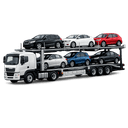
Transit Coverage
Covers vehicles being moved between lot locations.
Industries & Insurance Needs in Omaha
Commercial density is the local business fact that changes the conversation. Douglas County has 16,689 business establishments, so dealers here often operate in tighter commercial corridors where signage, frontage, lender expectations, and neighboring property relationships all put pressure on how inventory is stored and documented. The county mix also matters: health care and social assistance accounts for 12.9% of establishments, professional, scientific, and technical services 11%, and construction 10.8%. That mix supports steady commuter and work vehicle demand, which can push faster inventory turns, more trade ins, and periodic swings in unit values. For insurance buying, the takeaway is simple: do not quote from a stale snapshot. Use current counts, current values, and every storage address you actually use, especially if overflow space changes with sales volume or nearby commercial availability.
What Makes Omaha Different
Space cost is the main local difference. In a market where household purchasing power is meaningful, dealers can end up carrying a mix of newer financed units and value inventory at the same time, and that makes lot value swing faster than the lineup suggests from the street. The issue is not just how many vehicles you have. It is how much value is concentrated in a small footprint, especially if premium front line units sit beside recent trade ins, recon vehicles, or overflow stock. That concentration changes the deductible and limit discussion because one event can affect the whole row. A quote built from an average month can miss the weeks that matter most. The practical move is to identify your highest total inventory value during the last year, then compare that figure against the limit you are considering. If the gap is uncomfortable, adjust before binding, not after a claim.
Our Recommendation for Omaha
Start with a simple worksheet built for local operations. List each storage location, the maximum number of units kept there, the highest combined value you have carried there, and whether vehicles are sale ready, in recon, or waiting on transport. Then review your deductible against cash reserves, because a deductible that looks manageable on paper can feel very different if multiple units are damaged at once. If your inventory mix changes quickly, ask for guidance on how often values should be updated during the policy term. If you use overflow parking, confirm that every address is disclosed and that temporary storage practices are described clearly. You can also ask whether the quote assumptions match your busiest buying periods, not just a normal week. That gives you a cleaner basis for comparing options and requesting a free, no obligation quote.
Get Dealer Open Lot Insurance in Omaha
Enter your ZIP code to compare dealer open lot insurance rates from carriers in Omaha, NE.
Business insurance starting at $25/mo
FAQ
Frequently Asked Questions
Omaha buyers should set the limit from the highest total inventory value they carry, not a typical week. With median household income at $72,708, some dealers may stock higher value financed units, so peak concentration matters more than a rough average.
Omaha operations should disclose every place inventory is stored overnight or during overflow periods. If vehicles move between a main line and temporary storage, ask the agent to review each address so the quote matches actual lot practice.
Douglas County has 16,689 business establishments, and that commercial density can mean tighter storage patterns and changing overflow options. For a dealer, that makes accurate location reporting and current inventory values more important at quote time.
Omaha dealers often see inventory values change faster than unit counts suggest. A row of newer financed vehicles beside lower value trade ins can raise total lot value quickly, so update values before renewal or after a buying surge.
Douglas County's leading sectors are health care and social assistance at 12.9%, professional, scientific, and technical services at 11%, and construction at 10.8%. That mix can support steady commuter and work vehicle demand, so inventory turns and values may shift faster than expected.
You get better quote results by submitting a current inventory list, all storage addresses, and a clear summary of off-premises handling. That gives the underwriter a cleaner picture of how your vehicles are exposed before terms are offered.
Dealerships should list each place where sale inventory is kept, including overflow space used only during busy periods. If a loss happens away from the main lot, accurate location records can make the claim review much smoother.
Used car dealers should review current inventory values, overnight parking patterns, key control, and how vehicles leave the lot for detailing, repair, or test drives. Those operating details often matter more than a simple dealership description.
Sources
- 1.U.S. Census Bureau, ACS 5-Year Estimates, table B19013(Omaha median household income)
- 2.U.S. Census Bureau, County Business Patterns, Douglas County(Business establishments in Douglas County; Leading business sectors in the county containing Omaha by establishment share)
Updated July 5, 2026





