







































Updated July 5, 2026

Inland Marine Insurance in Omaha
Your crews do not keep property in one place here. A contractor may stage tools in a Midtown shop, load materials before sunrise, then move between remodels in Dundee, tenant finish work downtown, and a service call across the river corridor before the day ends. A design firm may carry survey gear, laptops, or client materials from office to site and back again. That operating pattern is why inland marine insurance in Omaha deserves a closer review than a basic property schedule. You need to look at what leaves the premises, where it sits during the workday, who has custody, and whether values spike when several jobs overlap. Douglas County has 16,689 business establishments, so local buyers often work in a dense network of landlords, GCs, medical offices, and professional clients that expect clear proof of coverage before equipment arrives or customer property changes hands. Before you request quotes, build a current list of mobile tools, installation materials, leased equipment, and any property you carry for others, then match those items to how they actually move.
Inland Marine Insurance Risk Factors in Omaha
Omaha's top risk factors include Tornado damage, Hail damage, Severe storm damage, and Wind damage.
Nebraska has a high climate risk rating. Top hazards: Tornado (Very High), Hailstorm (Very High), Severe Storm (High), Flooding (Moderate). The state's expected annual loss from natural hazards is $1.2B, which influences inland marine insurance premiums and may affect coverage availability in high-risk areas.
What Inland Marine Insurance Covers
In Nebraska, this policy can help cover business property that is mobile, in transit, or temporarily away from your main premises. The core coverages include tools and equipment, goods in transit, contractors equipment, installation floater, and builders risk. If your property is at a job site in Lincoln, being moved between counties, or stored temporarily after a storm delay, the policy can be written to follow that property instead of stopping at your fixed location.
Nebraska does not create a special statewide mandate for this coverage, but your specific trade and daily operations shape your coverage needs, and the Nebraska Department of Insurance regulates the market. That means the policy wording, endorsements, limits, and deductibles matter more than a one-size-fits-all assumption. A standard commercial property policy usually focuses on a fixed business address, while inland marine is built for movement, temporary locations, and offsite exposure.
The policy is commonly used for theft, damage, vandalism, and other covered perils while property is away from the primary location, but exact exclusions and extensions vary by carrier and endorsement. In a state with high tornado and hail exposure, it is smart to ask whether your policy treats job-site storage, transit between counties, and temporary storage the way you expect before a loss occurs.
Coverage Included
Tools & Equipment
Can help repair or replace hand tools, power tools, and gear that are stolen or damaged on the job or in transit.

Goods in Transit
May cover products, materials, and merchandise while they are being shipped or hauled between locations in your care.
Contractors Equipment
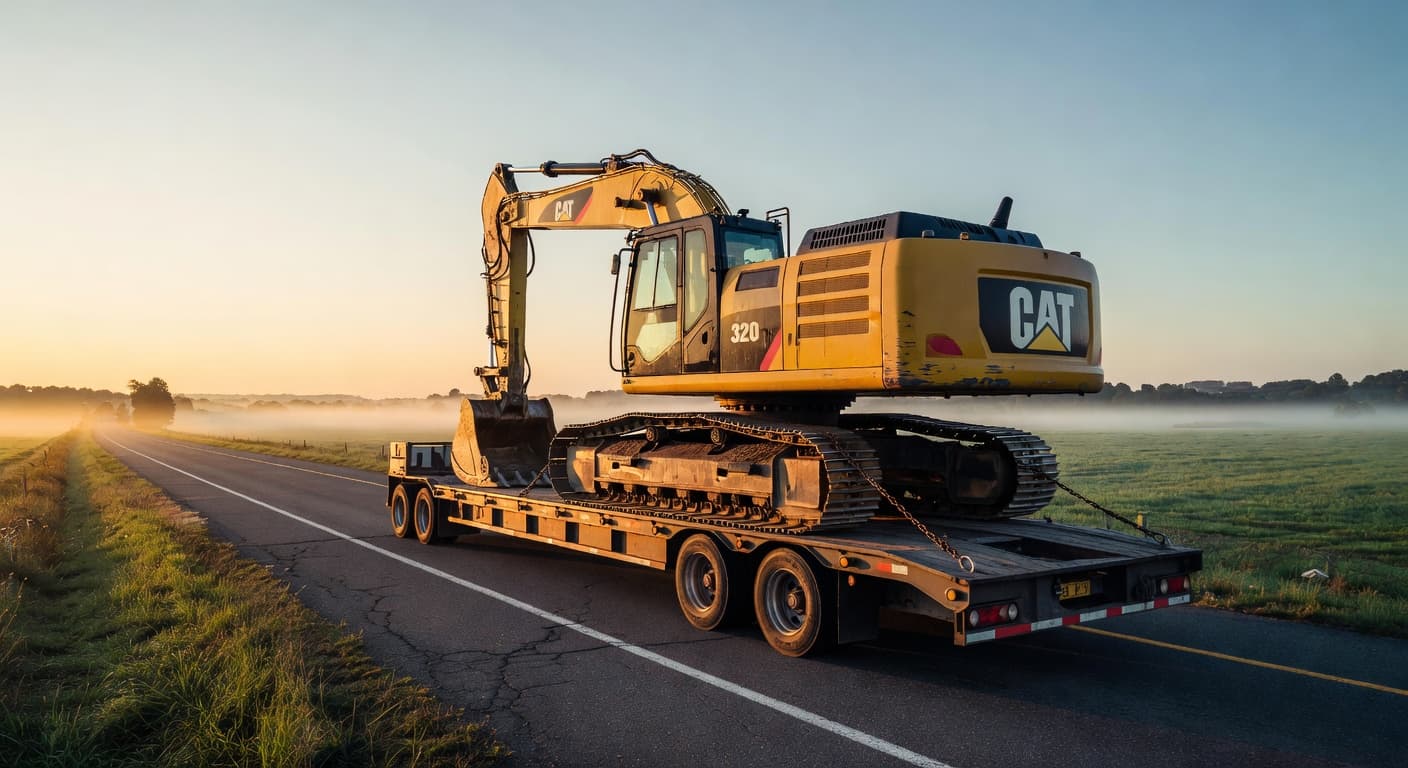
Typically covers heavy machinery like excavators, loaders, and generators against theft or damage at job sites and between them.

Installation Floater
Can help cover materials and fixtures from the moment you buy them until they are installed and accepted at a project.

Builders Risk
May cover a structure under construction, along with materials on site, against damage from fire, wind, theft, and vandalism.
Inland Marine Insurance Cost in Omaha
Average Cost in Nebraska
$20 - $100
per month
Businesses in Nebraska typically see inland marine insurance premiums of $20 - $100 per month, which tends to run close to the national range of $20 - $100 per month.
- Total insured value of the scheduled property
- Type and age of the equipment
- Where it is stored and how far it travels
- Jobsite security and theft prevention
- Per-item limits and deductibles
- Prior theft and in-transit losses
Contact CPK Insurance for a personalized quote.
Prices shown are general estimates, not guaranteed rates or quotes. Your actual premium will depend on the insurer, coverage selected, business details, location, claims history, and other underwriting factors. Learn about our pricing methodology.
The average cost in Nebraska starts at $20 to $100 per month, which sits below the national average overall and means many owners may find room in their budget for meaningful protection. Nebraska's premium index also suggests premiums may run below what businesses pay in some other states, meaning your baseline rate may be lower before other factors are applied.
Nebraska's risk profile can push pricing in different directions depending on where and how your property is used. Tornado risk is very high, hailstorm risk is very high, and severe storm risk is high, so property that sits outdoors, moves frequently, or stays at job sites may face a different rate than property kept in protected storage. Recent disaster history also matters, with a history of disaster declarations including a 2024 tornado outbreak and 2023 severe storms and flooding, meaning carriers may view exposed property as a higher risk. Those conditions can influence how carriers view tools, contractors equipment, and builders risk coverage.
Carrier competition can help keep pricing more flexible because Nebraska has a broad market of active insurers. Since your specific trade and daily operations shape your coverage needs, two companies in the same city may still get different pricing based on how much property they move, whether it is stored in temporary locations, and what endorsements they add.
Industries & Insurance Needs in Omaha
The county mix changes who should look hardest at this coverage. In Douglas County, health care and social assistance account for 12.9% of establishments, professional, scientific, and technical services 11%, and construction 10.8%. That matters because these are three common patterns for mobile property exposure: contractors moving tools and materials, technical firms carrying instruments and electronics, and health-related operators transporting specialized equipment between locations. If your work touches any of those lanes, a quote should separate owned equipment, borrowed gear, installation floaters, and customer property in your care. The point is not to buy every endorsement available. It is to line up the form with the way your property leaves the office, rides in vehicles, sits at temporary locations, and returns after the job.
What Makes Omaha Different
Density of client-facing, mobile service work is the local difference. Here, many businesses are not shipping inventory long distance, but they are constantly moving valuable property between offices, job sites, temporary work areas, and customer locations during the same week. That creates a coverage review problem: a standard property policy may be built around one address, while your actual exposure follows the equipment. Omaha's median household income is $72,708, so many households and commercial clients have the means to hire specialists for remodels, installations, repairs, design work, and on-site professional services. More jobs at occupied homes and active commercial spaces usually means more tools in transit, more materials staged off premises, and more situations where you are responsible for someone else's property. Review whether your limits fit peak job values, not just your average day, and whether any single item needs to be scheduled separately.
Our Recommendation for Omaha
Start with the property that moves most often and costs the most to replace. For many local businesses, that means power tools, diagnostic devices, laptops, cameras, testing equipment, installation materials, and rented equipment that rotates from one address to another. Next, map where those items spend time: in a vehicle, inside a temporary job trailer, on an upper floor during a tenant finish, or in your employee's custody between appointments. Ask each quote to show how off-premises property, property in transit, and property at temporary locations are handled, because those details often matter more than broad marketing labels. If you ever hold customer property before installation or repair, say that clearly so the form can be reviewed for that exposure. Keep your equipment list updated, note your highest-value item, and bring your current certificate requirements from landlords or project owners to the quote request.
Get Inland Marine Insurance in Omaha
Enter your ZIP code to compare inland marine insurance rates from carriers in Omaha, NE.
Business insurance starting at $25/mo
FAQ
Frequently Asked Questions
Omaha businesses that move tools, equipment, materials, or client property between addresses are the usual candidates. In Douglas County, construction makes up 10.8% of establishments, so contractors and trades should review whether mobile property values exceed what a fixed-location policy is built around.
Omaha contractors often need a closer review because tools and materials rarely stay at one insured address. If your crews load out each morning, stage items temporarily, or leave materials awaiting installation, ask for limits based on peak job values, not just average inventory.
Douglas County professional firms often carry laptops, instruments, cameras, or testing gear off premises. Professional, scientific, and technical services represent 11% of county establishments, so firms with field work should review how equipment is covered in transit and at temporary locations.
Omaha health-related operators should review this if equipment travels between offices, facilities, or client locations. Health care and social assistance account for 12.9% of establishments in Douglas County, which makes mobile specialized equipment a practical exposure for many local operators.
Omaha project owners, landlords, and commercial clients often want proof because valuable property is moving through active workspaces. Douglas County has 16,689 business establishments, so you are often working in a market where contract requirements and custody questions are addressed before work starts.
In Nebraska, the policy is commonly used for property that is moving between locations, sitting at a job site, or stored temporarily away from the main business address. It can include tools, equipment, materials, and goods being transported, with coverage details depending on the carrier and endorsements you choose.
It can be written to follow covered property when it is not at your fixed location, which is the key difference from a standard commercial property policy. For Nebraska job sites and temporary storage, ask how the policy handles theft, damage, and storm exposure before you bind coverage.
Businesses that move property regularly are the best fit, especially contractors, installers, electricians, plumbers, landscapers, and other small businesses that work across multiple locations. Nebraska's large small-business base makes this especially relevant for owners who carry tools or materials from site to site.
Sources
- 1.U.S. Census Bureau, County Business Patterns, Douglas County(Douglas County has 16,689 business establishments.; In Douglas County, health care and social assistance account for 12.9% of establishments, professional, scientific, and technical services 11%, and construction 10.8%.)
- 2.U.S. Census Bureau, ACS 5-Year Estimates, table B19013(Omaha's median household income is $72,708.)
Updated July 5, 2026





