







































Updated July 16, 2026

On-Hook Towing Insurance in Omaha
Omaha's towing work reaches well beyond the typical roadside breakdown call. With health care and social assistance leading Douglas County at 12.9% of establishments, followed by professional services at 11% and construction at 10.8%, your dispatch board is more likely to include employee vehicles, contractor pickups, and fleet units tied to business operations. The value of the vehicle in your care is only part of the exposure. The other part is documentation: where the unit was picked up, why it was being moved, who released it, and how quickly a dispute can turn into a loss argument. In a county with a large business base, you are more likely to handle commercial accounts, vendor lots, parking issues, and after-hours relocations where chain of custody needs to be clear before the hook-up starts.
On-Hook Towing Insurance Risk Factors in Omaha
Omaha's top risk factors include Tornado damage, Hail damage, Severe storm damage, and Wind damage.
Nebraska has a high climate risk rating. Top hazards: Tornado (Very High), Hailstorm (Very High), Severe Storm (High), Flooding (Moderate). The state's expected annual loss from natural hazards is $1.2B, which influences on-hook towing insurance premiums and may affect coverage availability in high-risk areas.
What On-Hook Towing Insurance Covers
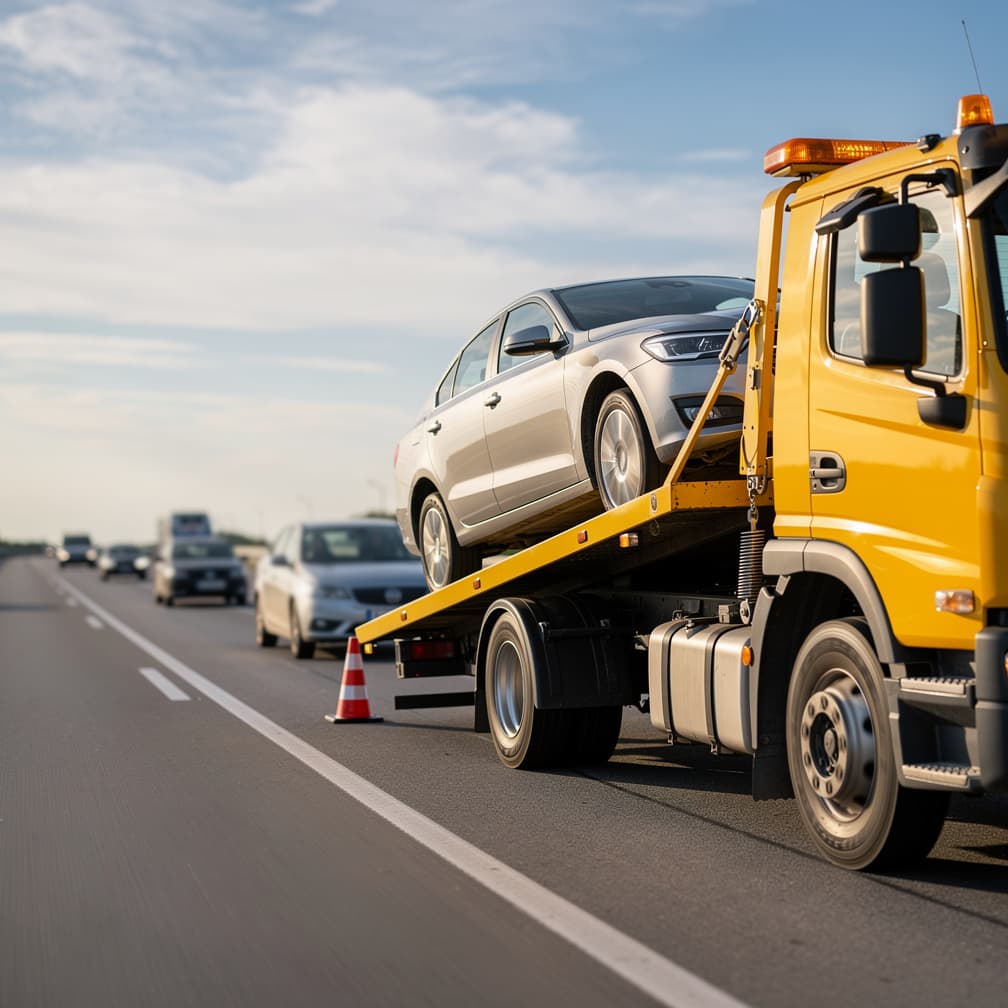
In Nebraska, the useful review is not the basic definition of on-hook coverage, it is where your operation creates the most claim pressure while a vehicle is attached to your truck or being moved by it. For many towing businesses, that means looking closely at the handoff points. A customer vehicle can be exposed during a roadside hookup on a narrow shoulder, during a winch onto a flatbed in poor traction, while secured for transport across town, or during unloading at a shop, yard, auction, or residence. Your quote should match those moments.
That is why the underwriting conversation often turns to procedure. If your drivers photograph pre-existing damage before hookup, note wheel condition, document key custody, and record destination changes from dispatch, you give the carrier a clearer picture of how a future claim may be investigated. If you perform police-directed tows, private property impounds, or recovery work after weather events, ask how those job types are being classified in the quote. They can change how an underwriter views severity, especially when the towed vehicle is already damaged before your driver arrives.
Nebraska weather and road conditions can also change the exposure from one call to the next, so it helps to describe how you handle delayed pickups, overnight storage transitions, and after-hours releases. If your operation crosses state lines, moves specialty vehicles, or uses subcontracted drivers at peak times, bring that up during the quoting process. A policy review built around the exact towing situations that could turn into a disputed damage claim is what actually matters.
Coverage Included
Collision on Hook
Covers damage to towed vehicles from collisions during transport.
Comprehensive on Hook
Covers theft, fire, and weather damage to vehicles being towed.
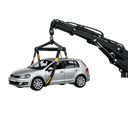
Loading & Unloading
Covers damage during the process of loading and unloading vehicles.
Winching Coverage
Covers damage to vehicles during winching and recovery operations.
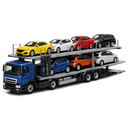
Multiple Vehicle
Covers all vehicles on multi-car carriers and rollback flatbeds.
What Makes Omaha Different
Commercial density is the difference here. In Douglas County, a tow operator is more likely to touch vehicles connected to employers, job sites, medical offices, and service firms where ownership questions and use-of-vehicle disputes can surface fast after a tow. Claim severity is not just about physical damage to the unit you are hauling but also about whether your file shows authorization, condition at pickup, destination, and any pre-existing damage before transport. Because health care, professional services, and construction together make up a large share of establishments, your policy setup should reflect the commercial vehicles and work orders you actually handle. If your dispatch board includes more business-related moves than public roadside calls, ask to review limits and documentation procedures together, not as separate decisions.
Our Recommendation for Omaha
The first place to look is your commercial job mix. If you regularly tow for clinics, contractors, office properties, or fleet accounts, bring sample invoices, dispatch records, tow tickets, and release forms to your quote review so the underwriter can see how custody is documented from pickup through drop-off. Omaha's median household income is $72,708, so expect newer personal vehicles and stronger expectations around condition disputes. That means photo procedures, signed condition notes, and storage-lot handoff records deserve as much attention as the limit itself. If your operation handles both consumer tows and commercial relocations, ask whether those exposures should be scheduled or described separately. You should also review whether your current wording fits employee vehicles, service vans, and contractor trucks, rather than assuming one on-hook setup fits every call.
Get On-Hook Towing Insurance in Omaha
Enter your ZIP code to compare on-hook towing insurance rates from carriers in Omaha, NE.
Business insurance starting at $25/mo
FAQ
Frequently Asked Questions
Omaha-area towing often intersects with a dense business base in Douglas County. That means more employer, vendor, and property-management tows, so you should document authorization and vehicle condition carefully before transport begins.
Omaha operators should describe whether they move contractor pickups, service vans, employee vehicles, dealer units, or standard passenger cars. The county's leading sectors include construction at 10.8% and professional services at 11%, so your application should reflect the wider variety of vehicles you may be asked to move.
Yes. When a tow involves a business vehicle, clear release authority and pickup records can matter as much as the damage photos. Business owners tend to scrutinize transport arrangements closely, so expect claim handling to lean heavily on documentation.
Omaha risks often look cleaner when private-party roadside work is separated from commercial relocations, lot enforcement, or account towing. If your dispatch board mixes those jobs, ask for each category to be described distinctly so the policy matches your actual custody exposure.
Omaha insurance complaints are handled at the state level by the Nebraska Department of Insurance. If a policy or claim issue turns on wording, keep your tow tickets, photos, and release records organized before you escalate the dispute.
The Nebraska Department of Insurance handles regulatory questions and complaints. If you run into trouble with a carrier or policy form, that is where to start. Checking policy terms, exclusions, and claim reporting steps during the quoting process can help you avoid those problems entirely.
Yes, when the equipment handles different job types. A flatbed doing scheduled dealer transport presents a different risk than a wheel-lift pulling wrecked vehicles from a ditch. If those uses are blended, you may overpay for the low-risk truck or find the high-risk unit underinsured when a claim hits.
Operators usually get a cleaner quote by bringing a current unit schedule, driver list, service radius, loss details, and sample tow paperwork. That helps the underwriter classify roadside towing, recovery, impounds, and transport work more accurately.
Sources
- 1.U.S. Census Bureau, County Business Patterns, Douglas County(Health care and social assistance leads Douglas County at 12.9% of establishments, followed by professional, scientific, and technical services at 11% and construction at 10.8%.)
- 2.U.S. Census Bureau, ACS 5-Year Estimates, table B19013(Omaha's median household income is $72,708.)
- 3.Nebraska Department of Insurance(Omaha insurance complaints are handled at the state level by the Nebraska Department of Insurance.)
Updated July 16, 2026





