







































Updated July 16, 2026

Demolition Contractor Insurance in Nevada
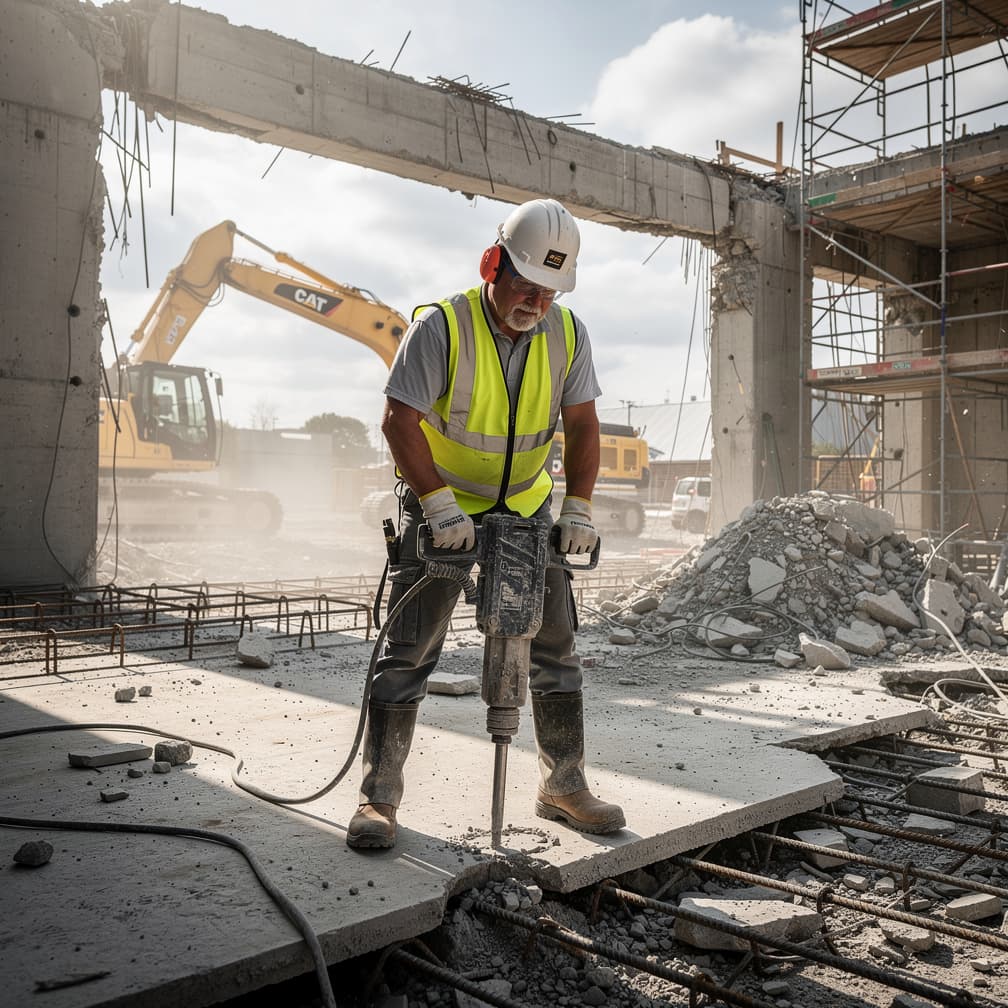
If you are bidding tear-downs, interior strip-outs, or full wrecking jobs across Nevada, your insurance conversation is shaped by heat, wildfire risk, seismic activity, and cramped work zones near other properties. A quote should be built around the way you actually work. That means hauling debris through busy corridors, staging gear on-site, and protecting against third-party claims if a wall shift, falling material, or blocked access affects someone nearby.
Nevada has practical buying norms worth understanding before you start a job. Workers' compensation is required for businesses with 1+ employees, commercial auto has state minimums, and many commercial leases expect proof of general liability coverage. For contractors working in Carson City, Las Vegas, Reno, Henderson, Sparks, or rural job sites, the right policy mix depends on what you actually bid, drive, and move between sites. Your coverage should reflect the specific structures you bring down, not a generic contractor form.
Climate Risk Profile
Natural Disaster Risk in Nevada
Understanding climate-related risks helps determine appropriate insurance coverage levels.
Wildfire
High
Earthquake
High
Extreme Heat
High
Flash Flooding
Moderate
Expected Annual Loss from Natural Hazards
$320M
estimated economic loss per year across Nevada
Source: FEMA National Risk Index
Common Risks for Demolition Contractor Businesses
- Debris damaging neighboring buildings, fences, sidewalks, or utility fixtures during teardown
- Bodily injury to pedestrians, tenants, inspectors, or other third parties near the jobsite
- Slip and fall claims from uneven surfaces, rubble, mud, or temporary access paths
- Equipment in transit loss or damage while moving tools, attachments, or demolition gear between sites
- Vehicle damage or liability issues tied to trucks, trailers, hired auto, or non-owned auto use
- Worksite injury exposure for crews handling unstable structures, heavy debris, or hazardous access points
Risk Factors for Demolition Contractor Businesses in Nevada
- Nevada demolition sites can face wildfire-related property damage exposure, which can affect debris handling, site cleanup, and third-party claims near active work zones.
- Earthquake exposure in Nevada can create sudden property damage and collapse-related liability concerns for demolition and wrecking contractor insurance in Nevada.
- Extreme heat across Nevada can increase employee safety concerns, rehabilitation needs, and on-site medical costs tied to labor-intensive demolition work.
- Flash flooding in Nevada can complicate tight-access demolition sites, temporary fencing, and equipment in transit, especially when materials are staged outdoors.
- Urban demolition sites in Nevada may need stronger contractor liability coverage for demolition work because neighboring structures, sidewalks, and public access points can heighten bodily injury and property damage exposure.
How Nevada compares with the national baseline
Uninsured drivers
10.2% vs 11.6% baseline
About 10.2% of Nevada drivers are estimated to be uninsured, below the 11.6% average across states.
Fatal crashes per 100 million miles
1.38 vs 1.33 baseline
Nevada sees about 1.38 fatal crashes per 100 million miles driven, above the national average of 1.33.
Property crime per 100,000 residents
2,440 vs 2,200 baseline
Property crime in Nevada runs above the national average, at 2,440 vs 2,200 incidents per 100,000 residents.
Blue bar: Nevada. Gray line: national baseline.
How Much Does Demolition Contractor Insurance Cost in Nevada?
Demolition Contractor Insurance is a bundle of separate policies, priced separately. The ranges below are typical figures for Nevada for each line, except workers compensation, which is rated per $100 of payroll; a quote prices each one against your own operations.
| Coverage | Typical range | What moves your price |
|---|---|---|
| General Liability Insurance | $600 - $2,400 per month | Industry and risk classification, annual revenue, number of employees |
| Workers Compensation Insurance | $0.75 - $2.74 per $100 of payroll | Employee classification codes, total annual payroll, experience modification rate |
| Commercial Auto Insurance | $525 - $1,750 per month | Fleet size and vehicle types, driver records and experience, coverage limits and deductibles |
| Inland Marine Insurance | $85 - $430 per month | Total insured value of the scheduled property, type and age of the equipment, where it is stored and how far it travels |
| Commercial Umbrella Insurance | $210 - $850 per month | Umbrella limit requested, limits carried on the underlying policies, loss history on those underlying policies |
Prices shown are general estimates, not guaranteed rates or quotes. Your actual premium will depend on the insurer, coverage selected, business details, location, claims history, and other underwriting factors. Learn about our pricing methodology.
Get Your Demolition Contractor Insurance Quote in Nevada
Compare rates from multiple carriers. Free quotes, no obligation.
What Nevada Requires for Demolition Contractor Insurance
Non-compliance can result in fines, loss of contracts, and personal liability:
- Workers' compensation is required in Nevada for businesses with 1+ employees, with limited exemptions for sole proprietors and some corporate officers.
- Nevada commercial auto minimum liability is $25,000/$50,000/$20,000, so jobsite vehicles and hauling units should be reviewed against those minimums before work begins.
- Nevada businesses are often expected to maintain proof of general liability coverage for most commercial leases, which matters for demolition contractors working from yards, offices, or storage locations.
- The Nevada Division of Insurance regulates coverage availability and market conduct, so demolition contractor insurance requirements in Nevada should be reviewed with current policy wording and certificates.
- For demolition and wrecking contractor insurance in Nevada, endorsements should be checked for jobsite-specific coverage, hired auto, non-owned auto, and inland marine protection when tools or mobile property move between projects.
| Requirement | What Nevada law says |
|---|---|
| Auto liability minimums | $25,000/$50,000/$20,000 (bodily injury per person / per accident / property damage). These floors apply to personal and business vehicles alike; lenders and contracts often require more. |
| Workers compensation | Generally required once you have your first employee. Some roles are exempt, so confirm current thresholds before you hire. |
| Where to verify | Nevada Division of Insurance publishes current requirements, consumer guides, and license lookups. |
Common Claims for Demolition Contractor Businesses in Nevada
A wall section falls toward a neighboring storefront, leading to property damage and legal defense costs under the liability policy.
A crew member working in extreme heat needs medical treatment and time away from work, which is where workers' comp and rehabilitation benefits kick in.
Debris or equipment from a cramped work zone damages a parked vehicle or sidewalk area, triggering a third-party claim and potential settlement expense.
Preparing for Your Demolition Contractor Insurance Quote in Nevada
Project mix: residential work, commercial projects, interior strip-outs, wrecking, and any special handling for debris or adjacent structures.
Vehicle and equipment details: trucks, trailers, hired auto use, non-owned auto situations, tools, and contractors equipment values.
Jobsite footprint: whether you work in urban sites, cramped lots, or rural locations, plus any work near occupied buildings or public access.
Business records: payroll, estimated annual revenue, prior claims, and any certificate of general liability coverage needed for leases or subcontracting.
What Happens Without Proper Coverage?
Demolition claims do not have to be dramatic to become expensive. A small mistake during selective demolition can damage retained finishes, wiring, plumbing, or structural elements that were supposed to stay in place. Dust control that falls short can trigger complaints from neighboring tenants or building owners. A truck backing out of a tight site can damage another vehicle or strike a pedestrian. If you are moving fast to meet a schedule, one incident can turn into a bodily injury claim, a property damage dispute, and a legal defense bill at the same time.
That is the practical reason to settle coverage before a project starts. Two questions do most of the sorting: who gets hurt or loses property when something goes wrong, and what would a week without a key machine or vehicle cost you. The first question drives your liability and workers compensation decisions, the second drives how you schedule equipment and vehicles, and your contracts decide whether an umbrella needs to sit above all of it.
Insurance also affects whether you can get through contract review cleanly. Property owners, general contractors, and project managers often want certificates before site access is granted, and they may ask you to carry specific liability limits or show evidence of workers compensation and auto coverage. If your policies are not aligned with the work you bid, you can lose time renegotiating terms or miss the start date while documents are corrected.
The bigger issue is fit. A contractor focused on interior strip outs in occupied buildings should not be reviewed the same way as a business doing structural teardown, slab removal, or debris hauling across multiple sites. Your premium is shaped by payroll, vehicle use, equipment values, claims history, and the scope of demolition you perform, so the application needs to be specific. Before you bind coverage, compare your contracts to your policy terms and ask where limits, scheduled equipment, or umbrella capacity may need to be adjusted.
Recommended Coverage for Demolition Contractor Businesses
Based on the risks and requirements above, demolition contractor businesses need these coverage types in Nevada:

General Liability
Essential coverage for every business, protect against third-party bodily injury, property damage, and advertising claims.

Workers Compensation
Help cover your employees' medical expenses and lost wages for work-related injuries and illnesses.

Commercial Auto
Protect your business vehicles and drivers with comprehensive commercial auto coverage.

Inland Marine
Protect tools, equipment, and goods in transit or stored at locations away from your primary premises.

Commercial Umbrella
Extend your liability limits beyond your primary policies for extra protection against catastrophic claims.
Demolition Contractor Insurance by City in Nevada
Insurance needs and pricing for demolition contractor businesses can vary across Nevada. Find coverage information for your city:
Insurance Tips for Demolition Contractor Owners
Separate selective interior demolition from structural teardown in your application, because the way you describe operations affects how underwriters evaluate liability and worker injury exposure.
Review your general liability limits against the indemnity language in your contracts, especially if you work around occupied buildings, shared walls, or public access points.
Classify payroll by actual job duties, including operators, laborers, drivers, and supervisors, so your workers compensation review matches how the crew functions on site.
List business owned trucks, pickups, trailers, and regular drivers clearly, and explain towing, debris hauling, and multi site travel during the commercial auto quote process.
Schedule mobile tools and equipment that travel or stay on jobsites, because inland marine insurance is often the coverage that addresses those items away from your main premises.
Ask whether your current limits still fit the projects you bid now, not the jobs you handled years ago, if you have moved into larger commercial or urban demolition work.
Bring recent certificates, subcontract agreements, and sample project contracts to your quote review so coverage can be checked against the requirements you are already signing.
If you rely on rented or leased equipment for concrete breaking, loading, or teardown support, discuss that workflow early so your insurance review follows the way jobs are actually staffed and supplied.
FAQ
Frequently Asked Questions About Demolition Contractor Insurance in Nevada
It usually centers on third-party claims, bodily injury, property damage, legal defense, and jobsite risks tied to wrecking, debris removal, and vehicles used on demolition projects.
The main items to check are workers' compensation for businesses with 1+ employees, Nevada commercial auto minimums, and any proof of general liability coverage required by a lease, client, or project agreement.
Quotes can vary based on whether you do residential work, commercial projects, urban sites, or cramped lots, because each can change liability, equipment, and vehicle needs.
Often, yes. Demolition work can create property damage and bodily injury risks beyond the work zone, so contractors commonly review liability limits and umbrella coverage for higher-severity claims.
Demolition contractors usually start with general liability insurance, workers compensation insurance, commercial auto insurance, and inland marine insurance. A commercial umbrella is often added as jobs get larger, contracts require higher limits, or third party exposure increases around occupied or tight access sites.
General liability for demolition contractors can help with third party bodily injury, property damage, and legal defense, depending on your policy terms. It should be reviewed against the exact work you perform, especially selective demolition, structural teardown, and jobs near retained structures.
Demolition contractors often move tools, attachments, compressors, breakers, and other mobile equipment between yards and jobsites. Inland marine insurance is the coverage many businesses review for property that travels, stays off site, or is used away from the main business location.
Pricing is built from operational factors rather than a simple template. Payroll, crew duties, vehicle use, equipment values, claims history, project size, and the difference between interior demo and structural teardown all shape the quote.
Updated July 16, 2026