








































Updated July 5, 2026

Inland Marine Insurance in Las Vegas
A theft from a pickup outside a job site, a damaged case rolling through a resort loading dock, or a missing instrument kit after a same day move across the valley is the kind of loss inland marine insurance in Las Vegas is built to answer. Here, a lot of property does not stay in one shop or office for long. It moves between client sites, temporary work areas, event spaces, medical offices, retail deliveries, and service calls, often on tight schedules. Clark County has 53,591 business establishments, so you are working in a dense operating environment where tools, mobile equipment, and customer property change hands and locations constantly. That changes what you should review on a quote. Ask how your policy treats property in transit, equipment left at temporary locations, borrowed items, and high-value gear that travels with employees. If your operation depends on getting specialized property to the next stop without delay, schedule the items that would be hardest to replace and match limits to how much value is actually moving on a normal day.
Inland Marine Insurance Risk Factors in Las Vegas
The local risk is **concentration**. In a market built around constant deliveries, service calls, conventions, tenant improvements, and mobile professional work, your property is often exposed during loading, unloading, short-term storage, and handoffs between vehicles and venues. That matters more than a simple office address. Clark County's business mix includes professional, scientific, and technical services at 14.4%, health care and social assistance at 12.5%, and retail trade at 12.1%, so a large share of local businesses rely on portable equipment, diagnostic devices, display property, stocked inventory, or specialized tools that leave a fixed premises. Review whether your form is written for the way your property actually moves. A contractor may need tools and materials covered at temporary sites. A medical or technical firm may need protection for mobile equipment taken into client locations. A retailer or event vendor may need limits that follow goods in transit and while staged before setup.
Nevada has a moderate climate risk rating. Top hazards: Wildfire (High), Earthquake (High), Extreme Heat (High), Flash Flooding (Moderate). The state's expected annual loss from natural hazards is $320M, which influences inland marine insurance premiums and may affect coverage availability in high-risk areas.
What Inland Marine Insurance Covers
In Nevada, this coverage is designed for mobile business property that is away from your fixed premises. That includes tools, equipment, materials, and goods moving between locations. For Nevada businesses, that can mean a contractor's gear on a Las Vegas remodel, materials stored temporarily near a Carson City project, or equipment being moved through Reno for the next job. The policy follows the property rather than the building, which is the key difference from standard commercial property insurance.
Nevada does not add a separate state-mandated coverage list, so the practical issue is matching the policy to your operations and any carrier underwriting rules. Coverage and exclusions can vary by carrier, by endorsement, and by the type of property you move. The state's climate risk profile matters here because wildfire, earthquake, extreme heat, and flash flooding can all affect where property is stored, how it is transported, and how often it is exposed to loss. If your gear sits in temporary storage or on open job sites, those conditions can influence what limits you choose and how you document the property.
Because Nevada has a large insurer market and premiums above the national average, the same category of coverage may be priced and structured differently from one carrier to the next. That is why Nevada businesses should ask specifically about the available coverage types when they request terms.
Coverage Included
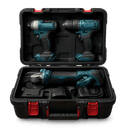
Tools & Equipment
Can help repair or replace hand tools, power tools, and gear that are stolen or damaged on the job or in transit.

Goods in Transit
May cover products, materials, and merchandise while they are being shipped or hauled between locations in your care.
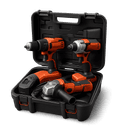
Contractors Equipment
Typically covers heavy machinery like excavators, loaders, and generators against theft or damage at job sites and between them.

Installation Floater
Can help cover materials and fixtures from the moment you buy them until they are installed and accepted at a project.

Builders Risk
May cover a structure under construction, along with materials on site, against damage from fire, wind, theft, and vandalism.
Inland Marine Insurance Cost in Las Vegas
Average Cost in Nevada
$20 - $100
per month
Businesses in Nevada typically see inland marine insurance premiums of $20 - $100 per month, which tends to run close to the national range of $20 - $100 per month.
- Total insured value of the scheduled property
- Type and age of the equipment
- Where it is stored and how far it travels
- Jobsite security and theft prevention
- Per-item limits and deductibles
- Prior theft and in-transit losses
Contact CPK Insurance for a personalized quote.
Prices shown are general estimates, not guaranteed rates or quotes. Your actual premium will depend on the insurer, coverage selected, business details, location, claims history, and other underwriting factors. Learn about our pricing methodology.
For Nevada businesses, the cost is shaped by the state's above-average premium environment and by the way your property moves. Pricing can vary widely depending on coverage limits, deductibles, claims history, location, industry or risk profile, and policy endorsements. In a state with a large insurer market and above-average premiums, pricing can differ meaningfully by carrier even when the underlying coverage need looks similar. That means two quotes for the same equipment list may not look alike.
Nevada's operating environment also affects underwriting. Wildfire and earthquake are both rated high in the state's climate profile, extreme heat is also high, and flash flooding is moderate. Those high ratings mean carriers may apply tighter limits, higher deductibles, or specific exclusions for property stored in vulnerable areas. These conditions can increase the chance that mobile property is stored outdoors, exposed during transport, or moved urgently between sites. A contractor working across Clark County, Washoe County, or Carson City may face different exposure patterns than a business that keeps equipment in one secured warehouse.
Nevada has 82,600 businesses and a large small-business base, so many buyers are balancing cost with flexibility. The strongest pricing levers usually are the amount of property scheduled, how high the deductible is, whether you add endorsements, and whether your business has prior claims. If you want a more precise quote, be ready to describe each category of mobile property, where it is stored overnight, and how often it moves between Nevada job sites and customer locations.
What Makes Las Vegas Different
Concentration is what changes the calculus here. In many places, inland marine is mainly about distance between locations. Here, the bigger issue is how often your property moves through crowded commercial settings, temporary venues, and fast turnover workdays. You are more likely to have repeated loading dock activity, shared parking areas, subcontractor handoffs, and property sitting briefly before the next install or appointment. That means a quote should be built around movement patterns, not just a list of items. If your crews carry tools from stop to stop, if your staff transports equipment into client spaces, or if your inventory is staged offsite before use, ask for item classes and limits that fit those routines. The goal is not to insure every possible asset the same way. It is to identify the property whose loss would interrupt revenue first, then make sure those items are described, valued, and scheduled correctly.
Our Recommendation for Las Vegas
Start with a movement map of your property for a normal week. List what stays at your main location, what rides in vehicles, what is left at temporary sites, and what is carried into customer premises. That exercise usually shows where a basic property policy stops helping and where inland marine should pick up. If you use specialized gear, avoid broad estimates. Use current replacement values, note serial-numbered equipment, and separate owned, rented, and customer property so the quote reflects real exposure. If your work depends on employee-carried devices or kits, ask whether unnamed coverage is enough or whether scheduled items make more sense. Las Vegas buyers should also review peak-value days, not just average days. A trade show setup, multi-stop service route, or large delivery day can put much more property in motion than usual. Build limits around those heavier days, then request a quote that matches how your operation actually moves.
Get Inland Marine Insurance in Las Vegas
Enter your ZIP code to compare inland marine insurance rates from carriers in Las Vegas, NV.
Business insurance starting at $25/mo
FAQ
Frequently Asked Questions
Las Vegas businesses that move tools, equipment, inventory, or client property between locations are the clearest fit. In a dense local operating environment, mobile property changes hands often, so you should review transit, temporary location, and scheduled equipment limits carefully.
Las Vegas contractors and service firms should schedule the items that would stop work fastest if lost or damaged, especially specialized tools, diagnostic equipment, and materials carried to temporary sites. Start with property that is expensive to replace and hard to rent quickly.
Clark County's mix matters because professional, scientific, and technical services are 14.4%, health care and social assistance 12.5%, and retail trade 12.1%. That concentration points to portable equipment, stocked goods, and mobile service property that often needs inland marine review.
Las Vegas offices are not limited to construction exposures. If you carry instruments, laptops tied to field work, diagnostic devices, or client property off premises, inland marine may be worth reviewing because standard property coverage often centers on a fixed location.
Las Vegas buyers should ask how the quote treats property in transit, at temporary locations, in employee vehicles, and during loading or unloading. If your operation has peak-value days, provide those totals so limits reflect the most property you move at one time.
In Nevada, it may help cover business property that is moving between job sites, customer locations, or temporary storage, including tools, equipment, materials, and goods in transit. The exact scope depends on the carrier and the scheduled items.
It is meant to follow mobile property away from your fixed location, so property at a job site or in temporary storage may be included if your policy is written for that exposure. In Nevada, storage conditions matter because wildfire, flash flooding, and extreme heat can affect where and how property is kept.
Contractors, installers, service businesses, and any company that regularly moves valuable property across Nevada job sites or cities should review it. Businesses in construction, retail transport, and mobile service work often have the clearest need.
Sources
- 1.U.S. Census Bureau, County Business Patterns, Clark County(Clark County has 53,591 business establishments, so you are working in a dense operating environment where tools, mobile equipment, and customer property change hands and locations constantly.; Clark County's business mix includes professional, scientific, and technical services at 14.4%, health care and social assistance at 12.5%, and retail trade at 12.1%, so a large share of local businesses rely on portable equipment, diagnostic devices, display property, stocked inventory, or specialized tools that leave a fixed premises.)
Updated July 5, 2026





