







































Updated July 16, 2026

Commercial Truck Insurance in Reno
Things move quickly when you are growing. You sign a warehouse lease east of downtown, add a box truck for local delivery, or pick up a new contract that pushes your drivers across Sparks, the airport area, and I-80 in the same week. At that point, your policy stops being a generic line item and becomes an operations review. You need the policy to match how your units are garaged, who drives them, what they haul, and whether you run under your own authority or through a larger carrier. In Washoe County, certificates, contract insurance requirements, and vendor onboarding requests show up often enough that weak limits or missing endorsements can slow down paid work. Retail deliveries, service calls, medical-related routes, and time-sensitive pickups around the industrial corridors each carry different exposure that your policy should address. Before you request quotes, gather your vehicle schedule, driver list, radius of operation, and any lease or shipper insurance requirements. Organized documents let you compare liability limits, deductibles, and cargo options side by side so the differences stand out clearly.
Commercial Truck Insurance Risk Factors in Reno
Reno's top risk factors include Wildfire risk, Drought conditions, Power shutoffs, and Air quality events.
Nevada has a moderate climate risk rating. Top hazards: Wildfire (High), Earthquake (High), Extreme Heat (High), Flash Flooding (Moderate). The state's expected annual loss from natural hazards is $320M, which influences commercial truck insurance premiums and may affect coverage availability in high-risk areas.
What Commercial Truck Insurance Covers
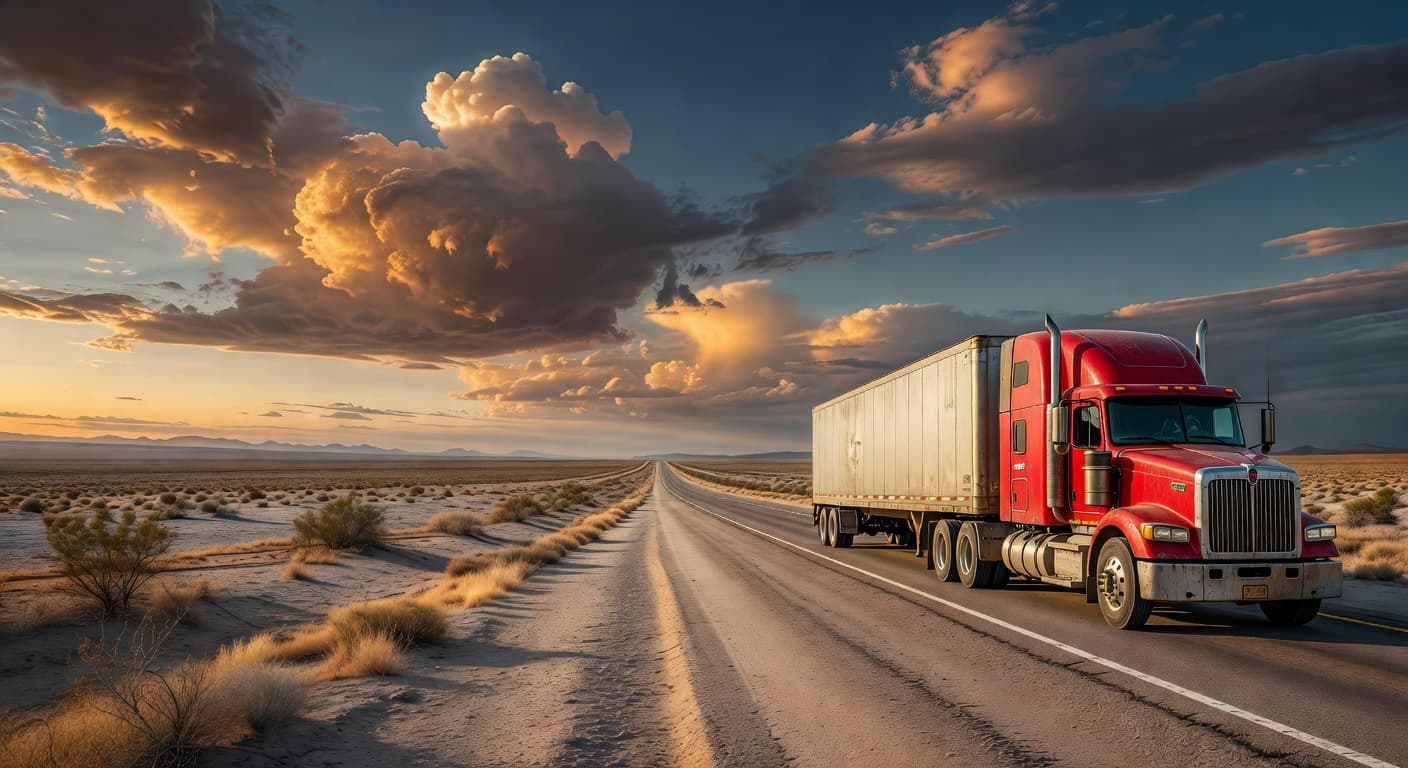
Commercial truck insurance in Nevada is built around the coverages most trucking operations actually need. These typically include motor carrier liability, physical damage, cargo coverage, trailer interchange, bobtail coverage, and non-trucking liability. In Nevada, those coverages sit on top of the state's commercial auto minimums, while federal freight rules may require higher liability limits depending on what you haul. General freight carriers are commonly tied to the federal $750,000 liability minimum, and hazardous materials can require much more. Your final limit should reflect the load type, shipper requirements, and route exposure.
Motor carrier liability is the core protection for third-party injury or damage from trucking operations. Physical damage coverage may help pay for repair or replacement after a collision or other covered loss. Cargo coverage is important if you move freight through high-traffic corridors or across long desert routes where delays, theft, or transit damage can create exposure. Trailer interchange applies when you use non-owned trailers under agreement. Bobtail or non-trucking liability is relevant when the truck is operating without a trailer or outside dispatch. Nevada-specific underwriting may also pay attention to wildfire, extreme heat, and flash-flood conditions because those hazards can affect storage, routing, and loss potential. Coverage details vary by carrier, but the policy should be matched to your freight, equipment, and operating radius.
Coverage Included

Motor Carrier Liability
Can help cover injuries and property damage your truck causes to others, a coverage federal regulators require most for-hire carriers to maintain.
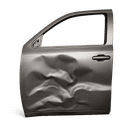
Physical Damage
Can help pay to repair or replace your own truck after an accident, fire, theft, or vandalism.
Cargo Coverage
May pay for damage to or theft of the freight you are hauling while it is in your care.
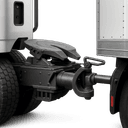
Trailer Interchange
Can help cover damage to trailers you haul under an interchange agreement but do not own.
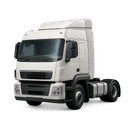
Bobtail Coverage
May provide liability protection when you drive your tractor without a trailer attached, such as after dropping off a load.

Non-Trucking Liability
Can help cover accidents that happen when you use your truck for personal errands rather than dispatched work.
Commercial Truck Insurance Cost in Reno
Average Cost in Nevada
$390 - $1,125
per month
Businesses in Nevada typically see commercial truck insurance premiums of $390 - $1,125 per month, which tends to run 1% below the national range of $400 - $1,125 per month.
- Radius of operation
- Commodities hauled and cargo value
- Number and value of power units
- Driver motor vehicle records and CDL experience
- DOT safety record, inspections, and FMCSA scores
- Liability limits and physical damage deductibles
Contact CPK Insurance for a personalized quote.
Prices shown are general estimates, not guaranteed rates or quotes. Your actual premium will depend on the insurer, coverage selected, business details, location, claims history, and other underwriting factors. Learn about our pricing methodology.
Local pricing can land above the national baseline. Several Nevada factors can push a quote up or down, including coverage limits and deductibles, claims history, location, industry or risk profile, and policy endorsements. A truck based near Las Vegas, Reno, or other high-traffic areas may price differently than a unit running lower-density routes, especially if the carrier weighs congestion, theft exposure, or roadside loss history.
Nevada's climate and loss environment also play a role. Wildfire, earthquake, and extreme heat risks are all rated high, while flash flooding is moderate. Those conditions can influence how insurers view storage, routing, and physical damage exposure. The state's 2023 fatal crash rate of 1.38 per hundred million vehicle miles traveled means carriers price Nevada highway liability with real crash severity in mind, which can push liability premiums higher than in states with lower crash rates. The uninsured driver rate of 10.2 percent also helps explain why liability planning is important for trucking operations that spend time on busy highways. Because many active insurers compete in the state, quotes can vary widely by carrier appetite, truck type, and operating authority. A personalized quote is the only reliable way to compare your actual premium.
Industries & Insurance Needs in Reno
Washoe County's business mix changes what many local truck policies need to contemplate. Professional, scientific, and technical services account for 13.4% of county establishments, while retail trade and health care and social assistance each represent 10.8%. So a truck here is not always tied to long-haul freight. It may support retail replenishment, mobile service operations, equipment transport, pharmacy or medical-related deliveries, or scheduled runs between offices, clinics, and customers. That affects how you should present the account to an agent. A policy built around broad assumptions can miss the real exposure if your truck carries tools, temperature-sensitive goods, higher-value equipment, or makes frequent stops in dense commercial areas. Ask for the quote to reflect your actual use class, cargo or equipment profile, parking location, and driver routine. If your operation mixes service work with delivery work, say that clearly before binding.
What Makes Reno Different
Local hauling contracts are what change the buying calculus here. Truck owners are not just insuring a vehicle. They are trying to stay eligible for jobs, leases, and vendor lists that require proof of coverage on short notice. The conversation shifts from bare minimum compliance to paperwork readiness. If your truck supports a contractor, distributor, retailer, or service company, the practical question is whether your policy can satisfy the insurance language you see in agreements without forcing a rewrite every time a new client asks for a certificate. Match your named insured details, additional insured requests, lienholder information, and liability limits against the contracts you actually sign. If you wait until a customer asks for proof, you may find out too late that the policy structure does not fit the work you are already booking.
Our Recommendation for Reno
Start with the way the truck earns revenue this week, not the way you described it when you first bought it. A second driver, a new garaging address, faster delivery schedules, or a move from occasional hauling into daily route work all change the risk picture and warrant a rebuilt quote. If your truck supports retail, service, or health-related deliveries, describe the cargo and stop frequency in plain terms so the classification is reviewed carefully. Keep copies of leases, shipper agreements, and any insurance requirements beside your vehicle list before you shop. If employees ever use personal vehicles for errands tied to the business, hired and non-owned auto may help cover that exposure. If you are unsure whether a contract request is reasonable, you can also compare it against guidance from the Nevada Division of Insurance before you bind or renew.
Get Commercial Truck Insurance in Reno
Enter your ZIP code to compare commercial truck insurance rates from carriers in Reno, NV.
Business insurance starting at $25/mo
FAQ
Frequently Asked Questions
Reno truck owners should start with the vehicle schedule, VINs, driver information, garaging address, radius of operation, and any lease or customer insurance requirements. That lets the quote reflect how the truck is actually used, not a generic delivery profile.
Reno businesses should update the policy as soon as the truck is purchased, leased, or reassigned to paid work. Waiting can create problems with certificates, lender requirements, physical damage review, and driver scheduling if the unit is already on the road.
Washoe County has **13,985 business establishments**, which means roughly one in every nine working-age residents runs or staffs a company that could become your next contract. Certificate accuracy, named insured details, and limit review become part of the buying decision, not just an afterthought.
Reno operations should expect customer type to matter because route patterns, cargo, stop frequency, and time sensitivity can change the exposure. A truck serving retail restocks may need a different review than one moving tools or medical-related supplies.
Washoe County's leading sectors include professional, scientific, and technical services at 13.4%, plus retail trade and health care and social assistance at 10.8% each. That mix tells you which industries are most likely to hand you a delivery or service contract, so your quote can be built around the routes and cargo types those clients actually generate.
It can be built around motor carrier liability, physical damage, cargo coverage, trailer interchange, bobtail coverage, and non-trucking liability, depending on whether you run long haul, regional, or local routes in Nevada.
Nevada's commercial auto minimums are $25,000/$50,000/$20,000, but trucking limits may need to be higher based on freight contracts, federal rules, and the way your operation is structured.
Your actual quote depends on limits, deductibles, claims history, location, risk profile, and endorsements, and Nevada's higher premium index can also affect pricing.
Sources
- 1.U.S. Census Bureau, County Business Patterns, Washoe County(Washoe County has 13,985 business establishments, so truck owners often run into lease, vendor, and customer paperwork requirements.; Washoe County's business mix changes what many local truck policies need to contemplate. Professional, scientific, and technical services account for 13.4% of county establishments, while retail trade and health care and social assistance each represent 10.8%.)
- 2.Nevada Division of Insurance(If you are unsure whether a contract request is reasonable, you can also compare it against guidance from the Nevada Division of Insurance before you bind or renew.)
Updated July 16, 2026





