







































Updated July 16, 2026

Dealer Open Lot Insurance in Reno
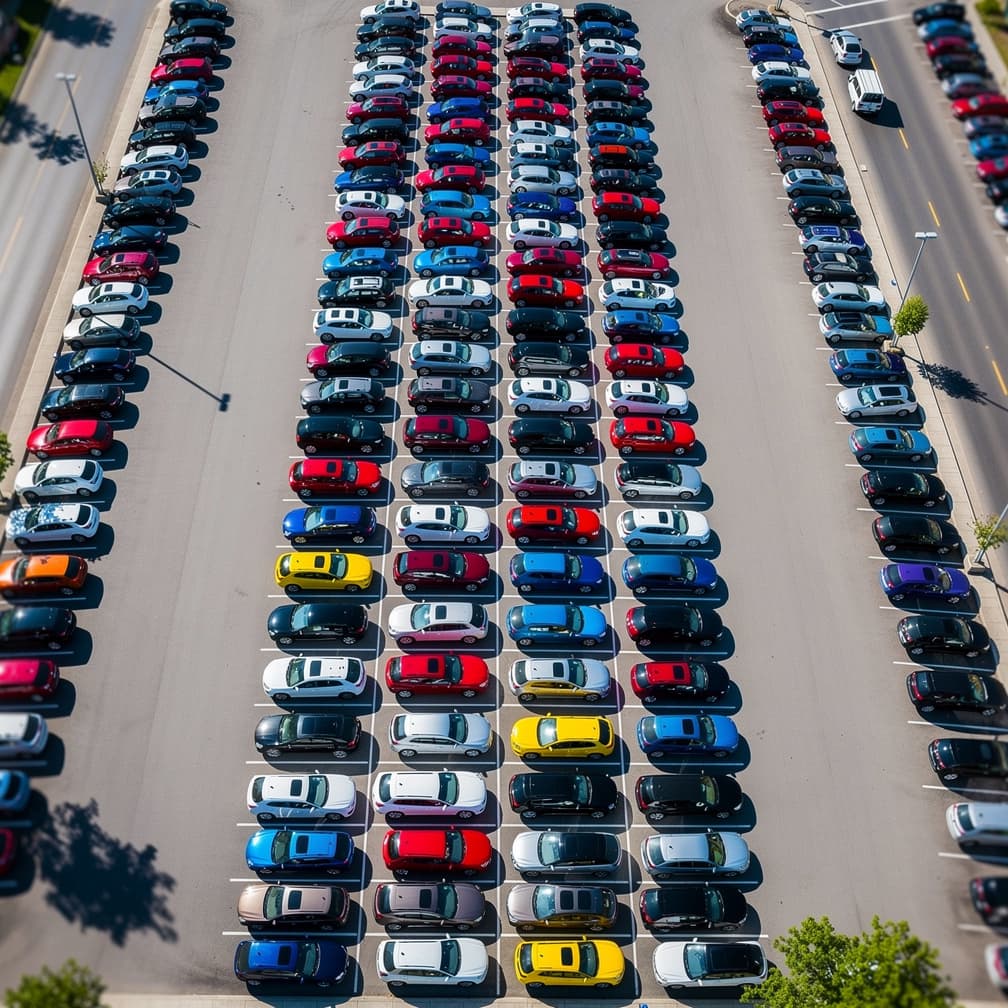
A wind event pushes dust and debris across your front row, then a fast-moving hail cell leaves dents on multiple units before your staff can reposition anything under cover. That is the local loss scenario your policy needs to answer, especially if your inventory sits fully exposed during showing hours, transport staging, or overflow storage. Here, the issue is not just how many vehicles you carry. Your lot layout, the speed at which weather shifts across an open sales line, and whether your reporting keeps pace as units move between the main lot, a side parcel, and temporary holding space all shape the real exposure. If you sell higher-value pickups, SUVs, or late-model used inventory, one concentrated weather loss can tie up working capital and delay retail turns at the same time. When you review a quote, walk through peak unit counts, maximum values on the ground, fencing and lighting, key control, and every place vehicles are parked overnight so the policy matches your actual operation.
Dealer Open Lot Insurance Risk Factors in Reno
Open-air inventory is the local issue. A dealer here often displays vehicles on broad, visible frontage with little natural protection, so a single weather event can damage many units at once instead of one or two scattered vehicles. That changes the buying decision: you should review not only total inventory value, but also how tightly units are parked, whether overflow vehicles sit on a separate parcel, and how quickly staff can move high-value inventory when conditions turn. If your operation uses more than one storage area, ask whether each location is scheduled correctly and whether temporary movement between addresses is handled clearly. Also review your **catastrophe deductible**, any per-location limit, and whether your **peak seasonal inventory** ever exceeds the values you reported. Dealer open lot coverage works best when the carrier sees the same lot map and storage practice your team uses every day.
Nevada has a moderate climate risk rating. Top hazards: Wildfire (High), Earthquake (High), Extreme Heat (High), Flash Flooding (Moderate). The state's expected annual loss from natural hazards is $320M, which influences dealer open lot insurance premiums and may affect coverage availability in high-risk areas.
What Dealer Open Lot Insurance Covers
Dealer open lot can help protect your titled inventory from physical damage, theft, and loss while it sits on your lot or moves through your sales process. What separates one Nevada policy from another is usually not the basic cause of loss. It is the way your inventory is spread across locations and handled during the sales process. A dealership with one paved lot and locked indoor key storage presents a different underwriting picture than an operation that rotates units between a main frontage lot, a reconditioning area, and an overflow yard. That is why your policy review should focus on where each vehicle is kept, who can access it, and when it leaves the scheduled premises, meaning the specific addresses listed and approved on your policy.
You should ask how the policy treats vehicles stored offsite, units waiting at repair vendors, and inventory moved between lots you control. If your operation relies on temporary overflow storage, get those addresses reviewed before binding rather than assuming they are automatically included. The same goes for vehicles in transit between locations or sent out for detailing, service, or auction preparation.
Nevada buyers should also review how the policy handles practical lot conditions. Outdoor inventory can be exposed to wind, fire, theft, and vandalism, but the claim outcome often turns on documentation and scheduling details. Keep photos of storage layouts, gate access procedures, and key logs. If you use a third party for transport or storage, request written contracts that show who is responsible while the vehicle is in that party's care.
Coverage Included

Weather Damage
Covers hail, wind, flood, and storm damage to lot inventory.
Theft Protection
Covers vehicles stolen from your lot.
Fire Damage
Covers fire and explosion damage to inventory vehicles.

Vandalism
Covers intentional damage to vehicles on your lot.
Test Drive Coverage
Covers vehicles during customer and employee test drives.
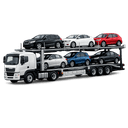
Transit Coverage
Covers vehicles being moved between lot locations.
What Makes Reno Different
Weather concentration is what changes the calculus here. On many dealer lots, inventory is displayed in dense rows for visibility and quick buyer access, which means one hail or wind-driven debris event can affect a large share of your sale units in the same afternoon. That is different from a risk profile built around isolated vehicle movement or occasional test drives. What matters is accumulation: how much value sits outside at one time at one address with no meaningful shelter. If your operation also rotates units through detail space, overflow parking, or a nearby holding area, the exposure is not just the number of cars you own but how values cluster during the week. A thorough review captures your highest total lot value, your highest single-unit value, and your busiest storage pattern. Then it checks whether the policy limit and location schedule still fit before the next weather event tests them.
Our Recommendation for Reno
Build your quote around the highest values you actually carry, not an average month that understates exposure. If your lot mix includes newer trucks, performance vehicles, or financed units with higher book values, ask how peak inventory is handled and whether temporary spikes need to be reported. Map every place vehicles sit after hours, including overflow rows, service-adjacent parking, and any off-site storage you use during busy buying periods. From there, look at the physical controls that underwriters care about. Fencing, gate procedures, camera placement, lighting, key security, and who can move units after closing all affect how a policy is priced and structured. If your sales model depends on keeping more vehicles outside for visibility, ask for a side-by-side comparison of limits, deductibles, and location treatment rather than focusing only on price. That gives you a cleaner way to judge whether the quote fits your actual lot operations.
Get Dealer Open Lot Insurance in Reno
Enter your ZIP code to compare dealer open lot insurance rates from carriers in Reno, NV.
Business insurance starting at $25/mo
FAQ
Frequently Asked Questions
Reno dealers should list every place inventory sits overnight, how units move between those addresses, and the highest total value parked at each one. That helps the quote reflect real accumulation instead of assuming all vehicles stay on one main sales lot.
Reno weather can change the limit discussion because open-air inventory can be hit in one concentrated event. Review your highest total lot value, not just your average count, and check whether overflow storage creates a second accumulation point.
Washoe County has 13,985 business establishments. With that many companies operating, dealer inventory often changes hands through financing, vendor, and commercial relationships at a pace that can outpace paperwork. Keeping current proof of coverage and accurate location details ready before inventory shifts or storage expands can help you avoid gaps when transactions move quickly.
Washoe County is led by professional, scientific, and technical services at 13.4%, with retail trade and health care and social assistance each at 10.8%. Those sectors depend heavily on employees having reliable transportation, which can translate into steadier demand for the dependable used vehicles many dealers stock. If your inventory leans toward commuter-friendly sedans and crossovers, that demand pattern may support keeping higher counts in those categories on the ground.
Reno median household income is $78,448. Buyers at that income level often shop for newer or higher-value used vehicles, which can push your average unit value upward over time. If your mix is trending that direction, confirm your per-unit limit and total lot limit still reflect the most expensive inventory you keep exposed for sale.
CPK Insurance is a marketplace that may match your request with participating licensed providers. Start your quote today.
Landlords, floorplan lenders, and some auction or storage partners may ask for proof before they release space, funding, or vehicles. You should confirm that the proof matches every location where inventory can be stored, not just your main sales lot.
Address accuracy matters. If you use overflow storage, vendor yards, or a second lot, ask for those locations to be reviewed in the quote so the policy reflects where inventory actually sits overnight.
Sources
- 1.U.S. Census Bureau, County Business Patterns, Washoe County(Washoe County has 13,985 business establishments, so local dealers often operate in a market where vehicles move through financing, vendor, and commercial relationships quickly.; Washoe County is led by professional, scientific, and technical services at 13.4%, with retail trade and health care and social assistance each at 10.8%, so many buyers depend on daily vehicle access.)
- 2.U.S. Census Bureau, ACS 5-Year Estimates, table B19013(Reno median household income is $78,448, which can support demand for newer or higher-value used vehicles.)
Updated July 16, 2026





