Updated July 16, 2026

On-Hook Towing Insurance in Reno
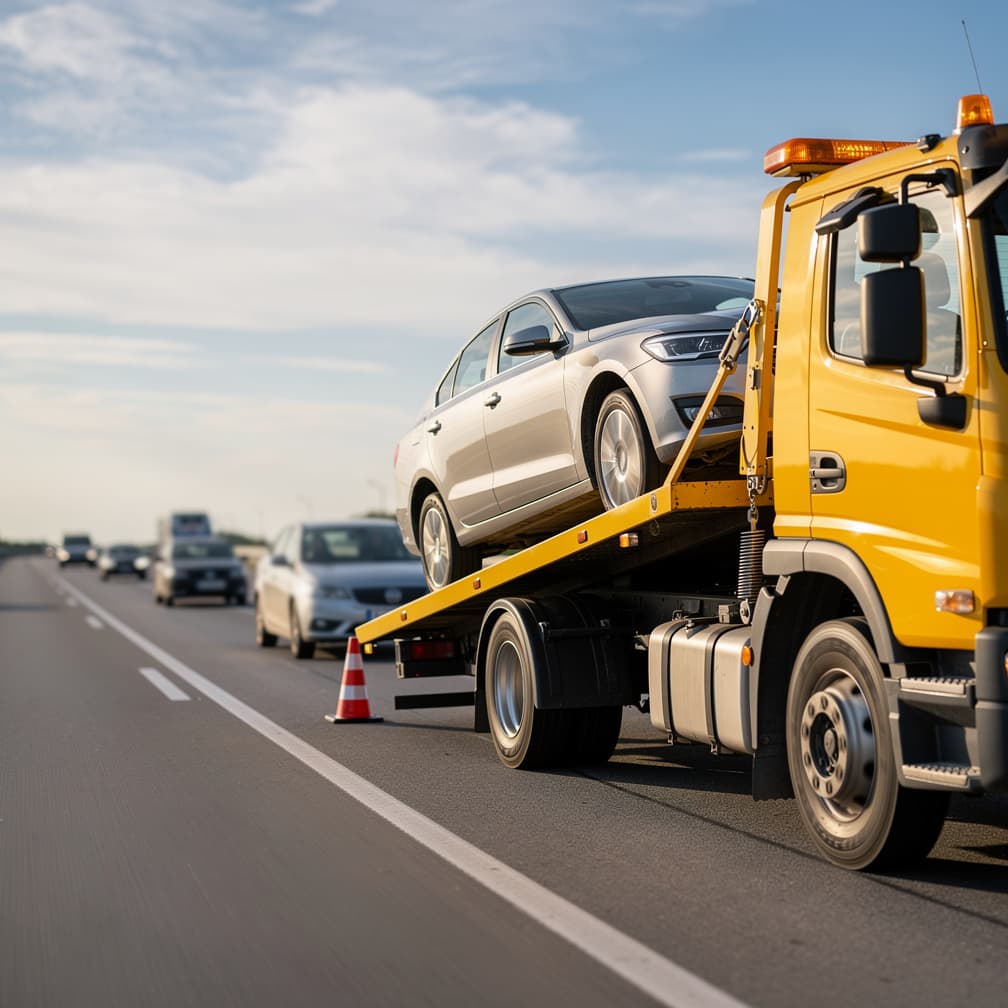
A disabled SUV comes off I-80 after a crash, reaches your hook in traffic, and then takes a second hit while you are loading on the shoulder. That is exactly the kind of loss your policy may be reviewed for, because the claim turns on what happens to a customer's vehicle while it is attached to your truck or on your bed. Here, the local towing picture is shaped by a broad commercial base across Washoe County, with 13,985 business establishments, which means your calls can come from a wider mix of industries than a typical operator might expect. That footprint means your calls can range from retail parking lots and medical campuses to office properties and vendor-managed fleets. The mix of vehicles, pickup locations, and certificate requirements tends to shift with each account you take on. A useful quote review should reflect how your operation actually splits among police rotation work, private property impounds, roadside assistance, dealer moves, and light-duty transport. Bring your unit list, garaging details, operating radius, and the highest-value vehicles you are willing to tow, then compare your on-hook coverage against the jobs you want to keep.
On-Hook Towing Insurance Risk Factors in Reno
Reno's top risk factors include Wildfire risk, Drought conditions, Power shutoffs, and Air quality events.
Nevada has a moderate climate risk rating. Top hazards: Wildfire (High), Earthquake (High), Extreme Heat (High), Flash Flooding (Moderate). The state's expected annual loss from natural hazards is $320M, which influences on-hook towing insurance premiums and may affect coverage availability in high-risk areas.
What On-Hook Towing Insurance Covers
Buyers usually approach this coverage by asking a narrower question: at what point does responsibility for the customer vehicle shift to your operation, and how will that be documented if damage is alleged after pickup or before delivery? That matters in a state where many towing businesses handle a mix of roadside dispatches, private property removals, storage-yard transfers, and longer repositioning work between metro areas. Your policy review should focus on the moments where disputes start, not on generic definitions you already know.
For a towing company, the practical issue is whether your limits and endorsements fit the vehicles and situations you actually accept. A light-duty operator handling commuter vehicles around Las Vegas may face a different exposure pattern than a mixed fleet that also moves pickups, vans, or higher-value units for repair shops and auctions. If you perform impounds or recovery work, ask how your policy may respond when a vehicle already has prior damage, when keys are unavailable, or when loading conditions are poor. Those details often decide whether a claim is straightforward or contested.
You should also review how your insurer expects you to document condition at pickup, securement method, destination handoff, and any delay before release. In Nevada, dry conditions, dust, and long stretches between stops can make post-loss documentation more important because small damage allegations can turn into larger disputes once the vehicle changes hands again. Ask for clear wording on towing methods that may be covered, excluded situations, reporting expectations, and whether your chosen limit is enough for the most expensive vehicle you are willing to move on a routine day.
Coverage Included

Collision on Hook
Covers damage to towed vehicles from collisions during transport.
Comprehensive on Hook
Covers theft, fire, and weather damage to vehicles being towed.
Loading & Unloading
Covers damage during the process of loading and unloading vehicles.
Winching Coverage
Covers damage to vehicles during winching and recovery operations.

Multiple Vehicle
Covers all vehicles on multi-car carriers and rollback flatbeds.
Industries & Insurance Needs in Reno
Washoe County's business mix changes who may ask you to move vehicles and what kind of property you are entering. Professional, scientific, and technical services account for 13.4% of county establishments, while retail trade and health care and social assistance each represent 10.8%, so a local towing operator may work around office campuses, shopping centers, clinics, and medical offices in the same week. That matters for on-hook exposure because pickup conditions differ by site. A tight retail lot, a structured medical campus entrance, and a managed office property each create different loading space, traffic flow, and documentation expectations after a loss. If those accounts are part of your book, ask for a quote review that considers where vehicles are actually hooked, whether you tow after hours, and whether your current on-hook limit still fits the passenger vehicles, SUVs, and light trucks you are being asked to handle.
What Makes Reno Different
The range of vehicles and pickup environments your dispatch sees in a day matters more than you might assume. In a market tied to a large county business base, a towing company may not be doing one predictable kind of work all day. You might clear a disabled commuter vehicle in the morning, handle a private property tow for a retail client later, and move a customer vehicle from a service location before the day ends. On-hook claims are shaped by the moment of attachment, loading conditions, and the value of the vehicle in your care. Reno also sits in a household market with a median household income of $78,448, which means late-model SUVs and loaded pickups are common enough that a bare-minimum limit may not absorb a realistic total loss. If your current policy was set around older units or lower-value tows, review whether your limit still matches the vehicles you actually accept before a larger loss tests it.
Our Recommendation for Reno
Start with the vehicles you actually agree to tow. If you regularly take late-model pickups, SUVs, or dealer and shop referrals, ask your agent to pressure-test your limit against your highest-value routine tow, then against the occasional outlier you may still accept. Next, separate your work by pickup environment. Freeway shoulder recoveries, apartment and retail impounds, repair-facility transfers, and roadside assistance calls do not create the same loading conditions. Mapping those distinctions up front helps your agent or carrier build a quote around your real exposure rather than a generic tow operation. If you serve commercial accounts, keep sample contract language and certificate requests on hand so your agent can verify your policy meets what clients actually require. Finally, compare policy terms before renewal if your dispatch area, truck list, or client mix changed over the last year, because coverage gaps are easier to fix before a damaged customer vehicle becomes a disputed claim.
Get On-Hook Towing Insurance in Reno
Enter your ZIP code to compare on-hook towing insurance rates from carriers in Reno, NV.
Business insurance starting at $25/mo
FAQ
Frequently Asked Questions
Look at the highest-value vehicles you actually accept, then compare that number to your current limit. With local work tied to a broad Washoe County commercial base, your routine tow mix may be wider than your policy assumptions.
Washoe County has 13,985 business establishments, which means a Reno operator may tow for offices, retailers, medical sites, and property managers across many pickup environments. That spread can affect loading conditions, client certificate requests, and the limit you should review.
Gather your truck list, garaging address, operating radius, driver details, loss history, and the highest-value vehicles you will tow. If commercial accounts are involved, bring certificate requests or contract language so your agent can confirm your policy fits what the job actually demands.
They can, because local household purchasing power affects what may be on the road. With median household income at $78,448, it is worth checking whether your current limit still fits the vehicles you are willing to take.
Landlords, storage operators, municipal clients, lenders, and contract partners often ask for proof before approving a yard agreement or vendor packet. Bring your truck schedule, service mix, and requested limits to the quote process so the certificate reflects the work you actually accept.
Most start with the highest value vehicle they are willing to move on a normal day, then test that against each truck's assignments. If your dispatch mix changes, review the limit before taking on more expensive or specialized units.
Buyers can use the Nevada Division of Insurance to verify licensing and review consumer guidance while comparing options. That step helps you confirm the company side of the transaction before you bind a policy built around your towing operation.
Underwriters usually want your truck list, driver details, service radius, loss history, towing methods, and the types of vehicles you handle. If you perform impounds, recovery work, or dealer transfers, separate those activities so the quote is built accurately.
Sources
- 1.U.S. Census Bureau, County Business Patterns, Washoe County(Washoe County has 13,985 business establishments, so your calls can range from retail parking lots and medical campuses to office properties and vendor-managed fleets.; Professional, scientific, and technical services account for 13.4% of county establishments, while retail trade and health care and social assistance each represent 10.8%, so a local towing operator may work around office campuses, shopping centers, clinics, and medical offices in the same week.)
- 2.U.S. Census Bureau, ACS 5-Year Estimates, table B19013(Reno also sits in a household market with a median household income of $78,448, so you should assume some customer vehicles on your route are worth more than a bare-minimum limit comfortably absorbs.)
Updated July 16, 2026