







































Updated July 16, 2026

Commercial Truck Insurance in Concord
A lot of local truck insurance decisions start right before work expands. You add a box truck for deliveries, sign a downtown lease that requires proof of coverage, or take on a contractor account that wants higher liability limits before the first load moves. Concord operations often serve more than one type of customer in the same week, from storefront deliveries to job-site runs. If your schedule mixes local stops with countywide work, the details that matter most are who drives, where units sit overnight, and how cargo or tools are secured between stops.
The county has 4,249 business establishments. That density translates into a steady pipeline of customers, vendors, and property owners who may ask for certificates, additional insured status, or higher contractual limits before access is granted.
Commercial Truck Insurance Risk Factors in Concord
Concord's top risk factors include Winter storm damage, Ice dam damage, Frozen pipe bursts, and Snow load collapse.
New Hampshire has a low climate risk rating. Top hazards: Winter Storm (High), Nor'easter (Moderate), Flooding (Moderate), Wildfire (Low). The state's expected annual loss from natural hazards is $120M, which influences commercial truck insurance premiums and may affect coverage availability in high-risk areas.
What Commercial Truck Insurance Covers
Your policy is built around the way your trucking business actually moves freight across the state, whether that means box trucks in Manchester, tractor-trailers on the Seacoast, or dump trucks and flatbeds serving job sites near Concord and the Lakes Region. The core protections are motor carrier liability, physical damage, cargo coverage, trailer interchange, bobtail coverage, and non-trucking liability insurance, and each one can be selected or limited based on your operation. New Hampshire does not add a special statewide trucking policy mandate, but businesses still need to meet federal freight standards and any shipper or broker requirements that apply to their loads. For general freight, the federal minimum liability benchmark is $750,000, while hazardous materials can require $1 million to $5 million, and many contracts ask for higher limits. Your policy also needs to reflect winter-storm and flooding exposure, because weather-related incidents can affect collision losses, cargo damage, and downtime.
Cargo insurance is typically a separate section, so it should be checked against the type of freight you haul and the value of each load. Physical damage coverage is important if you finance equipment or operate newer tractors, especially when winter roads and stop-and-go traffic increase collision risk. Bobtail coverage matters when a truck is being driven without a trailer and outside dispatch, while non-trucking liability is designed for certain off-duty use patterns. Trailer interchange coverage becomes relevant when you move trailers under contract with another party, which is common in some long-haul and regional arrangements. Because New Hampshire businesses are regulated by the New Hampshire Insurance Department, it is smart to confirm your policy terms, especially if your routes, cargo, or fleet size change during the year.
Coverage Included

Motor Carrier Liability
Can help cover injuries and property damage your truck causes to others, a coverage federal regulators require most for-hire carriers to maintain.
Physical Damage
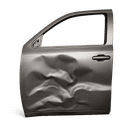
Can help pay to repair or replace your own truck after an accident, fire, theft, or vandalism.
Cargo Coverage
May pay for damage to or theft of the freight you are hauling while it is in your care.
Trailer Interchange
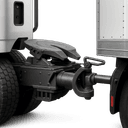
Can help cover damage to trailers you haul under an interchange agreement but do not own.

Bobtail Coverage
May provide liability protection when you drive your tractor without a trailer attached, such as after dropping off a load.

Non-Trucking Liability
Can help cover accidents that happen when you use your truck for personal errands rather than dispatched work.
Commercial Truck Insurance Cost in Concord
Average Cost in New Hampshire
$360 - $1,050
per month
Businesses in New Hampshire typically see commercial truck insurance premiums of $360 - $1,050 per month, which tends to run 8% below the national range of $400 - $1,125 per month.
- Radius of operation
- Commodities hauled and cargo value
- Number and value of power units
- Driver motor vehicle records and CDL experience
- DOT safety record, inspections, and FMCSA scores
- Liability limits and physical damage deductibles
Contact CPK Insurance for a personalized quote.
Prices shown are general estimates, not guaranteed rates or quotes. Your actual premium will depend on the insurer, coverage selected, business details, location, claims history, and other underwriting factors. Learn about our pricing methodology.
Your cost is shaped by the active carrier market and the specific risk profile of your trucking operation. Actual quotes depend on limits, deductibles, claims history, location, industry risk, and endorsements, so monthly cost can vary widely by operation. That means a fleet running winter routes through Concord, Dover, or along the coast may be priced differently from a local hauler with shorter mileage and lighter freight exposure. New Hampshire's climate profile also matters, with winter storms rated high, nor'easters moderate, and flooding moderate, so insurers may scrutinize collision exposure and cargo transit more closely in seasonal weather.
Weather conditions are a major crash cause in the state, and that can influence your quote, especially for carriers with frequent highway miles or night driving. The state also has an uninsured driver rate of 6.1%, which means roughly six in 100 drivers lack coverage. If one of those drivers hits your truck, your uninsured motorist protection may bear more of the load, and some carriers factor that into pricing. Claims history is especially important in a competitive market, because some carriers may be more selective about fleets with prior losses or frequent repairs. Endorsements for trailer interchange, cargo insurance, or non-trucking liability can add cost depending on how you use the equipment. If your business is small, your quote may also be influenced by whether you run one truck, a handful of tractors, or a mixed local delivery operation.
Industries & Insurance Needs in Concord
Merrimack County's business mix changes what many truck policies need to contemplate. Construction accounts for 13.2% of establishments, retail trade 13%, and other services 12.7%, so a truck here is often not just hauling freight linehaul style. It may be delivering materials to a job site, moving inventory to a storefront, or carrying tools and equipment for service work. That matters because the exposure shifts with the operation: frequent backing, loading at customer premises, employee drivers making multiple short stops, and equipment left in or on the vehicle between jobs. If your book of business touches those county sectors, ask for a quote that separates liability, physical damage, cargo or inland marine where appropriate, and any endorsements tied to attached equipment or non-owned vehicles. A policy built for long-haul assumptions can miss the way many local commercial vehicles are actually used.
What Makes Concord Different
Many insureds here are not pure trucking companies with one route pattern and one cargo profile. They are contractors, retailers, and service businesses using pickups, vans, dump units, or box trucks as part of a broader operation. Merrimack County's leading sectors are construction at 13.2%, retail trade at 13%, and other services at 12.7%. In practical terms, roughly four in ten local jobs involve building, selling, or servicing, so trucks here tend to make frequent stops and carry tools or inventory rather than running linehaul freight. Your insurance review should start with the business model behind the vehicle, not just the vehicle class.
A contractor's dump truck, a florist's delivery van, and a service company's utility body can all need commercial auto, but the underwriting questions differ. Where units are garaged, how far they travel, who drives them, what equipment is attached, and whether employees use personal vehicles for errands can all change what should be quoted. If your current policy was set up quickly when you bought the truck, it is worth matching classifications, endorsements, and certificates to the work you actually perform.
Our Recommendation for Concord
Look at your contracts and daily dispatch pattern first. If customers, landlords, or general contractors ask for certificates before work begins, have your agent review liability limits, additional insured requests, and whether your policy can support fast certificate turnaround without mismatching the named insured. Then map each vehicle to its real use, whether that is delivery, hauling materials, service calls, or mixed duty. That process can surface gaps around employee drivers, attached equipment, and property carried in the truck that may belong on inland marine rather than auto alone.
Concord's median household income is $83,701, above the national median. Clients here tend to expect reliable, professional service and may scrutinize vendors before letting them on site. Before renewing, gather loss runs, driver lists, garaging addresses, and a sample certificate request so the quote reflects how your operation is presented to customers.
Get Commercial Truck Insurance in Concord
Enter your ZIP code to compare commercial truck insurance rates from carriers in Concord, NH.
Business insurance starting at $25/mo
FAQ
Frequently Asked Questions
Concord operations often serve more than one type of customer in the same week, from storefront deliveries to job-site runs. That mixed use can change how liability, physical damage, hired and non-owned auto, and equipment-related endorsements should be reviewed.
Merrimack County has 4,249 business establishments, so many local trucks operate in vendor-heavy environments where certificates and contract requirements matter. That can affect the limits, endorsements, and named-insured setup you should request on a quote.
Merrimack County's leading sectors are construction at 13.2%, retail trade at 13%, and other services at 12.7%. That mix points to frequent stops, loading at customer premises, and vehicles carrying tools, materials, or inventory rather than only linehaul freight.
Concord businesses should ask whenever employees rent vehicles, use personal cars for errands, or mix company trucks with occasional non-owned vehicles. That exposure is common in contractor, retail, and service operations that do not fit a single-vehicle-use pattern.
Concord applicants should bring driver lists, vehicle schedules, garaging addresses, loss runs, and sample contract insurance requirements. If a customer asks for certificates before work starts, include that request so the quote reflects how coverage needs to function operationally.
In New Hampshire, this coverage can be built around your core protections, so the policy can fit local hauling, regional delivery, or long-haul freight.
Coverage is regulated by the New Hampshire Insurance Department, and the commercial auto minimums are listed as $25,000/$50,000/$25,000, but freight carriers may also need to meet federal liability minimums and shipper contract requirements.
The range is about $360 to $1,050 per month per truck, and the final price depends on limits, deductibles, claims history, location, industry risk, and endorsements.
Sources
- 1.U.S. Census Bureau, County Business Patterns, Merrimack County(The county has 4,249 business establishments, so trucks here often interact with a broad mix of customers, vendors, and property owners who may ask for certificates, additional insured status, or higher contractual limits before access is granted.; Construction accounts for 13.2% of establishments, retail trade 13%, and other services 12.7%, so a truck here is often not just hauling freight linehaul style.)
- 2.U.S. Census Bureau, ACS 5-Year Estimates, table B19013(Concord's median household income is $83,701, so many households and businesses here expect reliable, professional service and may scrutinize vendors before letting them on site.)
Updated July 16, 2026





