







































Updated July 5, 2026

Garage Keepers Insurance in Concord
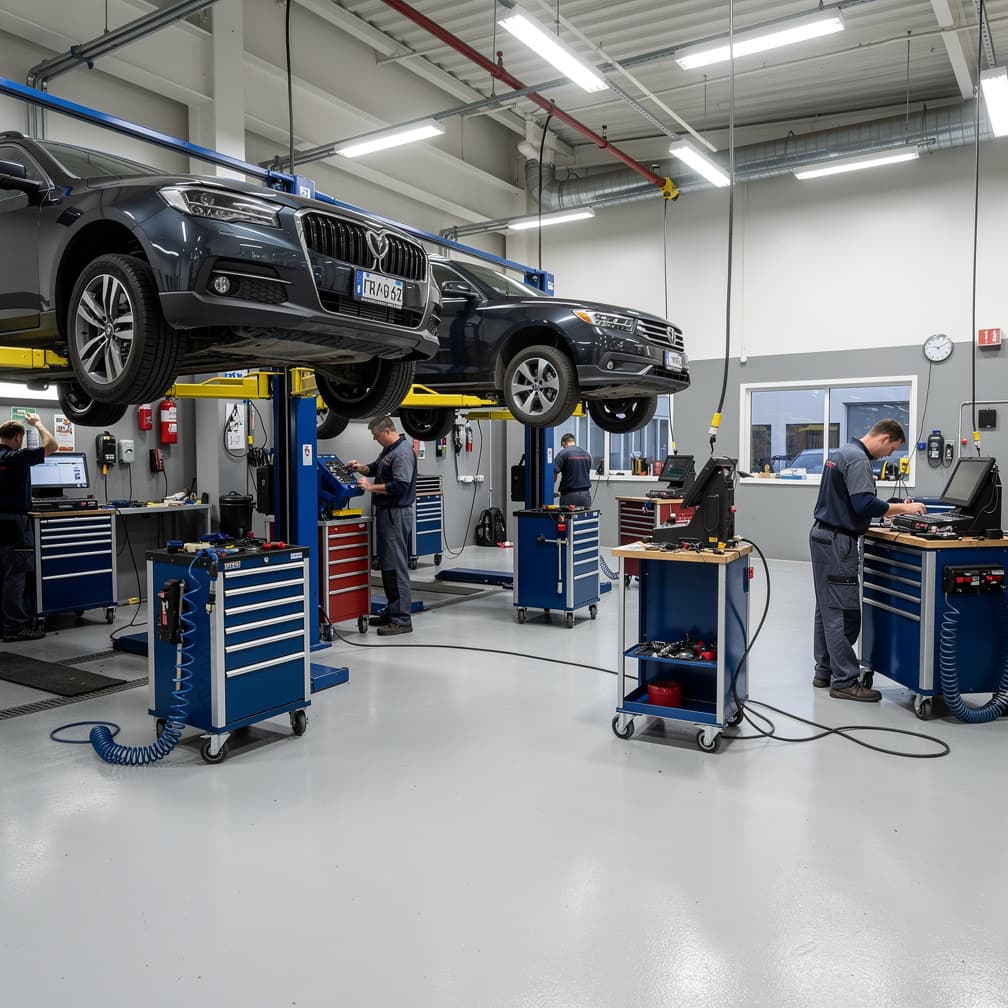
Do you need a separate policy for customer cars your shop holds here? Yes, if you take possession of customer vehicles, garage keepers insurance in Concord is the coverage to review alongside your broader garage operation policies. The local question is less about the state rulebook and more about how vehicles move through your lot, bays, and after-hours storage.
A shop near downtown, a service garage along Loudon Road, or a body operation serving commuters from surrounding towns can all have the same core issue: customer autos stay in your care while keys, parking layout, and handoff procedures are under your control. That makes your intake process, key security, and where vehicles sit overnight more important than a generic checklist. Concord also serves as a county hub, so you may see a mix of routine maintenance, retail-adjacent traffic, and contractor vehicles that stay longer while parts or approvals are pending. If that sounds like your operation, ask for a quote that matches how many customer vehicles you hold at one time, who can move them, and whether any units are left outside after business hours.
Garage Keepers Insurance Risk Factors in Concord
Concord's top risk factors include Winter storm damage, Ice dam damage, Frozen pipe bursts, and Snow load collapse.
New Hampshire has a low climate risk rating. Top hazards: Winter Storm (High), Nor'easter (Moderate), Flooding (Moderate), Wildfire (Low). The state's expected annual loss from natural hazards is $120M, which influences garage keepers insurance premiums and may affect coverage availability in high-risk areas.
What Garage Keepers Insurance Covers
Your lot layout and intake routine tell an underwriter more than a generic checklist ever could. A small repair shop with a fenced outdoor area faces a different claims argument than a restoration shop that keeps higher-value vehicles indoors for longer periods. When customer vehicles stay overnight, review whether your policy terms line up with where those vehicles are actually parked, how frequently they get repositioned, and which employees have access to keys.
You also need to look closely at the handoff points where disputes start. After-hours drop boxes, weekend storage, snow-season backups, and sublet work can all create gaps in documentation if your process is loose. Ask how damage is handled when a vehicle arrives after business hours, whether photos are required at intake, and how the file shows who last moved the vehicle before a reported loss. A claim often turns on when the vehicle was moved, who held it, and what shape it was in at each step.
The New Hampshire Insurance Department regulates insurance in the state, so keep policy comparisons tied to forms and terms that apply here. Ask for any unclear exclusions to be explained in writing. That is especially important when your operation mixes repair, storage, towing, detailing, or dealer service work under one roof.
Coverage Included

Collision Coverage
Covers damage to customers' vehicles from collisions while in your care.

Comprehensive Coverage
Covers theft, vandalism, fire, and weather damage to customers' vehicles.
Specified Perils
Covers only specifically named perils at a lower premium.

Legal Liability
Covers damage you or your employees directly cause to a customer's vehicle.

Direct Primary
Pays regardless of fault, the broadest garage keepers coverage available.
Industries & Insurance Needs in Concord
Merrimack County's business mix changes the conversation because local garages often serve more than one type of customer in the same week. The county has 4,249 business establishments, and its leading sectors by establishment share are Construction 13.2%, Retail trade 13%, and Other services (except public administration) 12.7%, so your shop may handle a blend of personal vehicles, light commercial units, and work trucks tied to nearby employers and small operators.
That matters because garage keepers exposure is shaped by turnover, vehicle type, and how long each unit stays in your custody. A quick oil-change flow creates one handling pattern. A repair backlog on contractor pickups creates another. If your customer base includes retail workers, service businesses, and construction trades, ask your agent to review peak vehicle count, where larger units are parked, and whether employees road-test or reposition customer vehicles during the day.
What Makes Concord Different
County-hub traffic is the main thing that changes the calculus here. Concord is not just serving neighborhood drivers. It also pulls in vehicles connected to a wider Merrimack County business base, which can make your custody exposure less predictable from day to day. One week may be mostly personal autos. The next may include vans, pickups, or work vehicles that stay on site while owners wait on parts, approvals, or scheduling.
That shift matters because garage keepers insurance works best when the quote reflects your actual holding pattern, not just your shop type. If your lot fills unevenly, if customer vehicles are parked in more than one area, or if employees move units several times before pickup, those details should be discussed up front. The goal is simple: match coverage review to how vehicles are stored, accessed, and returned here, especially if your operation serves both local households and county-area businesses.
Our Recommendation for Concord
Start with your vehicle custody map. List where customer autos are parked during intake, active repair, overnight storage, and pickup, then note who has access to keys at each step. That gives you a cleaner garage keepers discussion than a broad description like "auto shop" or "repair garage."
Next, separate your customer mix by use, not just by count. Concord's median household income is $83,701, so you may serve owners who expect clear documentation, careful handoff procedures, and prompt resolution if a vehicle is damaged while left with you. That makes written check-in photos, signed intake notes, and documented movement rules worth reviewing with your quote request.
Finally, ask for terms to be reviewed around inside versus outside storage, employee handling, and any periods when vehicles remain on site after work is complete. If your operation changes seasonally or you occasionally hold more vehicles than usual, say that before binding coverage, not after a claim.
Get Garage Keepers Insurance in Concord
Enter your ZIP code to compare garage keepers insurance rates from carriers in Concord, NH.
Business insurance starting at $25/mo
FAQ
Frequently Asked Questions
Concord repair shops should review it any time customer vehicles stay in your care beyond a quick handoff. If you park, store, move, or hold keys for customer autos, your quote should reflect those custody steps and where vehicles sit after hours.
Concord body shops often serve a wider Merrimack County customer base, and the county has 4,249 business establishments, so you may see a broader mix of personal and work vehicles. That can change turnover, storage time, and how many units are on site at once.
Concord garages need the quote to match the vehicles you actually hold. Merrimack County's leading sectors include Construction 13.2%, Retail trade 13%, and Other services 12.7%, so your shop may handle both household cars and business-use vehicles with different storage patterns.
Concord auto shops should have a current estimate of peak customer vehicle count, overnight storage details, key-control procedures, and whether employees move or road-test vehicles. Those operating details usually matter more than a generic description of your business.
Concord households have a median income of $83,701, so many customers expect organized intake records and clear communication. For your shop, that makes check-in photos, signed condition notes, and documented pickup procedures practical steps to review with coverage.
Repair shops should review it whenever customer vehicles stay in your care, even briefly. The core question is whether your intake, storage, and handoff records can hold up if a customer claims damage happened on your lot.
Landlords may ask for proof that customer vehicle exposures are addressed before a lease is finalized. Bring the lease requirements into the quote process so the policy review matches what the property owner expects.
Buyers usually get a better quote by submitting a lot diagram, intake procedure, key control rules, overnight storage details, and employee vehicle-handling practices instead of only basic business information.
Sources
- 1.U.S. Census Bureau, County Business Patterns, Merrimack County(Merrimack County has 4,249 business establishments.; Merrimack County's leading sectors by establishment share are Construction 13.2%, Retail trade 13%, and Other services (except public administration) 12.7%.)
- 2.U.S. Census Bureau, ACS 5-Year Estimates, table B19013(Concord median household income is $83,701.)
Updated July 5, 2026





