








































Updated July 5, 2026

Inland Marine Insurance in Concord
A tighter local market changes how you shop for inland marine insurance in Concord. You may see fewer carriers willing to quote specialized mobile property classes, and underwriters often look closely at how you store, schedule, and move equipment between your shop, customer locations, and temporary job sites. In practice, that means relationships and documentation matter more here than broad online forms. If a GC, landlord, lender, or municipal buyer asks for proof of coverage, you want your equipment list, values, and transit habits ready before the request slows a job or delivery.
That local dynamic fits the county business base around the capital. Merrimack County has 4,249 business establishments, so a lot of buyers, subcontractors, and property managers know the operators they hire and expect clean certificates and clear descriptions of what is actually covered. Inland marine works best when the schedule matches reality: contractor tools in trailers, retail inventory moving between locations, or customer property in your care off premises. Here, the buying decision is less about adding another policy and more about making sure portable property is described precisely enough that a claim does not turn into an argument over where the item was supposed to be.
Inland Marine Insurance Risk Factors in Concord
Portable property claims here often turn on **movement and temporary storage**, not just weather. If your tools stay overnight in a van near a job site, your materials sit in a partially secured area, or your equipment rotates between a shop, a storage unit, and customer premises, the exposure changes every time the property changes hands or location. That is the local risk to focus on. The practical review is straightforward. Separate property that travels daily from property that usually stays at one address. Identify any items that are borrowed, rented, or owned by employees but used for your work. Note whether you need blanket coverage for smaller tools or **scheduled limits for higher value equipment**. If you handle customer property, describe when it is in transit, when it is being installed, and when it is waiting at a temporary site. Those details usually matter more than a generic request for "tool coverage."
New Hampshire has a low climate risk rating. Top hazards: Winter Storm (High), Nor'easter (Moderate), Flooding (Moderate), Wildfire (Low). The state's expected annual loss from natural hazards is $120M, which influences inland marine insurance premiums and may affect coverage availability in high-risk areas.
What Inland Marine Insurance Covers
In New Hampshire, this coverage is designed for business property that is mobile, offsite, or in transit over land, including tools, equipment, materials, and goods moving between locations. It is especially relevant when property is at a customer site, in temporary storage, or being transported through places like Concord, Portsmouth, Keene, or the I-93 and I-89 corridors. The policy can be structured around several types of mobile property depending on what your operation actually moves. New Hampshire does not provide a state-mandated form or minimum limit, so the coverage is generally shaped by the policy, endorsements, and carrier underwriting rather than a fixed statewide template. It commonly addresses theft, damage, vandalism, and other covered perils while property is away from your fixed business location, but the exact exclusions and sublimits vary by policy. Because New Hampshire businesses often work through winter storms, temporary storage, and changing job sites, the details of where property is kept overnight, how it is secured, and whether it is installed or awaiting installation can affect how the policy is built.
Coverage Included
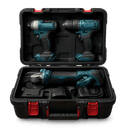
Tools & Equipment
Can help repair or replace hand tools, power tools, and gear that are stolen or damaged on the job or in transit.

Goods in Transit
May cover products, materials, and merchandise while they are being shipped or hauled between locations in your care.
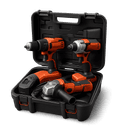
Contractors Equipment
Typically covers heavy machinery like excavators, loaders, and generators against theft or damage at job sites and between them.
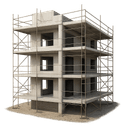
Installation Floater
Can help cover materials and fixtures from the moment you buy them until they are installed and accepted at a project.
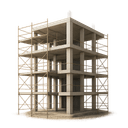
Builders Risk
May cover a structure under construction, along with materials on site, against damage from fire, wind, theft, and vandalism.
Inland Marine Insurance Cost in Concord
Average Cost in New Hampshire
$20 - $95
per month
Businesses in New Hampshire typically see inland marine insurance premiums of $20 - $95 per month, which tends to run 4% below the national range of $20 - $100 per month.
- Total insured value of the scheduled property
- Type and age of the equipment
- Where it is stored and how far it travels
- Jobsite security and theft prevention
- Per-item limits and deductibles
- Prior theft and in-transit losses
Contact CPK Insurance for a personalized quote.
Prices shown are general estimates, not guaranteed rates or quotes. Your actual premium will depend on the insurer, coverage selected, business details, location, claims history, and other underwriting factors. Learn about our pricing methodology.
Pricing for this coverage in New Hampshire varies by carrier, class of business, and the property being covered, with typical premiums starting at around $20 per month depending on your specific schedule and risk profile. New Hampshire's premium index of 102 means rates run about 2% above the national baseline, so you can expect quotes in a similar range to what businesses pay in most other states. Your cost may move up or down based on coverage limits, deductibles, claims history, location, industry or risk profile, and policy endorsements. That means a contractor moving high-value tools through winter weather in New Hampshire may see different pricing than a retailer shipping lighter mobile property between nearby locations. Geographic factors matter too: property stored near coastal areas, flood-prone zones, or areas with higher theft exposure may be rated differently than equipment kept in lower-risk inland locations. New Hampshire's severe storm history, including winter storms, Nor'easters, and flooding, can also influence underwriting questions even when the policy is focused on mobile property. If you are requesting a quote, carriers may ask what you move, how often it travels, where it is stored, and whether it is used at job sites, because those details help determine whether the policy should be broad or narrowly scheduled. In practice, the most accurate pricing comes from matching the policy to the actual movement pattern of the property rather than guessing at a generic limit.
Industries & Insurance Needs in Concord
The county industry mix is what makes this coverage more relevant here. In Merrimack County, construction accounts for 13.2% of establishments, retail trade 13%, and other services, except public administration, 12.7%, so a large share of local businesses either move tools, move stock, or take customer property away from a fixed premises. That changes the conversation from basic property insurance to where the property is during the workday.
If you are a contractor, ask whether small tools, larger scheduled equipment, and materials waiting for installation should be handled differently. If you are in retail, review inventory in transit between locations or at temporary selling setups. If you run a service business, think about customer items in your custody off site. The point is to match the form to the way property actually moves, because the county business mix creates more of those mobile-property situations than a purely office-based market would.
What Makes Concord Different
The key difference here is market tightness. In a smaller capital-city market, underwriters and local counterparties often expect a cleaner story about your operations before they are comfortable with mobile property exposure. That does not mean coverage is harder to place across the board. It means vague applications are more likely to stall, especially if your property moves between several addresses, sits in vehicles, or includes customer items.
That is why the most useful step is operational, not promotional. Build a simple schedule that shows what travels, approximate values, where it is kept overnight, and whether it is owned, rented, or belongs to a customer. If your business serves households in a market where median household income is $83,701, you may also be handling higher-value personal property, tools, or finish materials on site, so valuation discipline matters before a loss. The city difference is not a special rule. It is that clarity and proof tend to carry more weight in a smaller, relationship-driven buying environment.
Our Recommendation for Concord
Start with the property list, not the quote form. For a local inland marine review, group items by how they are used: hand tools and small equipment, larger scheduled equipment, materials in transit, installation exposures, and any customer property you take off premises. That structure gives an underwriter something usable and helps you avoid paying to insure the wrong category.
Next, review proof requirements before you sign the next contract or work order. In a smaller market, requests for certificates can come from people who already know the job, so delays stand out. If you use trailers, employee vehicles, or temporary storage, say so up front. If values spike seasonally, note that before renewal rather than after a purchase order lands. You can also ask whether blanket limits make sense for lower-value tools while scheduling only the items that would materially hurt cash flow if stolen or damaged. The goal is a quote built around movement, custody, and valuation, not a generic property add-on.
Get Inland Marine Insurance in Concord
Enter your ZIP code to compare inland marine insurance rates from carriers in Concord, NH.
Business insurance starting at $25/mo
FAQ
Frequently Asked Questions
Concord businesses often find fixed-location property insurance is not the whole answer once tools and materials leave the insured address. If your gear rides in vehicles, sits at temporary job sites, or moves between locations, ask for those situations to be reviewed specifically.
Concord contractors should list what travels, each item's approximate value, where it is stored overnight, and whether it is owned, rented, or borrowed. That detail matters in a tighter local market where underwriters often want a clear schedule before quoting mobile equipment.
Merrimack County has 4,249 business establishments, with construction at 13.2%, retail trade at 13%, and other services, except public administration, at 12.7%. That mix creates more situations where tools, stock, or customer property regularly leave a fixed premises.
Concord service businesses may need inland marine reviewed when customer property is picked up, transported, repaired, installed, or held temporarily away from your main location. The key is describing when the property is in your custody and where it is during each stage.
Concord's median household income is $83,701, so some jobs may involve higher-value finishes, fixtures, or customer belongings at the work site. If you work in occupied homes, review whether your limits and valuation method fit the property you actually handle.
In New Hampshire, inland marine insurance may help cover tools, equipment, building materials, electronics, and other business property while it is moving between locations, at a job site, or in temporary storage, depending on the policy wording and scheduled items.
It is designed to follow covered property away from a fixed business location, so items kept at a customer site, staging area, or temporary storage location in New Hampshire may be protected if the policy includes that exposure.
Contractors, electricians, plumbers, landscapers, installers, photographers, caterers, IT service providers, and any business moving valuable property across New Hampshire job sites or customer locations are common candidates.
Sources
- 1.U.S. Census Bureau, County Business Patterns, Merrimack County(Merrimack County has 4,249 business establishments.; In Merrimack County, construction accounts for 13.2% of establishments, retail trade 13%, and other services, except public administration, 12.7%.)
- 2.U.S. Census Bureau, ACS 5-Year Estimates, table B19013(Concord median household income is $83,701.)
Updated July 5, 2026





