Updated July 5, 2026

Car Insurance in Manchester
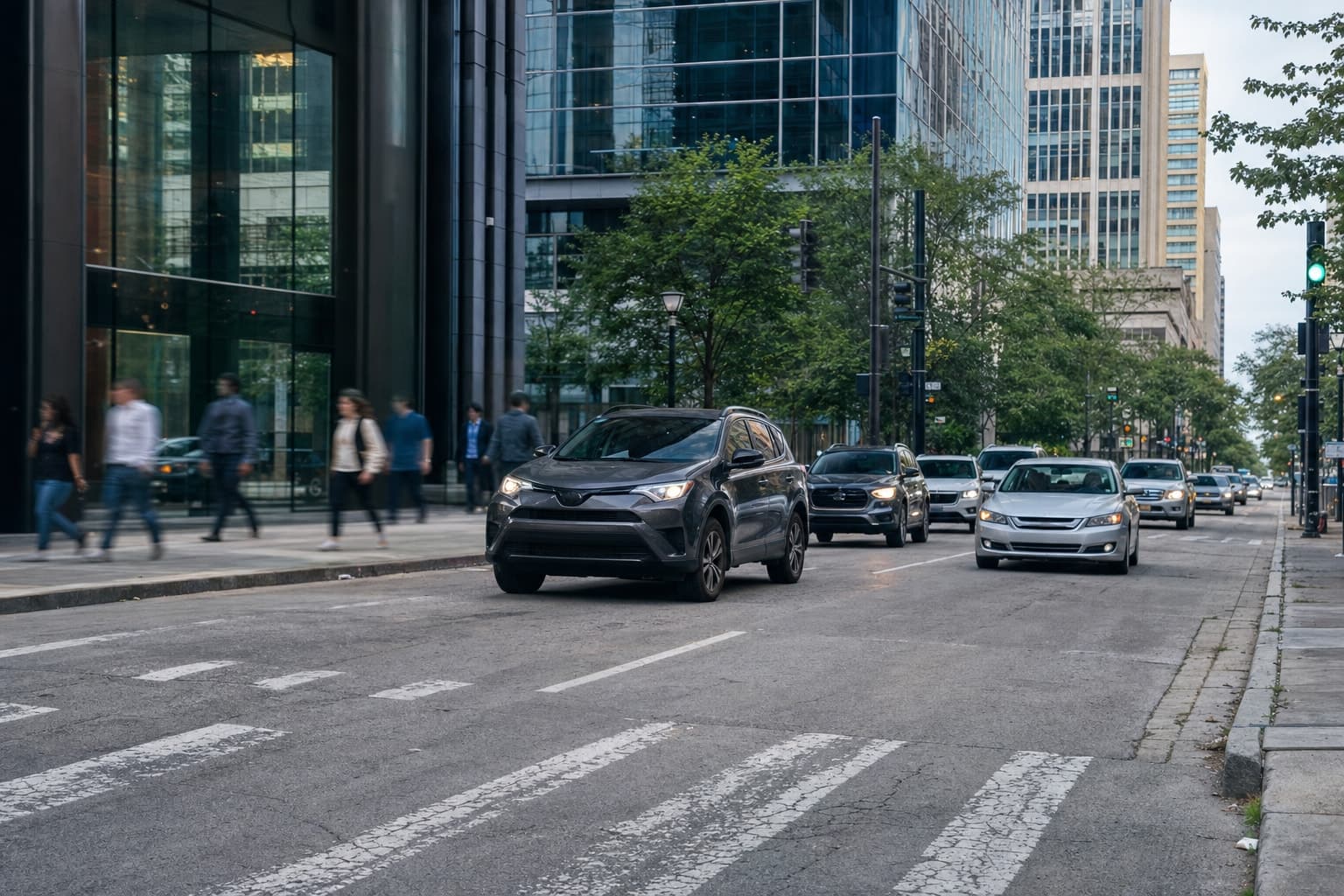
A slick pre-dawn merge onto I-293, a stop-and-go backup near the Everett Turnpike, or a snowy curb strike on a neighborhood street is the kind of loss event that makes car insurance in Manchester feel very practical, very fast. Here, your policy choice is shaped less by broad statewide averages and more by how often you drive through the city’s commuter corridors, parking lots, and winter street conditions. If your week includes downtown parking, school drop-offs, airport runs, or regular trips south toward Bedford and Nashua, you have more to review than a bare liability limit. Collision and comprehensive deserve a closer look if your vehicle would be expensive to repair or hard to replace out of pocket. That budget question is real locally too: Manchester median household income is $77,415, so many households need coverage that protects a working vehicle without pushing the premium beyond what the monthly budget can absorb. Before you shop, list your commute pattern, where the car sits overnight, and whether you could handle a larger deductible after a weather or traffic-related claim.
New Hampshire has a low climate risk rating. Top hazards: Winter Storm (High), Nor'easter (Moderate), Flooding (Moderate), Wildfire (Low). The state's expected annual loss from natural hazards is $120M, which influences car insurance premiums and may affect coverage availability in high-risk areas.
What Car Insurance Covers
A New Hampshire car insurance policy is built around the coverages you choose, and the local market gives you a real range of carriers and price points to compare. Liability can help cover injuries and damage you cause to others in an auto accident. Collision helps with repairs to your own vehicle after a crash, while comprehensive applies to non-collision losses such as theft, weather, and other covered events. That matters here because winter storm and nor'easter exposure is not theoretical. The state has a documented history of severe weather, so drivers in places like Concord, Nashua, and Portsmouth often look closely at comprehensive deductibles. Uninsured motorist protection is also important because roughly 6 out of every 100 drivers in the state lack insurance, which can affect how you think about protection after an accident with a driver who cannot pay. Medical payments can help with covered medical expenses after a crash, and rental reimbursement may help keep you mobile while your vehicle is being repaired.
A policy that works for a Manchester commuter may not be the right fit for a driver in a coastal or flood-prone area. State rules and carrier underwriting can vary, so review the policy language carefully before you bind coverage.
Coverage Included

Liability
Can help pay for injuries and property damage you cause to others in an accident, coverage most states require drivers to carry.

Collision
Can help pay to repair or replace your car after a crash with another vehicle or object, regardless of fault.

Comprehensive
Typically covers damage to your car from events other than collisions, such as theft, hail, fire, flooding, or hitting an animal.

Uninsured Motorist
May pay for your injuries and, in some states, car damage when an at-fault driver has no insurance or too little.

Medical Payments
Can help cover medical bills for you and your passengers after an accident, no matter who was at fault.
Rental Reimbursement
May pay for a rental car while your vehicle is in the shop for repairs after a covered claim.
Car Insurance Cost in Manchester
Average Cost in New Hampshire
$70 - $170
per month
In New Hampshire, car insurance premiums typically run $70 - $170 per month, which tends to run 29% below the national range of $110 - $230 per month.
- Driving record and age
- Vehicle make, model, and year
- Location and commute distance
- Credit-based insurance score
- Coverage limits and deductibles
Contact CPK Insurance for a personalized quote.
Prices shown are general estimates, not guaranteed rates or quotes. Your actual premium will depend on the insurer, coverage selected, personal details, location, claims history, and other underwriting factors. Learn about our pricing methodology.
The stated average range for car insurance in New Hampshire is $70 to $170 per month. The state's premium index means pricing is just slightly above the national average rather than dramatically higher or lower, so your final premium is usually driven more by your own profile and coverage choices than by the state alone. Coverage limits and deductibles are major pricing levers, and so are claims history, location, and policy endorsements. A driver in downtown Manchester or Nashua may see different pricing pressure than someone in a smaller community because local traffic, theft exposure, and commuting patterns differ. Winter weather and storm history can also influence how insurers evaluate risk.
The carrier field gives you room to compare quotes from multiple insurers. If you accept a higher deductible, your monthly cost may move lower. New Hampshire's 2023 average claim cost of $21,095 refers to the typical payout per collision claim, and alongside 28,000 total crashes, it tells you why even moderate-seeming accidents can push well past five figures in repair and medical costs. Many drivers compare their monthly premium against the out-of-pocket risk created by their deductible. The most accurate price comes from a personalized quote, because vehicle make and model, annual mileage, and your claims record can change the number significantly.
What Makes Manchester Different
Commuter density is what changes the calculus here. Manchester is not just a place where you keep a car parked for occasional errands. It is a working hub inside a larger county economy with 11,057 business establishments, so local roads carry employees, customers, service vehicles, and delivery traffic throughout the day. That matters because your exposure is tied to frequency and environment: more merges, more intersections, more parking maneuvers, and more time around other drivers who are also on a schedule. For a buyer, the takeaway is simple. You should build your quote around how the car is actually used, not around the minimum you think you can tolerate. A short commute through busy corridors can justify different deductibles and physical damage choices than a vehicle used lightly on weekends. If your household depends on one primary car, compare repair-cost tolerance against premium savings before dropping collision or raising deductibles too aggressively.
Our Recommendation for Manchester
Start with the vehicle and the route, then work backward into limits and deductibles. If you drive daily through downtown, highway connectors, or crowded retail areas, ask for a quote that lets you compare liability limits above the minimum alongside collision and comprehensive options. That gives you a cleaner view of what you are saving, and what risk you are keeping. If your car is older, do not assume physical damage coverage should automatically stay or go. Instead, compare the car’s replacement value, your emergency savings, and how disruptive it would be to lose the vehicle after a winter slide or intersection crash. If you have teen drivers, frequent parking exposure, or a financed vehicle, review deductibles carefully because a low premium can still leave you with an uncomfortable claim bill. Keep your declarations page from the current policy nearby and ask for a line-by-line comparison before you switch.
Get Car Insurance in Manchester
Enter your ZIP code to compare car insurance rates from carriers in Manchester, NH.
Car insurance starting at $59/mo
FAQ
Frequently Asked Questions
Manchester drivers should compare collision, comprehensive, and liability limits first, because local commuting means more merges, stop-and-go traffic, and parking exposure than an occasional rural trip. Then review deductibles against what you could actually pay after a claim.
Manchester households often balance vehicle dependence against monthly cash flow. With median household income at $77,415, it makes sense to test deductible options and physical damage coverage together, rather than cutting coverage first and discovering the out-of-pocket risk later.
Hillsborough County has 11,057 business establishments, so roads around Manchester carry steady employee, customer, and service traffic. That density can increase everyday crash and parking-lot exposure, which is a good reason to review how often and where you drive.
Manchester area driving is shaped by a county business mix led by retail trade at 13.6%, construction at 12.4%, and professional, scientific, and technical services at 11%. That mix supports varied commute times, jobsite travel, and commercial-area traffic, so usage details matter.
A commuter in the state's major cities should start with liability, collision, and comprehensive coverage, then add uninsured motorist and medical payments if the quote fits the budget.
Because winter storm and nor'easter exposure are part of the state's risk profile, many drivers review comprehensive coverage and choose deductibles they can afford if weather causes a claim.
Roughly 6 out of every 100 drivers in the state lack insurance, so this coverage can be an important layer of protection after an auto accident with a driver who lacks enough insurance to pay for the damage.
Coverage limits, deductibles, claims history, location, and policy endorsements are the biggest pricing factors, and your vehicle, mileage, and driving record also affect the quote.
Sources
- 1.U.S. Census Bureau, ACS 5-Year Estimates, table B19013(Manchester median household income is $77,415, so many households need coverage that protects a working vehicle without pushing the premium beyond what the monthly budget can absorb.)
- 2.U.S. Census Bureau, County Business Patterns, Hillsborough County(It is a working hub inside a larger county economy with 11,057 business establishments, so local roads carry employees, customers, service vehicles, and delivery traffic throughout the day.; Manchester area driving is shaped by a county business mix led by retail trade at 13.6%, construction at 12.4%, and professional, scientific, and technical services at 11%.)
Updated July 5, 2026