







































Updated July 16, 2026

Dealer Open Lot Insurance in Manchester
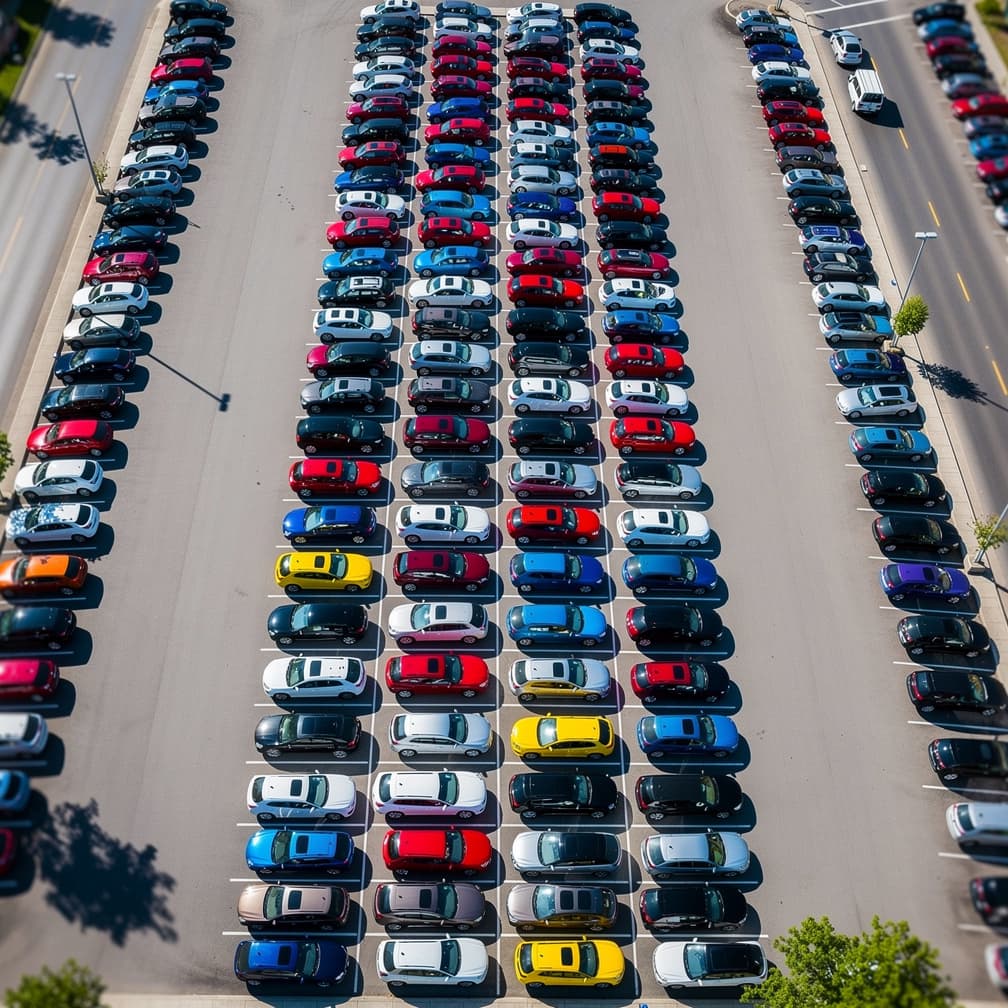
In Manchester, sale units often sit where commuter traffic, nearby retail activity, and frequent public pass-by make your lot easy to shop, but also easy to watch. Reviewing your policy here means looking past weather exposure alone. You also need to ask how openly inventory is displayed, how quickly units turn, and where overflow vehicles end up when the main lot is full.
Hillsborough County carries a dense commercial footprint, which means neighboring uses, shared access points, vendor traffic, and customer parking patterns can matter more than they might in a quieter market. If your frontage is busy, your lighting is uneven, or keys and transport procedures are informal, ask for a quote built around the way vehicles are actually parked, moved, and secured. A useful review should go beyond a checklist and dig into how the lot actually operates after hours and where high-value units sit relative to the street.
Dealer Open Lot Insurance Risk Factors in Manchester
Manchester's top risk factors include Winter storm damage, Ice dam damage, Frozen pipe bursts, and Snow load collapse.
New Hampshire has a low climate risk rating. Top hazards: Winter Storm (High), Nor'easter (Moderate), Flooding (Moderate), Wildfire (Low). The state's expected annual loss from natural hazards is $120M, which influences dealer open lot insurance premiums and may affect coverage availability in high-risk areas.
What Dealer Open Lot Insurance Covers
In New Hampshire, the coverage review usually gets more useful when you stop thinking only about a single damaged vehicle and start thinking about how a lot loss actually unfolds. A storm event can affect one row, a drainage problem can affect the lowest section of the property, and a break-in can involve keys, fencing, lighting, and several units touched in the same incident. That means your policy review should focus on where inventory sits during different seasons, how vehicles are moved after hours, and whether any units spend time at overflow storage, service areas, auction pickups, or temporary display locations.
You should also look closely at how the policy treats vehicles during ordinary dealership handling. That includes units being repositioned on the lot, moved between nearby storage areas, or taken out for a supervised test drive if your operation allows it. If your dealership carries higher value trucks, specialty vehicles, motorcycles, trailers, or mixed inventory, ask how limits and valuation apply by vehicle type rather than assuming every unit is treated the same way.
State oversight matters when you are comparing forms and endorsements. Policy language, complaint handling, and filing questions should be reviewed carefully before you bind coverage. As you compare options, ask for a plain explanation of exclusions, sublimits, deductible structure, off-premises treatment, and what documentation will be expected if several vehicles are damaged in one event.
Coverage Included

Weather Damage
Covers hail, wind, flood, and storm damage to lot inventory.

Theft Protection
Covers vehicles stolen from your lot.

Fire Damage
Covers fire and explosion damage to inventory vehicles.

Vandalism
Covers intentional damage to vehicles on your lot.

Test Drive Coverage
Covers vehicles during customer and employee test drives.
Transit Coverage
Covers vehicles being moved between lot locations.
Industries & Insurance Needs in Manchester
County business density is the local context that changes demand around a dealership more than a generic state discussion can. Hillsborough County has 11,057 business establishments, and its leading sectors by establishment share are retail trade at 13.6%, construction at 12.4%, and professional, scientific, and technical services at 11%, so many lots operate near active storefronts, contractor traffic, office users, and shared commercial corridors rather than in isolated auto rows.
For dealer open lot coverage, that matters because surrounding activity affects how inventory is accessed, observed, and exposed during the day and after hours. A lot next to retail can see more casual foot traffic. A site near contractor yards may deal with heavier vehicle movement and tighter shared entrances. Office-adjacent properties can have different evening vacancy patterns. When you request terms, describe neighboring occupancies, shared drives, overflow parking, and any off-hours vehicle movement between addresses so the policy review matches the way your inventory is actually staged.
What Makes Manchester Different
In a market where inventory is often displayed along active commercial routes, your exposure is shaped by how the lot functions in public view, not just by how many vehicles you own. Placement, access control, and storage discipline directly shape what an underwriter charges and what exclusions attach to your policy.
Think through the operational details an underwriter will care about. That includes whether units are left unlocked for merchandising, how keys are managed across buildings, where transporters stage loads, and what happens to overflow inventory during busy periods. Those details can determine whether a theft claim is paid in full or reduced for contributory negligence. If your operation relies on quick front-line presentation, ask for a policy review that separates display convenience from security practice, so your policy matches your actual lot routine.
Our Recommendation for Manchester
Photograph the lot from the street, note where the highest-value units sit after hours, and identify any blind spots around fencing, lighting, or camera coverage. If inventory ever moves between your main lot and another storage point, list both addresses and how often transfers happen before you ask for terms.
You should also review who has access to keys, whether test-drive procedures are documented, and how quickly sold units leave the lot after paperwork is signed. Median household income here is $77,415. Buyers in that range tend to shop both budget-friendly used cars and near-prime units, so your lot may carry a wider value spread at any given time. That mix can shift quickly, so ask whether your limits and valuation approach still fit the units you actually carry now, not the schedule you had last renewal. Bring your current inventory schedule, storage map, and any offsite details into the quote request.
Get Dealer Open Lot Insurance in Manchester
Enter your ZIP code to compare dealer open lot insurance rates from carriers in Manchester, NH.
Business insurance starting at $25/mo
FAQ
Frequently Asked Questions
Roadside visibility can change how your inventory is exposed to public access and after-hours observation. When you request terms, describe how the lot is laid out, what secures it overnight, and where premium units sit after dark.
Disclose every place sale units are kept, even if overflow storage is occasional. If vehicles move between addresses, ask for the storage setup, transfer routine, and security controls to be reviewed before binding coverage.
Hillsborough County has a large base of business establishments. Lots here often sit adjacent to active commercial neighbors, which raises the odds of shared-entrance disputes and after-hours foot traffic that your security setup needs to account for. That makes it worth documenting adjacent uses, parking flow, and any access points another business can influence.
This area shows retail trade at 13.6%, construction at 12.4%, and professional, scientific, and technical services at 11% by establishment share. Construction neighbors mean heavy-equipment traffic near your inventory, while retail neighbors mean customer parking that spills onto your lot after hours. Both patterns can create claim scenarios that a standard policy may not anticipate.
Revisit limits when inventory mix changes, especially if you are carrying newer or higher-value units than last term. Median household income is $77,415, which can support a broader buyer mix and a different on-lot value profile.
New Hampshire used car lots often keep sale units outdoors and move them between display, service, and overflow areas, so this coverage is usually worth reviewing. Policy wording and endorsements matter, especially if your inventory shifts between locations or seasonal storage setups.
New Hampshire policies may treat offsite storage differently depending on the form, location details, and how often units are moved. Ask for specific confirmation on overflow lots, temporary storage, and affiliated locations before binding so a later claim does not turn into a location dispute.
New Hampshire dealerships should review how weather exposure changes by season, especially where inventory sits near drainage areas, open frontage, or snow operations. The practical issue is not just one damaged vehicle, but whether one event could affect several units in the same section.
Sources
- 1.U.S. Census Bureau, County Business Patterns, Hillsborough County(Hillsborough County has 11,057 business establishments.; Hillsborough County's leading sectors by establishment share are retail trade 13.6%, construction 12.4%, and professional, scientific, and technical services 11%.)
- 2.U.S. Census Bureau, ACS 5-Year Estimates, table B19013(Manchester median household income is $77,415.)
Updated July 16, 2026





