








































Updated July 5, 2026

Inland Marine Insurance in Manchester
Commercial space and replacement costs here can push you to carry limits that match what your gear would cost to replace now, not what you paid a few seasons ago. With Manchester median household income at $77,415, labor and service pricing can shape repair and replacement bills, so a low deductible is not always the lowest-cost choice if one loss would still interrupt cash flow. That is where inland marine insurance in Manchester becomes a practical limit-and-deductible decision, especially if you move tools, diagnostic equipment, installation materials, or customer property between a shop, a van, and short-term work sites. In a compact city, property often changes hands quickly: loaded in the morning, staged briefly, then used or delivered the same day. That makes scheduling, valuation, and transit language worth reviewing line by line. Before you renew, match each class of mobile property to how it actually travels, where it sits during the day, and whether replacement cost or actual cash value fits your budget better.
Inland Marine Insurance Risk Factors in Manchester
Local movement is the risk factor that matters most here. If your property spends part of the day in vehicles, part at customer locations, and part in temporary staging areas, the exposure is not just transit, it is repeated loading, unloading, and short-term storage. In a city setting, that pattern can create small but frequent loss opportunities that a fixed-location property policy may not address the same way. For inland marine, the practical review is operational: who has custody of the item, how often it is left unattended between stops, whether tools are itemized or blanket-covered, and whether customer property is documented before pickup. If your crews cross neighborhood routes, make deliveries, or rotate equipment among multiple jobs in one week, ask for wording that matches that movement instead of assuming one broad description is enough.
New Hampshire has a low climate risk rating. Top hazards: Winter Storm (High), Nor'easter (Moderate), Flooding (Moderate), Wildfire (Low). The state's expected annual loss from natural hazards is $120M, which influences inland marine insurance premiums and may affect coverage availability in high-risk areas.
What Inland Marine Insurance Covers
In New Hampshire, this coverage is designed for business property that is mobile, offsite, or in transit over land, including tools, equipment, materials, and goods moving between locations. It is especially relevant when property is at a customer site, in temporary storage, or being transported through places like Concord, Portsmouth, Keene, or the I-93 and I-89 corridors. The policy can be structured around several types of mobile property depending on what your operation actually moves. New Hampshire does not provide a state-mandated form or minimum limit, so the coverage is generally shaped by the policy, endorsements, and carrier underwriting rather than a fixed statewide template. It commonly addresses theft, damage, vandalism, and other covered perils while property is away from your fixed business location, but the exact exclusions and sublimits vary by policy. Because New Hampshire businesses often work through winter storms, temporary storage, and changing job sites, the details of where property is kept overnight, how it is secured, and whether it is installed or awaiting installation can affect how the policy is built.
Coverage Included
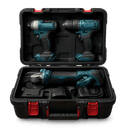
Tools & Equipment
Can help repair or replace hand tools, power tools, and gear that are stolen or damaged on the job or in transit.

Goods in Transit
May cover products, materials, and merchandise while they are being shipped or hauled between locations in your care.
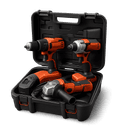
Contractors Equipment
Typically covers heavy machinery like excavators, loaders, and generators against theft or damage at job sites and between them.

Installation Floater
Can help cover materials and fixtures from the moment you buy them until they are installed and accepted at a project.

Builders Risk
May cover a structure under construction, along with materials on site, against damage from fire, wind, theft, and vandalism.
Inland Marine Insurance Cost in Manchester
Average Cost in New Hampshire
$20 - $95
per month
Businesses in New Hampshire typically see inland marine insurance premiums of $20 - $95 per month, which tends to run 4% below the national range of $20 - $100 per month.
- Total insured value of the scheduled property
- Type and age of the equipment
- Where it is stored and how far it travels
- Jobsite security and theft prevention
- Per-item limits and deductibles
- Prior theft and in-transit losses
Contact CPK Insurance for a personalized quote.
Prices shown are general estimates, not guaranteed rates or quotes. Your actual premium will depend on the insurer, coverage selected, business details, location, claims history, and other underwriting factors. Learn about our pricing methodology.
Pricing for this coverage in New Hampshire varies by carrier, class of business, and the property being covered, with typical premiums starting at around $20 per month depending on your specific schedule and risk profile. New Hampshire's premium index of 102 means rates run about 2% above the national baseline, so you can expect quotes in a similar range to what businesses pay in most other states. Your cost may move up or down based on coverage limits, deductibles, claims history, location, industry or risk profile, and policy endorsements. That means a contractor moving high-value tools through winter weather in New Hampshire may see different pricing than a retailer shipping lighter mobile property between nearby locations. Geographic factors matter too: property stored near coastal areas, flood-prone zones, or areas with higher theft exposure may be rated differently than equipment kept in lower-risk inland locations. New Hampshire's severe storm history, including winter storms, Nor'easters, and flooding, can also influence underwriting questions even when the policy is focused on mobile property. If you are requesting a quote, carriers may ask what you move, how often it travels, where it is stored, and whether it is used at job sites, because those details help determine whether the policy should be broad or narrowly scheduled. In practice, the most accurate pricing comes from matching the policy to the actual movement pattern of the property rather than guessing at a generic limit.
Industries & Insurance Needs in Manchester
County business mix is a useful signal for who should look closely at mobile property coverage. Hillsborough County has 11,057 business establishments, and the leading sectors by establishment share are retail trade at 13.6%, construction at 12.4%, and professional, scientific, and technical services at 11%. That mix matters because these operations often rely on stock in transit, contractor tools, testing devices, laptops, cameras, or client equipment away from the main premises. If your business fits one of those patterns, your quote should separate owned equipment, materials you install, and property of others in your care. A generic property schedule can miss how items actually move through pickups, deliveries, service calls, and temporary job sites across the county.
What Makes Manchester Different
Movement density is the main difference here. In Manchester, many businesses do not send property across long rural routes, they move it through a tight local service area with frequent stops, handoffs, and short dwell times in vehicles or temporary locations. That changes the buying calculus. You may need less focus on distance and more focus on how often property is loaded, unloaded, staged, or left in transit between appointments. For a contractor, that can mean tools shifting from shop to van to site in one day. For a retailer or service firm, it can mean inventory samples, diagnostic gear, or customer items moving on a daily route. The policy review should center on valuation, unattended vehicle terms, temporary storage language, and whether blanket limits are high enough for your busiest day, not your average day.
Our Recommendation for Manchester
Start with an inventory built around movement, not accounting categories. Separate tools and equipment, installation materials, leased items, and customer property, then note the highest total value you carry on a normal day and on your busiest day. If you use one vehicle as a rolling stockroom, ask whether your deductible still makes sense when a partial loss could delay several jobs. If you rotate gear among crews, consider whether scheduled items, blanket coverage, or a mix of both fits better. Review any item that is hard to replace quickly, even if its book value looks modest. If you serve clients with pickup, delivery, repair, or field service work, document chain of custody and ask how the policy responds while property is being transported, temporarily stored, or held before installation. Then compare quotes using the same limit assumptions so you can see real differences in terms, not just price.
Get Inland Marine Insurance in Manchester
Enter your ZIP code to compare inland marine insurance rates from carriers in Manchester, NH.
Business insurance starting at $25/mo
FAQ
Frequently Asked Questions
Manchester businesses that keep tools or equipment in vehicles should review inland marine because the exposure follows the property as it moves, pauses, and gets used away from the main premises. Ask how the quote handles transit, temporary stops, and unattended equipment.
Manchester contractors should set limits around the highest value carried or staged on the busiest day, not the average week. Separate tools from installation materials so you can see whether one blanket limit is enough for both exposures.
Hillsborough County has 11,057 business establishments, with retail trade at 13.6%, construction at 12.4%, and professional, scientific, and technical services at 11%, so many local firms move stock, tools, or client equipment and should review mobile property wording closely.
Manchester service businesses that transport customer property should ask for clear care, custody, and control treatment and confirm when coverage starts and ends. The key issue is documenting handoff, transit, temporary holding, and delivery conditions.
Manchester buyers should compare replacement cost against actual cash value based on how quickly a lost item must be replaced to keep work moving. If downtime costs more than depreciation savings, the lower-cost valuation may not be the better fit.
In New Hampshire, inland marine insurance may help cover tools, equipment, building materials, electronics, and other business property while it is moving between locations, at a job site, or in temporary storage, depending on the policy wording and scheduled items.
It is designed to follow covered property away from a fixed business location, so items kept at a customer site, staging area, or temporary storage location in New Hampshire may be protected if the policy includes that exposure.
Contractors, electricians, plumbers, landscapers, installers, photographers, caterers, IT service providers, and any business moving valuable property across New Hampshire job sites or customer locations are common candidates.
Sources
- 1.U.S. Census Bureau, ACS 5-Year Estimates, table B19013(Manchester median household income can shape repair and replacement bills, so a low deductible is not always the lowest-cost choice if one loss would still interrupt cash flow.)
- 2.U.S. Census Bureau, County Business Patterns, Hillsborough County(Hillsborough County has 11,057 business establishments, and the leading sectors by establishment share are retail trade at 13.6%, construction at 12.4%, and professional, scientific, and technical services at 11%.)
Updated July 5, 2026





