







































Updated July 16, 2026

Commercial Truck Insurance in Nashua
A box truck backs into a tight service lane behind a retail stop while a contractor trailer waits at the curb. Your driver still has two more drops before noon. That is the kind of day commercial truck insurance in Nashua needs to contemplate. Local routes here often mean short runs with frequent stops in loading areas shared with customer traffic. Work shifts between storefront deliveries, contractor supply runs, and service calls across the Massachusetts line. Hillsborough County has 11,057 business establishments, so your trucks are rarely the only commercial vehicles competing for limited dock space and tight curbside access. The city's median household income is $92,457, so a delivery to a higher-value home carries more financial risk if your truck damages a finished interior or custom landscaping. If your operation uses pickups, vans, dump bodies, or straight trucks, your quote should be built around how often you stop, where you garage, how far your drivers travel, and what trailers you pull.
Commercial Truck Insurance Risk Factors in Nashua
**Frequent-stop driving** is the local risk that changes the picture here. A truck that spends more time turning into plazas, backing near storefronts, or unloading on residential streets faces a different loss pattern than one that mostly runs long highway miles. In Hillsborough County, retail trade accounts for 13.6% of establishments and construction accounts for 12.4%, so many local trucking accounts are tied to deliveries where pedestrians, parked cars, jobsite debris, and tight access points are part of the workday. That should push you to review hired and non-owned auto exposure, loading and unloading claims, trailer interchange if you swap equipment, and physical damage deductibles that fit how often your units are in close quarters. If your drivers move between supply houses, retail receivers, and active jobsites in the same day, ask for a quote that reflects that stop-and-go pattern instead of a generic regional haul assumption.
New Hampshire has a low climate risk rating. Top hazards: Winter Storm (High), Nor'easter (Moderate), Flooding (Moderate), Wildfire (Low). The state's expected annual loss from natural hazards is $120M, which influences commercial truck insurance premiums and may affect coverage availability in high-risk areas.
What Commercial Truck Insurance Covers
Your policy is built around the way your trucking business actually moves freight across the state, whether that means box trucks in Manchester, tractor-trailers on the Seacoast, or dump trucks and flatbeds serving job sites near Concord and the Lakes Region. The core protections are motor carrier liability, physical damage, cargo coverage, trailer interchange, bobtail coverage, and non-trucking liability insurance, and each one can be selected or limited based on your operation. New Hampshire does not add a special statewide trucking policy mandate, but businesses still need to meet federal freight standards and any shipper or broker requirements that apply to their loads. For general freight, the federal minimum liability benchmark is $750,000, while hazardous materials can require $1 million to $5 million, and many contracts ask for higher limits. Your policy also needs to reflect winter-storm and flooding exposure, because weather-related incidents can affect collision losses, cargo damage, and downtime.
Cargo insurance is typically a separate section, so it should be checked against the type of freight you haul and the value of each load. Physical damage coverage is important if you finance equipment or operate newer tractors, especially when winter roads and stop-and-go traffic increase collision risk. Bobtail coverage matters when a truck is being driven without a trailer and outside dispatch, while non-trucking liability is designed for certain off-duty use patterns. Trailer interchange coverage becomes relevant when you move trailers under contract with another party, which is common in some long-haul and regional arrangements. Because New Hampshire businesses are regulated by the New Hampshire Insurance Department, it is smart to confirm your policy terms, especially if your routes, cargo, or fleet size change during the year.
Coverage Included

Motor Carrier Liability
Can help cover injuries and property damage your truck causes to others, a coverage federal regulators require most for-hire carriers to maintain.
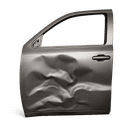
Physical Damage
Can help pay to repair or replace your own truck after an accident, fire, theft, or vandalism.
Cargo Coverage
May pay for damage to or theft of the freight you are hauling while it is in your care.
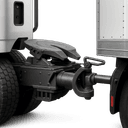
Trailer Interchange
Can help cover damage to trailers you haul under an interchange agreement but do not own.

Bobtail Coverage
May provide liability protection when you drive your tractor without a trailer attached, such as after dropping off a load.

Non-Trucking Liability
Can help cover accidents that happen when you use your truck for personal errands rather than dispatched work.
Commercial Truck Insurance Cost in Nashua
Average Cost in New Hampshire
$360 - $1,050
per month
Businesses in New Hampshire typically see commercial truck insurance premiums of $360 - $1,050 per month, which tends to run 8% below the national range of $400 - $1,125 per month.
- Radius of operation
- Commodities hauled and cargo value
- Number and value of power units
- Driver motor vehicle records and CDL experience
- DOT safety record, inspections, and FMCSA scores
- Liability limits and physical damage deductibles
Contact CPK Insurance for a personalized quote.
Prices shown are general estimates, not guaranteed rates or quotes. Your actual premium will depend on the insurer, coverage selected, business details, location, claims history, and other underwriting factors. Learn about our pricing methodology.
Your cost is shaped by the active carrier market and the specific risk profile of your trucking operation. Actual quotes depend on limits, deductibles, claims history, location, industry risk, and endorsements, so monthly cost can vary widely by operation. That means a fleet running winter routes through Concord, Dover, or along the coast may be priced differently from a local hauler with shorter mileage and lighter freight exposure. New Hampshire's climate profile also matters, with winter storms rated high, nor'easters moderate, and flooding moderate, so insurers may scrutinize collision exposure and cargo transit more closely in seasonal weather.
Weather conditions are a major crash cause in the state, and that can influence your quote, especially for carriers with frequent highway miles or night driving. The state also has an uninsured driver rate of 6.1%, which means roughly six in 100 drivers lack coverage. If one of those drivers hits your truck, your uninsured motorist protection may bear more of the load, and some carriers factor that into pricing. Claims history is especially important in a competitive market, because some carriers may be more selective about fleets with prior losses or frequent repairs. Endorsements for trailer interchange, cargo insurance, or non-trucking liability can add cost depending on how you use the equipment. If your business is small, your quote may also be influenced by whether you run one truck, a handful of tractors, or a mixed local delivery operation.
What Makes Nashua Different
What changes the underwriting calculus is how often your trucks enter parking lots, back toward buildings, and operate around people who are not part of your crew. Local establishment mix includes retail trade, construction, and professional services. Businesses in those sectors tend to expect punctual service and minimal disruption at their premises. That expectation often translates into more certificate requests and closer scrutiny of your liability limits. It also means paying attention to whether your policy setup matches the tools, attached equipment, or cargo that stays on the vehicle between stops. If your operation serves stores, contractors, or commercial clients, build your insurance review around where the truck spends its day, not just annual mileage.
Our Recommendation for Nashua
Your route pattern comes first, so start there when you talk to an agent. If most of your work is local delivery or contractor support, explain how many stops a driver makes, where vehicles are parked overnight, and whether backing losses are a real concern. The difference between twelve tight residential drops and three industrial loads shapes your quote more than a broad label like delivery or service. Then match the policy to what is actually on the truck. If you carry tools, materials, or customer property, ask which losses fall under your auto policy versus a separate cargo or equipment form so there are fewer surprises after a claim. In Nashua, property damage at homes or customer sites can become expensive quickly, especially where driveways, landscaping, garage doors, and finished surfaces are involved. When a landlord, shipper, or customer asks for proof of coverage, look at certificate turnaround, additional insured requests, and contract insurance language before the job starts.
Get Commercial Truck Insurance in Nashua
Enter your ZIP code to compare commercial truck insurance rates from carriers in Nashua, NH.
Business insurance starting at $25/mo
FAQ
Frequently Asked Questions
Describe your stops, backing exposure, overnight garaging, and whether you cross into Massachusetts. That helps the quote reflect local delivery or contractor work instead of treating your operation like a simple long-haul account.
Losses often happen in lots, alleys, driveways, and loading areas, not only on open roads. If your truck unloads near customers or jobsites, review loading, unloading, and property damage exposure carefully.
Hillsborough County has over eleven thousand business establishments, so many trucking accounts here deal with vendor requirements, delivery windows, and certificate requests before work begins. It makes liability limits, insured status requests, and documentation speed worth reviewing up front.
Trucking tied to retail and construction often faces different hazards at the stop itself. County establishment share is 13.6% retail trade and 12.4% construction. Those two sectors alone account for roughly one in four local businesses, so a large share of your stops may involve active work zones or retail foot traffic worth discussing in detail.
Nashua includes many higher-value homes and customer properties. A minor scrape to a driveway or garage door can turn into a larger claim than you might expect. Pull your current declarations page and confirm whether your limits reflect what a damaged storefront or finished driveway would actually cost to repair.
In New Hampshire, this coverage can be built around your core protections, so the policy can fit local hauling, regional delivery, or long-haul freight.
Coverage is regulated by the New Hampshire Insurance Department, and the commercial auto minimums are listed as $25,000/$50,000/$25,000, but freight carriers may also need to meet federal liability minimums and shipper contract requirements.
The range is about $360 to $1,050 per month per truck, and the final price depends on limits, deductibles, claims history, location, industry risk, and endorsements.
Sources
- 1.U.S. Census Bureau, County Business Patterns, Hillsborough County(In Hillsborough County, there are 11,057 business establishments, so a lot of truck work starts with vendor schedules, dock access rules, and certificates of insurance before freight or materials move.; In Hillsborough County, retail trade accounts for 13.6% of establishments and construction accounts for 12.4%, so many local trucking accounts are tied to deliveries where pedestrians, parked cars, jobsite debris, and tight access points are part of the workday.)
- 2.U.S. Census Bureau, ACS 5-Year Estimates, table B19013(The city's median household income is $92,457, so many deliveries involve higher-value homes, finished interiors, and customer expectations that leave little room for property damage disputes or delays.)
Updated July 16, 2026





