Updated July 5, 2026

On-Hook Towing Insurance in Nashua
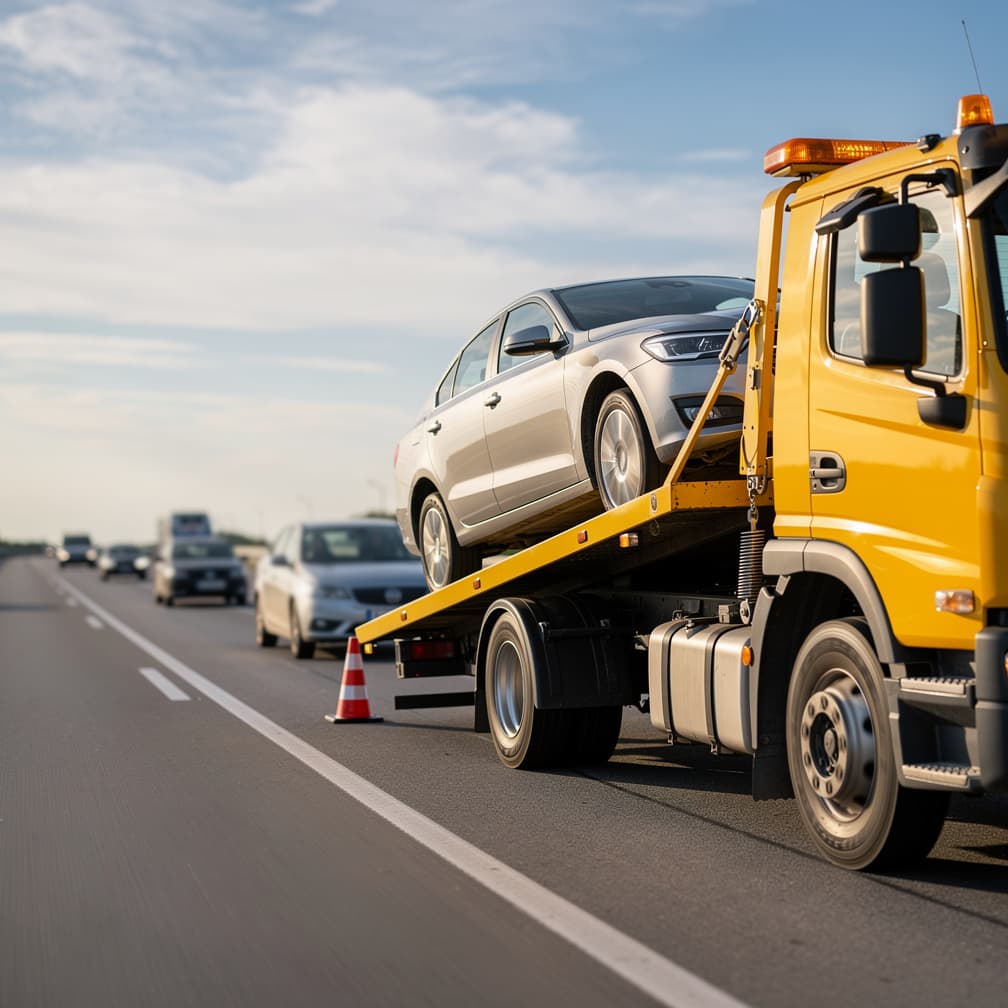
Cross border towing is the sharpest difference here, because a local operator can pick up a disabled vehicle near the Massachusetts line, move through dense retail corridors, and deliver to a shop or lot on a tight timetable the same day. That changes how you should review on-hook towing insurance in Nashua. You are not just thinking about whether a vehicle is attached correctly. You are also looking at where handoffs happen, how often cars move between roadside, storage, repair, and dealer locations, and whether your policy terms fit those routine transfers. Hillsborough County has 11,057 business establishments, so there are a lot of commercial destinations, vendor relationships, and customer handoffs tied to a single tow. If a damaged vehicle is headed to a body shop, retailer lot, contractor yard, or office complex, documentation and chain of custody matter more. That is why your quote should match your actual dispatch pattern, storage setup, and the kinds of vehicles you most often move. Before you bind coverage, ask for a clear review of on-hook limits, loading and unloading language, and how claims are documented after a short urban tow versus a longer cross border run.
On-Hook Towing Insurance Risk Factors in Nashua
Nashua's top risk factors include Winter storm damage, Ice dam damage, Frozen pipe bursts, and Snow load collapse.
New Hampshire has a low climate risk rating. Top hazards: Winter Storm (High), Nor'easter (Moderate), Flooding (Moderate), Wildfire (Low). The state's expected annual loss from natural hazards is $120M, which influences on-hook towing insurance premiums and may affect coverage availability in high-risk areas.
What On-Hook Towing Insurance Covers
In New Hampshire, the most useful review starts with the exact moments where a customer vehicle changes status. A claim can turn on whether the unit was still being winched, already secured, partially lifted, or in the middle of unloading at a driveway, repair facility, storage yard, or auction lot. That is where you want your on-hook terms read carefully, because the dispute is often less about whether damage occurred and more about whether it happened during a covered towing operation.
State conditions make that review practical, not theoretical. Weather shifts, slick pavement, soft shoulders, steep approaches, and tight rural access points can all change how a tow is performed. If your drivers handle roadside calls on secondary roads, recover disabled vehicles from ditches or embankments, or move low-clearance units from parking structures and narrow lots, ask the agent to walk through those scenarios in plain language. You want to know how the policy treats each stage of the job, and whether any exclusions or sublimits could matter for the vehicles you most often handle.
This is also the place to separate this exposure from garagekeepers, general liability, and physical damage on your own trucks. Those policies may address different property, different legal theories, or different parts of the job. If your operation mixes consensual towing, police rotation work, private impounds, and scheduled transport, ask for each service line to be reflected in the submission. A cleaner description gives the underwriter fewer reasons to assume a narrower operation than the one you actually run. Before you bind coverage, request specimen wording or a coverage summary that shows how claims are evaluated once a vehicle is attached to your equipment. Then compare that against your dispatch records, hookup methods, and release procedures so the policy matches the work your drivers perform every day.
Coverage Included
Collision on Hook
Covers damage to towed vehicles from collisions during transport.
Comprehensive on Hook
Covers theft, fire, and weather damage to vehicles being towed.
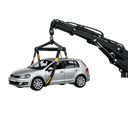
Loading & Unloading
Covers damage during the process of loading and unloading vehicles.
Winching Coverage
Covers damage to vehicles during winching and recovery operations.
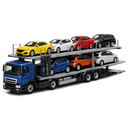
Multiple Vehicle
Covers all vehicles on multi-car carriers and rollback flatbeds.
Industries & Insurance Needs in Nashua
County business mix is what changes demand around Nashua. In Hillsborough County, retail trade accounts for 13.6% of establishments, construction 12.4%, and professional, scientific, and technical services 11%. That mix matters because it points to the kinds of calls you are more likely to see: customer vehicles at shopping areas, work trucks and vans tied to contractor schedules, and employee or fleet vehicles that need quick relocation with minimal downtime. Each type of tow can raise different claim questions about vehicle condition before hookup, accessories left inside, delivery timing, and where the unit is released. If you handle a mix of private passenger cars and commercial units, ask for a quote built around that split instead of assuming one limit structure fits every call. It is also worth reviewing whether your paperwork, photos, and dispatch notes are strong enough for business customers who expect a cleaner record when a damage claim is disputed.
What Makes Nashua Different
Cross border and high handoff volume is the one thing that changes the buying calculus here. A tow in this market often does not end where it starts. You may pick up at an apartment complex, roadside shoulder, parking deck, or retail lot, then release at a repair facility, storage yard, dealership, or commercial property manager's location. Every extra handoff creates another point where condition, timing, and responsibility can be questioned if damage is reported later. That is especially important in a market with a relatively affluent customer base. Nashua median household income is $92,457, so owners may be more likely to expect careful documentation, faster repairs, and a clear explanation of how damage is handled. For you, that means limit selection is only part of the decision. You should also review exclusions, deductible fit, and whether your operating procedures support the claim story your insurer will need. A policy review is stronger when it starts with your real routes, release points, and the vehicle types you move most often.
Our Recommendation for Nashua
Start with your dispatch reality, not a generic towing application. If many of your calls involve short urban moves, retail property pickups, apartment complexes, or trips across the state line, tell the agent that up front so on-hook terms are reviewed against those conditions. Ask specifically how the policy responds during hookup, transport, and release, because those are the moments where local claims can turn on documentation. It is smart to keep photo procedures consistent before loading and again at drop off, especially for commercial vans, contractor pickups, and late model personal vehicles. If you tow for shops, property managers, or commercial accounts, review whether your limits still make sense for the highest value unit you might move on a busy day. You should also compare deductible options against your cash flow, because a deductible that looks manageable on paper can feel very different if more than one disputed damage claim lands in the same month. Bring a recent loss run and a sample dispatch log when you request quotes.
Get On-Hook Towing Insurance in Nashua
Enter your ZIP code to compare on-hook towing insurance rates from carriers in Nashua, NH.
Business insurance starting at $25/mo
FAQ
Frequently Asked Questions
Nashua operators often handle short, multi stop tows with several handoffs between roadside, storage, and repair locations. That makes documentation, release procedures, and on-hook policy wording worth reviewing closely before you bind coverage.
Nashua sits in Hillsborough County, which has 11,057 business establishments. That volume creates more shop, lot, vendor, and commercial property destinations, so you should match your coverage and claim documentation to frequent handoffs.
Nashua has a median household income of $92,457, which can mean more late model personal vehicles and higher repair expectations. You should review whether your on-hook limit fits the highest value vehicle you realistically tow.
Hillsborough County is led by retail trade at 13.6%, construction at 12.4%, and professional, scientific, and technical services at 11%. That mix points to passenger cars, contractor units, and business vehicles, so ask for a quote that reflects that spread.
Roadside operators should review it if customer vehicles are attached to their equipment during towing or transport. The harder question is not your marketing label, but whether a damage claim could point to your hookup or release process. If the answer is yes, the exposure exists regardless of what you call the job.
Requirements can vary by operation and contract, so you should verify what applies to your business and clients. Review policy forms and compliance questions carefully before you bind coverage.
Winter weather can complicate securement, loading angles, and roadside documentation, which makes claim records more important. If your drivers handle winter recoveries or slick-road calls, ask for underwriting that reflects those conditions instead of a routine transport-only description.
Repair shops with a rollback often need to review it if they pick up or deliver customer vehicles. Even if towing is a smaller part of the business, the exposure still exists whenever a vehicle is being moved by your truck.
Sources
- 1.U.S. Census Bureau, County Business Patterns, Hillsborough County(Hillsborough County has 11,057 business establishments, so there are a lot of commercial destinations, vendor relationships, and customer handoffs tied to a single tow.; In Hillsborough County, retail trade accounts for 13.6% of establishments, construction 12.4%, and professional, scientific, and technical services 11%.)
- 2.U.S. Census Bureau, ACS 5-Year Estimates, table B19013(Nashua median household income is $92,457, so owners may be more likely to expect careful documentation, faster repairs, and a clear explanation of how damage is handled.)
Updated July 5, 2026