







































Updated July 10, 2026

Woodworking Shop Insurance in New Jersey
A woodworking shop insurance quote in New Jersey needs to account for more than benches, saws, and lumber. Shops in Trenton, Newark, Jersey City, Camden, and along the shore often manage client pickup traffic, stored inventory, finishing work, and equipment that can be exposed to storm damage, theft, and business interruption. New Jersey also has a large small-business base, a competitive insurance market, and commercial leases that may call for proof of general liability coverage. That makes it important to match the policy to how your shop actually operates: whether you build custom cabinets, keep tools on-site, send crews to multiple job sites, or store customer projects before delivery. The right quote should reflect fire risk from shop operations, building damage from severe weather, and third-party claims if a visitor is hurt near sawdust, loading areas, or work zones. If you want coverage that fits a local woodworking business, start by comparing the protections your shop needs against the requirements your lease, contracts, and day-to-day workflow create.
Climate Risk Profile
Natural Disaster Risk in New Jersey
Understanding climate-related risks helps determine appropriate insurance coverage levels.
Hurricane
High
Flooding
High
Nor'easter
High
Severe Storm
Moderate
Expected Annual Loss from Natural Hazards
$1.6B
estimated economic loss per year across New Jersey
Source: FEMA National Risk Index
Risk Factors for Woodworking Shop Businesses in New Jersey
- New Jersey hurricane risk can create building damage, storm damage, and business interruption for woodworking shops with lumber inventory, finishing areas, and customer pickup zones.
- Flooding in New Jersey can damage commercial property, tools, mobile property, and valuable papers kept in shop offices or storage rooms.
- Nor'easter exposure in New Jersey can drive storm damage, fire risk from electrical issues, and temporary shutdowns that interrupt production for cabinet shops.
- Woodworking shops in New Jersey face theft risk for tools, contractors equipment, and mobile property kept on-site or moved between job sites.
- Customer injury and slip and fall claims can arise in New Jersey shops with sawdust, loading areas, or client pickup traffic near workbenches and showroom space.
How New Jersey compares with the national baseline
Property crime per 100,000 residents
1,510 vs 2,200 baseline
Property crime in New Jersey runs below the national average, at 1,510 vs 2,200 incidents per 100,000 residents.
Blue bar: New Jersey. Gray line: national baseline.
How Much Does Woodworking Shop Insurance Cost in New Jersey?
Woodworking Shop Insurance is a bundle of separate policies, priced separately. The ranges below are typical figures for New Jersey for each line, except workers compensation, which is rated per $100 of payroll; a quote prices each one against your own operations.
| Coverage | Typical range | What moves your price |
|---|---|---|
| General Liability Insurance | $140 - $490 per month | Industry and risk classification, annual revenue, number of employees |
| Commercial Property Insurance | $240 - $850 per month | Building value and construction type, roof age and condition, fire protection class |
| Workers Compensation Insurance | $0.75 - $2.74 per $100 of payroll | Employee classification codes, total annual payroll, experience modification rate |
| Inland Marine Insurance | $35 - $140 per month | Total insured value of the scheduled property, type and age of the equipment, where it is stored and how far it travels |
Prices shown are general estimates, not guaranteed rates or quotes. Your actual premium will depend on the insurer, coverage selected, business details, location, claims history, and other underwriting factors. Learn about our pricing methodology.
What New Jersey Requires for Woodworking Shop Insurance
Non-compliance can result in fines, loss of contracts, and personal liability:
- Workers' compensation is required in New Jersey for businesses with 1+ employees, with exemptions for sole proprietors and partners.
- New Jersey businesses often need proof of general liability coverage for most commercial leases, so many woodworking shops should be ready to show current certificates.
- Commercial auto minimum liability in New Jersey is $35,000/$70,000/$25,000 (raised effective January 1, 2026) if the shop uses vehicles for deliveries, pickups, or job-site travel.
- Coverage selections should reflect New Jersey Department of Banking and Insurance oversight and any lease or contract wording tied to property damage, bodily injury, or legal defense.
- If the shop stores customer projects, tools, or materials off-site, inland marine terms should be reviewed for equipment in transit and mobile property protection.
- Commercial property coverage should be reviewed for fire risk, storm damage, and business interruption so the policy matches the shop's building, equipment, and inventory exposure.
| Requirement | What New Jersey law says |
|---|---|
| Auto liability minimums | $35,000/$70,000/$25,000 (bodily injury per person / per accident / property damage). These floors apply to personal and business vehicles alike; lenders and contracts often require more. |
| Workers compensation | Generally required once you have your first employee. Some roles are exempt, so confirm current thresholds before you hire. |
| Where to verify | New Jersey Department of Banking and Insurance publishes current requirements, consumer guides, and license lookups. |
Get Your Woodworking Shop Insurance Quote in New Jersey
Compare rates from multiple carriers. Free quotes, no obligation.
Common Claims for Woodworking Shop Businesses in New Jersey
A customer visits a shop in Trenton to review cabinet samples, slips on sawdust near the entry, and the business faces a customer injury claim with legal defense costs.
A nor'easter hits a woodworking shop near the Jersey Shore, causing storm damage to the building, inventory, and finishing equipment, followed by a temporary shutdown.
A cabinet maker in central New Jersey leaves tools and mobile property in a truck between job sites, and theft or transit damage interrupts a week of installations.
Preparing for Your Woodworking Shop Insurance Quote in New Jersey
A description of the shop's work, such as custom woodworking, cabinet making, finishing, storage, or installation.
Details on square footage, building type, lease terms, and whether the landlord requires proof of general liability coverage.
A list of tools, machines, mobile property, and contractors equipment, including items that travel to job sites or client locations.
Basic payroll and employee count information, plus any need for workers' compensation, commercial property, or inland marine coverage.
What Happens Without Proper Coverage?
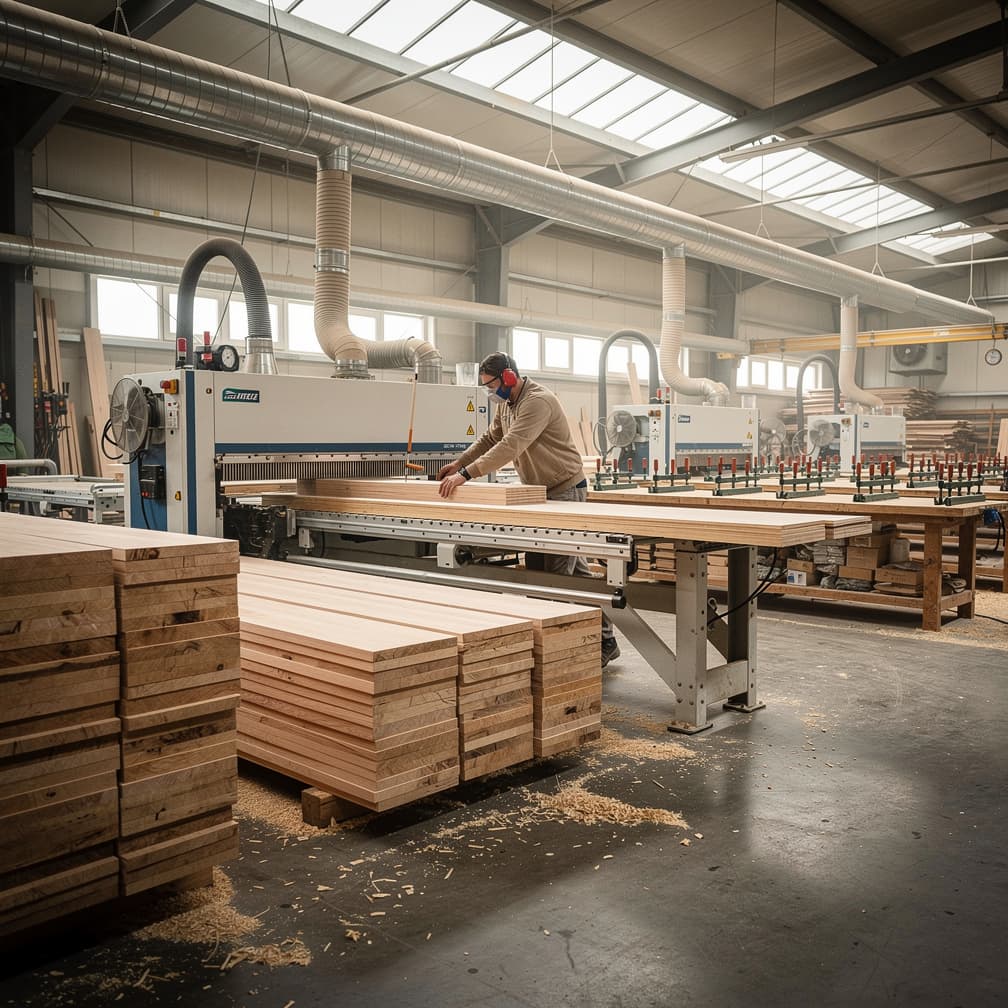
Concentration is the quiet threat in a wood shop. Machinery, dust collection, hand tools, lumber, hardware, and completed customer orders share one roof, so a single fire or smoke event can take the production equipment, the inventory, and the open orders in the same hour. Value that concentrated deserves property limits built from a real walk through, not an estimate from two renewals ago.
Customer work in progress raises a question many owners have not priced: whose property burns when the shop does? Deposits taken, materials supplied by clients, and finished pieces awaiting pickup all sit in your care, and the dispute after a loss turns on how your policy treats property of others. A shop full of commissioned work carries other people's money on its racks.
Claims from installation follow a different clock. A cabinet install that scratches a customer's new floors, a delivery crew injury at a jobsite, or a punch list return visit that damages finished trim can surface weeks after the invoice was paid, and the allegation lands on whichever policy was in force when the work happened. Contracts and landlords add their own certificate requirements before install work even begins.
Walk the shop as if documenting a claim before it happens: the most expensive machines, the combustible storage, the customer property on hand, and everything that leaves the building on a truck. Quotes compared against that walk through will show their differences quickly.
Recommended Coverage for Woodworking Shop Businesses
Based on the risks and requirements above, woodworking shop businesses need these coverage types in New Jersey:

General Liability
Essential coverage for every business, protect against third-party bodily injury, property damage, and advertising claims.

Commercial Property
Safeguard your business property, equipment, and inventory against damage and loss.

Workers Compensation
Help cover your employees' medical expenses and lost wages for work-related injuries and illnesses.

Inland Marine
Protect tools, equipment, and goods in transit or stored at locations away from your primary premises.
Woodworking Shop Insurance by City in New Jersey
Insurance needs and pricing for woodworking shop businesses can vary across New Jersey. Find coverage information for your city:
Insurance Tips for Woodworking Shop Owners
Separate shop-only fabrication from delivery and installation work when requesting quotes, because off-site operations can change how liability and workers compensation are reviewed.
List major stationary machines, portable tools, dust collection equipment, and finishing equipment individually so commercial property values reflect what would actually need to be replaced after a loss.
Review how customer materials, work in progress, and completed custom pieces are stored on-site, because those concentrations can matter if fire or smoke damages multiple orders at once.
Describe your finishing operations clearly, including where stains, solvents, or spray work are handled, so the property review matches the real fire and contamination exposure.
Match workers compensation classifications to actual job duties, especially if employees split time between machine operation, sanding, delivery, and installation at client locations.
Ask whether inland marine insurance should include both portable tools and finished products in transit, since many woodworking claims happen after property leaves the shop.
Check that your liability limits fit the size of the homes, offices, or commercial interiors where you install work, because one damage claim can involve expensive surrounding finishes.
FAQ
Frequently Asked Questions About Woodworking Shop Insurance in New Jersey
Most New Jersey woodworking shops start with general liability, commercial property, workers' compensation if they have 1+ employees, and inland marine for tools or equipment in transit. The mix can vary based on whether you have a storefront, client pickup area, or mobile installation work.
It typically includes protection for bodily injury, property damage, fire risk, theft, storm damage, business interruption, and third-party claims. Shops with employees may also need workers' compensation for workplace injury, medical costs, lost wages, and rehabilitation.
Cost varies based on your building, tools, payroll, claims history, lease terms, and whether you need inland marine or workers' compensation. In New Jersey, average premiums for this type of business are listed at $223 to $1,000 per month, but your quote can differ.
Workers' compensation is required for businesses with 1+ employees, unless the owner is a sole proprietor or partner. Many commercial leases in New Jersey also ask for proof of general liability coverage, and business vehicles must meet the state's commercial auto minimums if used.
Yes. Commercial property coverage can help protect shop equipment kept at the premises, while inland marine is often used for tools, mobile property, contractors equipment, and equipment in transit between job sites or client locations.
General liability, commercial property, workers compensation, and inland marine cover the standard review. Whether you fabricate only or also deliver, install, store customer property, and move tools between locations decides how much weight each policy carries.
Stationary equipment sits under commercial property review, while saws, routers, and compressors that travel to jobsites point to inland marine. The split matters because a policy tied to the shop address can go quiet the moment a tool leaves the building.
If completed pieces or portable tools leave the premises, the review is worth doing. Transported, staged, and mid installation property faces exposures that shop based coverage does not always address, and custom work is expensive to rebuild after a transit loss.
Updated March 31, 2026