Updated July 16, 2026

Cyber Liability Insurance in New Jersey
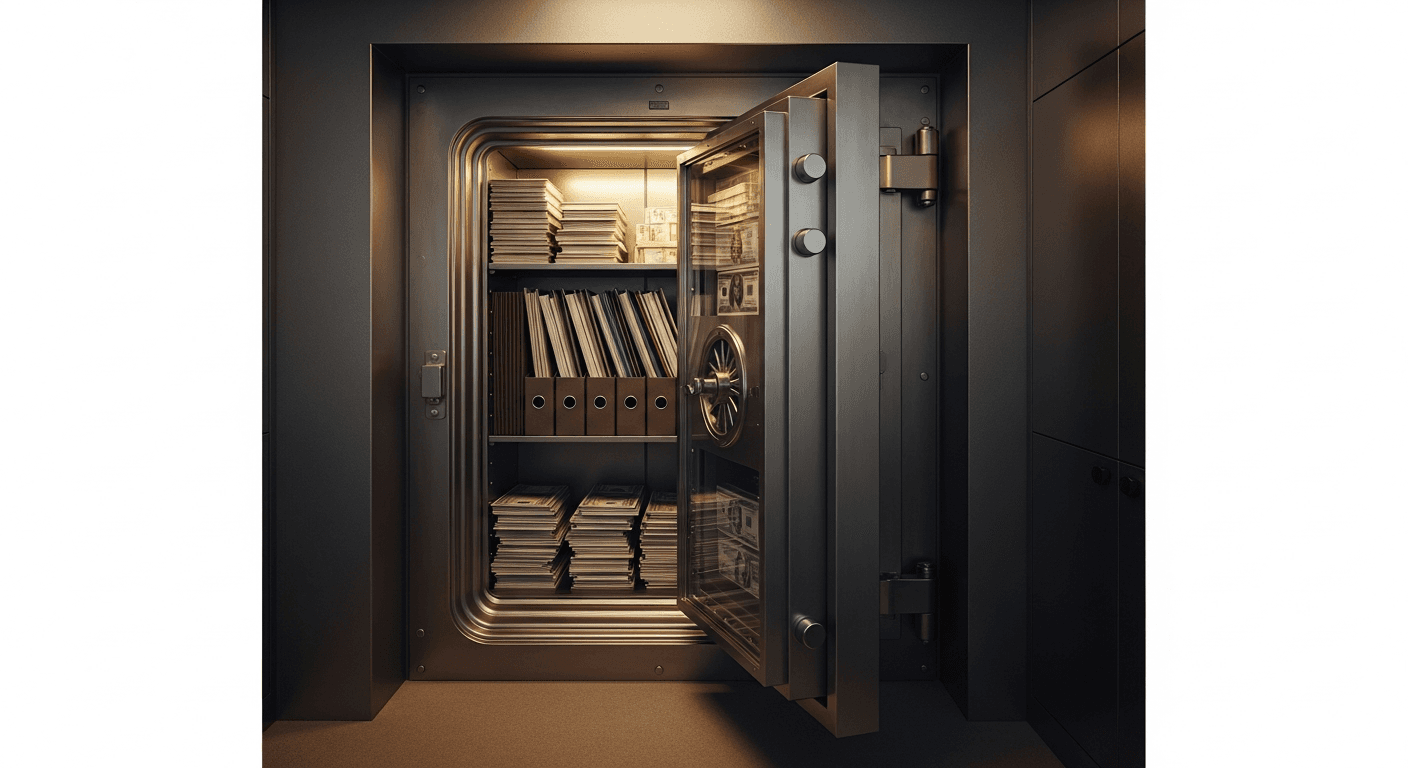
Buying cyber liability insurance in New Jersey is less about theory and more about protecting the way your business actually operates. With 254,600 businesses in the state and 99.6% of them classified as small businesses, a cyber event can interrupt billing, customer communications, and payment processing fast. For a small operation, even a brief outage can mean missed invoices, delayed payroll, and lost sales that compound quickly. The coverage is especially relevant if your company handles patient records, card data, client files, or financial records. If your business relies on cloud tools, remote access, or online customer portals, it can help you plan for breach response, ransomware, legal defense, and recovery costs tied to a cyber incident.
What Cyber Liability Insurance Covers
In New Jersey, this coverage is designed to address the financial fallout from a cyber incident rather than replace general liability or property policies. The core protections commonly include data breach response, ransomware and extortion, business interruption, regulatory defense and fines, network security liability, and media liability. For your business, that can mean help with breach notification, credit monitoring, forensic investigation, legal defense, and data recovery after an incident affecting customers, employees, or vendors.
The coverage is especially relevant in a state where healthcare, finance, retail, and professional services are major employers, because those sectors often store sensitive data and process payments. Policy requirements may vary by industry and business size, so the protection you buy depends on how much sensitive information you handle and what endorsements you add. Standard exclusions and limits vary by carrier, and some policies require prompt reporting soon after discovering an incident. That timing matters because delayed notice can affect how breach response coverage works. If you need privacy liability or network security coverage, the policy language should be reviewed carefully so the limits, deductible, and incident-response terms match your operations.
Data Breach Response
Can help pay for forensic investigation, customer notification, and credit monitoring after hackers expose sensitive data your business holds.
Ransomware & Extortion
May cover ransom payments, negotiation expenses, and system restoration costs when criminals lock your data and demand payment.

Business Interruption
Can help replace income your business loses while a covered cyber attack keeps your systems or website down.

Regulatory Defense & Fines
May pay legal defense costs and, where insurable, fines or penalties from regulators investigating a data breach at your business.

Network Security Liability
Can help cover claims from customers or partners harmed when your network is breached or spreads malware to their systems.

Media Liability
May cover claims of defamation, copyright infringement, or similar harms arising from content your business publishes online.
Cyber Liability Insurance Requirements in New Jersey
- New Jersey businesses should compare quotes from multiple carriers because coverage requirements may vary by industry and business size.
- The New Jersey Department of Banking and Insurance regulates the market, so policy terms should be reviewed carefully before binding.
- Workers' compensation is required for most New Jersey employers with at least one employee, but cyber liability insurance is a separate commercial policy.
- Some policies require immediate notice, often within 24 to 72 hours, so breach response procedures should match your internal reporting process.
How Much Does Cyber Liability Insurance Cost in New Jersey?
Average Cost in New Jersey
$45 - $210
per month
Businesses in New Jersey typically see cyber liability insurance premiums of $45 - $210 per month, which tends to run 4% above the national range of $55 - $190 per month.
- Records held and how sensitive they are
- Annual revenue and industry
- Multi-factor authentication and backup practices
- Prior breaches, ransomware events, or claims
- Limit and retention selected
Contact CPK Insurance for a personalized quote.
For New Jersey businesses, premiums typically fall in a range of $45 to $210 per month. Small businesses often pay $1,000 to $3,000 annually for $1 million in coverage. Those figures can move up or down based on coverage limits and deductibles, claims history, location, industry risk profile, and policy endorsements.
New Jersey's premium environment is above the national average, with a premium index of 136, which means you may see base pricing roughly 36% higher than the national midpoint. A policy that costs $1,000 annually in a lower-index state might run closer to $1,360 here, all else being equal. However, cyber pricing is still driven more by your data exposure than by geography alone. A business in healthcare may see a different quote than a retail shop or professional office because regulatory exposure and the volume of sensitive data are different.
If you want to control cost, insurers usually look closely at security controls such as multi-factor authentication, patching, encrypted storage, backups, and employee training. Better controls can improve terms, but pricing still depends on your limits, deductible, and the amount of sensitive data you store.
| Coverage | First-Party (Your Losses) | Third-Party (Others' Claims) |
|---|---|---|
| Data Breach | Forensic investigation, notification costs, credit monitoring | Customer lawsuits, regulatory fines |
| Ransomware | Ransom payment, data recovery, system restoration | Claims from affected clients/partners |
| Business Interruption | Lost income, extra expenses during downtime | Contractual penalties for service outages |
| Privacy Violations | Internal remediation costs | Regulatory defense and penalties |
| Media Liability | Content takedown and correction | Defamation, copyright infringement claims |
Data Breach
- First-Party (Your Losses)
- Forensic investigation, notification costs, credit monitoring
- Third-Party (Others' Claims)
- Customer lawsuits, regulatory fines
Ransomware
- First-Party (Your Losses)
- Ransom payment, data recovery, system restoration
- Third-Party (Others' Claims)
- Claims from affected clients/partners
Business Interruption
- First-Party (Your Losses)
- Lost income, extra expenses during downtime
- Third-Party (Others' Claims)
- Contractual penalties for service outages
Privacy Violations
- First-Party (Your Losses)
- Internal remediation costs
- Third-Party (Others' Claims)
- Regulatory defense and penalties
Media Liability
- First-Party (Your Losses)
- Content takedown and correction
- Third-Party (Others' Claims)
- Defamation, copyright infringement claims
Prices shown are general estimates, not guaranteed rates or quotes. Your actual premium will depend on the insurer, coverage selected, business details, location, claims history, and other underwriting factors. Learn about our pricing methodology.
Request a Quote Comparison
Enter your ZIP code to compare cyber liability insurance rates from top carriers.
Business insurance starting at $25/mo
Who Needs Cyber Liability Insurance?
This coverage is most relevant for companies that store customer data, process payments, or depend on digital systems to serve clients. That includes healthcare groups that manage patient records, finance and insurance firms that handle account data, retail businesses that process cards, and professional service firms that keep client files in cloud platforms. New Jersey's economy is especially exposed because Healthcare and Social Assistance is the largest employment sector at 16.4%. That concentration matters because healthcare businesses face strict breach-notification rules under HIPAA and state law, so a single incident can trigger regulatory fines, patient notification costs, and forensic investigation all at once.
Small businesses should pay attention too, because many rely on outside vendors, online invoicing, and remote access. A phishing message that leads to stolen credentials can trigger breach response costs, legal defense, and data recovery expenses even if the incident is limited to one office or one device. Companies in finance and insurance may also want to review regulatory defense and fines, while professional and technical services often need network security liability coverage for client-facing systems. If your business has employees in multiple locations, serves customers statewide, or supports online transactions, a policy can be useful even if you are not a large enterprise.
Cyber Liability Insurance by City in New Jersey
Cyber Liability Insurance rates and coverage options can vary across New Jersey. Select your city below for localized information:
How to Buy Cyber Liability Insurance
To buy cyber liability insurance in New Jersey, start by gathering the basics that underwriters usually ask for. They want annual revenue, number of employees, the volume and type of sensitive data stored, current security controls, prior claims, and whether you use payment processing, cloud applications, or remote access. New Jersey businesses should compare quotes from multiple carriers because pricing or underwriting can differ across them.
A quote should be reviewed for the response services included, the waiting period for business interruption, and whether ransomware coverage includes extortion negotiation, data restoration, and any pre-approval requirement before payment. You should also confirm whether breach response includes notification, credit monitoring, forensic investigation, and legal defense, since those costs can rise quickly after a data breach. The state does not provide a single blanket cyber minimum for all businesses, so requirements vary by industry and business size. Before binding coverage, ask how the carrier handles immediate notice, what endorsements are available, and whether the policy language fits your actual data handling practices. Request a quote today to compare options from participating providers.
How to Save on Cyber Liability Insurance
The most reliable way to lower your cost is to present a stronger risk profile at quote time. Carriers commonly reward businesses that already use multi-factor authentication, regular patching, encrypted data storage, employee security training, backup systems, and endpoint detection. If you can show those controls, you may be able to improve pricing or broaden terms on network security and privacy liability coverage.
Another practical strategy is to compare multiple quotes, because New Jersey's market is broad and the same business can receive different pricing from different carriers. That matters in a state where premiums are above the national average overall, but underwriting still depends heavily on your industry, claims history, and the amount of sensitive data you store. If you operate in healthcare, finance, or another higher-exposure field, ask whether higher deductibles or narrower endorsements would make sense for your budget without leaving key breach response coverage out. You can also reduce cost by limiting unnecessary coverage extensions and making sure your application is accurate. Overstating controls or understating data volume can create problems later, while a clean and detailed submission can help the underwriter price the risk more precisely. Finally, bundle the cyber review with your broader commercial insurance renewal so you can compare limits and deductibles alongside your other business policies instead of buying coverage in isolation.
Our Recommendation for New Jersey
For a New Jersey business, I would treat cyber coverage as a planning tool, not a last-minute purchase after an incident. Start by matching the policy to your real exposure, because patient data, card payments, client files, cloud systems, and vendor access all matter in this state. If you are in healthcare, finance, retail, or professional services, ask for a quote that clearly separates the four core protections: breach response, ransomware, business interruption, and regulatory defense. I would also review the reporting timeline closely, because many policies expect fast notice after discovery of an event. In a state with strong competition among carriers, you should compare terms, not just premium. The right policy is the one whose limits, waiting periods, and response services line up with the way your business actually handles data and serves customers day to day.
FAQ
Frequently Asked Questions
It can help with breach notification, credit monitoring, forensic investigation, legal defense, ransomware response, data recovery, and business interruption tied to a cyber incident in New Jersey.
Most small businesses pay between $45 and $210 per month, though your actual quote depends on limits, deductible, claims history, industry, location, and endorsements.
Healthcare, finance, retail, and professional services usually need it most because they store sensitive data, process payments, or rely on connected systems across New Jersey locations.
There is not a single statewide cyber minimum for all businesses, but requirements may vary by industry and business size, so your policy should be matched to your operations.
Yes, breach response coverage can include notification, credit monitoring, forensic investigation, and legal defense after a covered cyber event, subject to your policy terms.
If a covered cyber incident interrupts operations, the policy may help with lost income and related expenses, but the waiting period, limits, and trigger language vary by carrier.
Underwriters usually look at your revenue, employee count, sensitive data volume, security controls, claims history, industry, and policy endorsements.
Cyber liability can help cover data breach response costs (notification, credit monitoring, forensic investigation), ransomware payments and negotiation, business income loss from cyber events, regulatory defense and fines, third-party lawsuits from data breaches, and media liability for online content.
Updated July 16, 2026