Updated July 16, 2026

Builders Risk Insurance in Jersey City
Your projects in Jersey City often move through tight urban conditions. Condo renovations in high-rise buildings near the waterfront, mixed-use rehabs over street-level retail, and infill work where staging space is limited all change how you evaluate builders risk insurance. You are not only insuring the structure under construction. You are also pressure testing how materials are stored, when they arrive, who controls the site after hours, and whether delay-related exposures deserve a closer look. Local property values raise the stakes on getting the completed value right. Jersey City's median home value sits at $534,500, which means a standard limit can leave a six-figure gap before the first custom cabinet even arrives. Rebuild budgets at that level can outrun a policy limit quickly once finishes, change orders, or scope creep enter the picture. If your project involves lender oversight, a condo board, or a landlord with insurance requirements, line up the named insureds, loss payee language, and project address details before work starts.
Builders Risk Insurance Risk Factors in Jersey City
Jersey City's top risk factors include Flooding, Hurricane damage, Coastal storm surge, and Wind damage.
New Jersey has a moderate climate risk rating. Top hazards: Hurricane (High), Flooding (High), Nor'easter (High), Severe Storm (Moderate). The state's expected annual loss from natural hazards is $1.6B, which influences builders risk insurance premiums and may affect coverage availability in high-risk areas.
What Builders Risk Insurance Covers
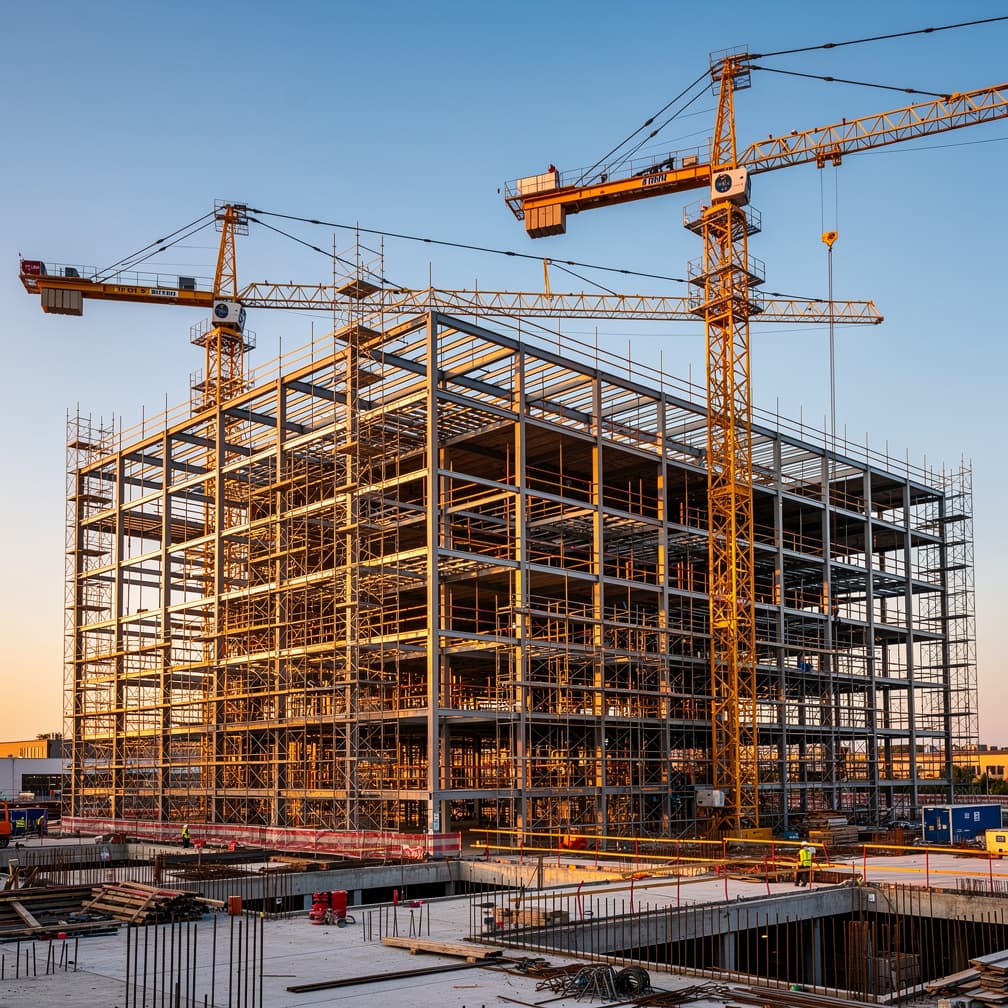
In New Jersey, the useful review is not the basic definition of builders risk, but how the policy language responds to the way your project is staged. A shore-area build may need closer attention on wind-driven rain, temporary enclosures, and when materials move from off-site storage to the job. An urban infill project may raise different questions about fencing, theft controls, neighboring structures, and how partial occupancy is handled if one portion opens before the rest of the work is complete.
You should read the covered property schedule carefully. On many jobs, the real issue is not whether the main structure is contemplated, but whether foundations, scaffolding, temporary works, construction forms, site-installed equipment, and materials waiting to be installed are addressed the way your contract expects. If the project relies on owner-supplied items, long-lead mechanical equipment, custom windows, or specialty finishes, ask where each category is covered while in transit, while stored, and once delivered.
Cause-of-loss wording matters just as much. New Jersey projects can face coastal weather, heavy rain, and storm-related disruption, so you should ask which perils are included, which are excluded, and whether flood, named storm, or water-related causes need separate treatment. Delay-related costs also deserve a direct conversation if financing, lease-up, or opening dates matter. The state regulator is the New Jersey Department of Banking and Insurance. If a policy form, notice, or producer explanation seems unclear, you can file a complaint or request guidance from that office, so slow down and ask for the wording that controls before you commit to coverage.
Coverage Included

Structure Coverage
Covers the building or structure under construction.

Materials on Site
Covers building materials stored at the construction site.

Materials in Transit
Covers materials being transported to the job site.
Temporary Structures
Covers scaffolding, fencing, and temporary buildings.

Soft Costs
Covers additional expenses from construction delays due to covered losses.

Equipment Coverage
Covers permanently installed fixtures and equipment.
What Makes Jersey City Different
What sets local jobs apart is proximity. On many projects, the hardest part is not the framing plan or the finish schedule but controlling a site that sits close to occupied units, active storefronts, parked vehicles, and limited laydown space. That changes the conversation because materials may arrive in smaller drops, equipment may not stay on site the same way it would on a suburban build, and a loss can disrupt more parties at once. The surrounding business mix reinforces that point. Hudson County has 14,194 business establishments, with retail trade at 14.7% and accommodation and food services at 12.1%, so a fire or water loss next to a restaurant or shop can trigger business interruption claims from tenants who were not even part of your project. If you are working near service businesses or customer-facing tenants, ask your agent to confirm whether your policy covers damage to adjacent occupied space and what the sublimit is for delayed reopening or delayed turnover.
Our Recommendation for Jersey City
Start with the construction schedule and the site controls, not a generic application. For a local renovation or infill build, give the quoting team the project address, scope, completed value, construction type, renovation versus ground-up status, and who holds keys or access cards after hours. If materials are delivered in phases because storage is tight, say that clearly. If upper-floor work depends on elevators, street permits, or building management rules, include that too. Get valuation discipline in place early. Jersey City median household income is $94,813, which tends to mean buyers expect higher-end finishes that can push rebuild costs 15 to 20 percent above initial allowances. The practical risk is that upgrades and owner changes push completed values above the original budget faster than expected. Ask whether your limit still matches the job after design revisions, custom materials, or lender-required improvements. Before binding, confirm who needs to be named, whether delay-related coverage is worth adding, and what documentation the lender, owner, or property manager expects to see.
Get Builders Risk Insurance in Jersey City
Enter your ZIP code to compare builders risk insurance rates from carriers in Jersey City, NJ.
Business insurance starting at $25/mo
FAQ
Frequently Asked Questions
A quote built around suburban assumptions can miss the real exposure when your site shares walls, floors, or alleys with operating tenants. The goal is a policy that reflects phased material delivery, limited staging, and clear after-hours accountability.
Review the completed value whenever the budget, plans, or lender requirements change. A midstream change order for upgraded finishes can quietly outrun your original limit.
When your project sits beside operating tenants or customer-facing businesses, delay, access, and neighboring occupancy issues become more important to review before binding coverage.
Describe the actual occupancy around the work, including retail below, apartments above, and any phased turnover. That helps the quote reflect site controls, security, and whether delay-related costs deserve a closer look.
Some projects carry stronger finish expectations and midstream upgrade pressure. That does not set a premium by itself, but it is a good reason to recheck completed value and change-order discipline.
Renovation projects often warrant builders risk review when the work is substantial, financed, or contractually required. The key step is making sure the policy matches the actual exposure, which means clarifying what the project covers versus what sits under an existing property policy.
Projects should not assume flood is automatically included. If the site is near the coast, tidal water, or a location with recurring water issues, ask for a direct review of flood and other water-related causes of loss before you commit to coverage.
Contracts often decide that question. Owners commonly purchase the policy, but lenders, developers, and general contractors may all have requirements or interests that need to be reflected in the policy structure and evidence of coverage.
Sources
- 1.U.S. Census Bureau, ACS 5-Year Estimates, table B25077(Jersey City's median home value is $534,500, so underinsuring a residential build or major renovation can leave a larger gap than many owners expect if prices, finishes, or change orders climb during the job.)
- 2.U.S. Census Bureau, County Business Patterns, Hudson County(Hudson County has 14,194 business establishments, with retail trade at 14.7%, accommodation and food services at 12.1%, and health care and social assistance at 11.3%.)
- 3.U.S. Census Bureau, ACS 5-Year Estimates, table B19013(Jersey City median household income is $94,813, and that buying power can support higher finish expectations on residential projects, so upgrades and owner changes can push completed values above the original budget faster than expected.)
Updated July 16, 2026