








































Updated July 5, 2026

Commercial Truck Insurance in Jersey City
A lot of trucking operations here run out of tight industrial bays, mixed-use commercial blocks, or shared yards, then spend the day threading short urban routes to stores, restaurants, medical offices, and job sites across Hudson County and into nearby boroughs. That operating pattern changes what you should review in commercial truck insurance in Jersey City. You are not just thinking about highway mileage. You are looking at repeated stops, curbside loading, backing claims, driver schedules, where units are parked after hours, and whether your policy setup matches local delivery work or heavier contract hauling.
Hudson County has 14,194 business establishments, so many truck accounts here depend on dense business-to-business delivery patterns and frequent certificate requests before a contract, dock appointment, or vendor relationship moves forward. If your book includes retail, food service, or health-related customers, your insurance review should line up with how often drivers enter alleys, service roads, and customer premises in a single shift. Before you request quotes, pull your current vehicle list, garaging addresses, driver roster, and a clear description of what each truck hauls and where it actually runs.
Commercial Truck Insurance Risk Factors in Jersey City
Local risk here starts with **stop frequency and street density**. A truck that makes repeated deliveries around apartment towers, storefront corridors, and loading zones faces a different claim pattern than one that spends most of its week on open interstate miles. Minor impact losses, mirror strikes, backing incidents, and claims tied to loading or unloading become more important when drivers work tight turns and limited curb space all day. That means your coverage review should get specific about radius, garaging, trailer interchange if you swap equipment, and physical damage deductibles you can actually absorb. If units are parked in shared lots or on constrained commercial property, ask how storage location affects underwriting. If drivers cross into neighboring markets on the same route, make sure the policy description matches that operating reality. A vague application can create pricing noise or leave you arguing over how the truck was being used after a loss.
New Jersey has a moderate climate risk rating. Top hazards: Hurricane (High), Flooding (High), Nor'easter (High), Severe Storm (Moderate). The state's expected annual loss from natural hazards is $1.6B, which influences commercial truck insurance premiums and may affect coverage availability in high-risk areas.
What Commercial Truck Insurance Covers
Your policy is built to fit trucking risks that show up on crowded interstates, coastal corridors, and urban delivery routes. The core coverages in this product include motor carrier liability, physical damage, cargo coverage, trailer interchange, bobtail coverage, and non-trucking liability insurance. For a New Jersey trucking business, motor carrier liability is the foundation when you are hauling freight under dispatch, while cargo coverage can help protect goods in transit and trailer interchange can matter if you use trailers you do not own. Physical damage coverage for trucks is especially relevant if your vehicles are exposed to collision losses or weather-related damage.
New Jersey does not use this product as a one-size-fits-all package, so coverage needs can vary by industry and business size. That means your policy structure, limits, and endorsements should be reviewed against your route profile and freight type. State commercial auto minimums apply, but trucking operations often need higher limits because federal freight requirements and shipper expectations can exceed those amounts. General freight carriers are subject to a federal minimum in liability coverage, with even higher limits required for hazardous materials.
Exclusions and coverage details vary by policy form, deductible choice, and endorsements. A policy should be checked carefully if you cross state lines, interchange trailers, or operate both on-dispatch and off-dispatch. In a state with 254,600 businesses, dense freight movement, and frequent weather events, the coverage structure matters as much as the price.
Coverage Included

Motor Carrier Liability
Can help cover injuries and property damage your truck causes to others, a coverage federal regulators require most for-hire carriers to maintain.
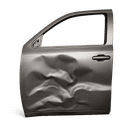
Physical Damage
Can help pay to repair or replace your own truck after an accident, fire, theft, or vandalism.
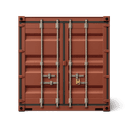
Cargo Coverage
May pay for damage to or theft of the freight you are hauling while it is in your care.
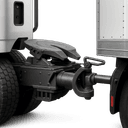
Trailer Interchange
Can help cover damage to trailers you haul under an interchange agreement but do not own.

Bobtail Coverage
May provide liability protection when you drive your tractor without a trailer attached, such as after dropping off a load.

Non-Trucking Liability
Can help cover accidents that happen when you use your truck for personal errands rather than dispatched work.
Commercial Truck Insurance Cost in Jersey City
Average Cost in New Jersey
$420 - $1,250
per month
Businesses in New Jersey typically see commercial truck insurance premiums of $420 - $1,250 per month, which tends to run 10% above the national range of $400 - $1,125 per month.
- Radius of operation
- Commodities hauled and cargo value
- Number and value of power units
- Driver motor vehicle records and CDL experience
- DOT safety record, inspections, and FMCSA scores
- Liability limits and physical damage deductibles
Contact CPK Insurance for a personalized quote.
Prices shown are general estimates, not guaranteed rates or quotes. Your actual premium will depend on the insurer, coverage selected, business details, location, claims history, and other underwriting factors. Learn about our pricing methodology.
Commercial truck insurance cost in New Jersey is shaped by a mix of vehicle type, route exposure, freight class, and the state's broader insurance market. Monthly costs vary widely by truck, and the New Jersey state-specific range runs higher than many other markets. That higher range fits the state's premium index of 136, which signals above-average pricing pressure for similar coverage. New Jersey also has 580 active insurers, so carriers compete, but the final price still depends on how risky your operation looks on paper.
Several local factors can move your premium up or down. Location is a major driver, and in New Jersey that can mean different pricing for trucks based near Newark, Jersey City, Trenton, Camden, or coastal areas exposed to hurricanes, flooding, and nor'easters. The state's climate profile lists hurricane, flooding, and nor'easter risk as high, and those conditions can influence physical damage coverage for trucks and cargo insurance. Claims history is another major factor, and high average claim costs in the state help explain why underwriters pay close attention to prior losses. Coverage limits and deductibles also matter, especially if you are adding motor carrier liability, trailer interchange, or non-trucking liability.
Industry and risk profile can also change pricing. A long-haul fleet moving through multiple states may price differently than a local delivery operation or a regional hauler with predictable routes. Endorsements can add cost, but they can also close gaps that matter in real dispatch work. New Jersey's strong small-business base means many buyers are comparing first-time quotes, renewal quotes, and bundled options. Since businesses should compare quotes from multiple carriers, the best approach is to ask for a quote with the same limits, deductibles, and endorsements across carriers so the comparison is meaningful.
Industries & Insurance Needs in Jersey City
County customer mix is the practical demand signal here. In Hudson County, the leading sectors by establishment share are retail trade at 14.7%, accommodation and food services at 12.1%, and health care and social assistance at 11.3%, so many local truck operations are serving businesses that depend on frequent, time-sensitive deliveries rather than occasional long-haul drops. That changes what an underwriter needs to understand.
If you deliver to retailers, restaurants, or care-related facilities, describe the cargo, stop count, delivery windows, and whether drivers handle hand-truck, pallet jack, or inside delivery work. Those details can matter more than a generic label like delivery or contractor use. They also affect what limits and endorsements you should review, especially if customers require certificates quickly or expect higher liability limits before access is granted. Bring a sample contract or vendor insurance requirement sheet into the quote process so the policy can be matched to the work you are actually taking.
What Makes Jersey City Different
Density is the difference. Here, many truck claims are shaped less by distance and more by how often your vehicles interact with people, parked cars, loading areas, and customer property in a compressed service area. That changes the buying calculus. A policy built around broad mileage assumptions can miss the real exposure if your drivers spend the day on short routes with constant stops and tight maneuvering.
The local customer base reinforces that pattern. Jersey City has a median household income of $94,813, which often supports steady demand for retail, food, service, and residential delivery activity, so your operation may face more schedule pressure, more delivery windows, and more customer-facing work than a fleet based in a lower-density market. The practical takeaway is to buy with operations detail, not just vehicle detail. Tell the quoting agent where trucks park, how many stops they make, whether they cross into New York, and whether drivers enter customer premises or only deliver dock to dock.
Our Recommendation for Jersey City
Start your review with the parts of the account that usually get simplified on applications. List each truck by use, normal radius, garaging location, and whether it handles parcel-style delivery, contractor hauling, food distribution, or scheduled business-to-business stops. If one unit does a different job than the rest, separate it clearly instead of describing the whole fleet in broad terms.
Next, gather the documents that tend to slow binding. That usually means driver information, loss runs, current declarations, vehicle schedules, and any contract language that requires additional insured status, waiver wording, or higher liability limits. If you serve buildings or commercial tenants with strict access rules, ask for certificate turnaround expectations before you choose a policy. You should also review physical damage deductibles against your cash flow, because urban-use trucks can produce smaller but frequent repair bills. A free quote works better when the submission shows exactly how your trucks operate, where they sleep, and what your customers require.
Get Commercial Truck Insurance in Jersey City
Enter your ZIP code to compare commercial truck insurance rates from carriers in Jersey City, NJ.
Business insurance starting at $25/mo
FAQ
Frequently Asked Questions
Jersey City routes should be described by stop count, delivery radius, parking location, and whether drivers cross into nearby markets. That helps the quote reflect dense local delivery work instead of treating every truck like a simple highway unit.
Jersey City accounts often serve business-heavy corridors in Hudson County, which has 14,194 establishments. That volume can mean more certificates, tighter delivery windows, and more customer-premises exposure, so your policy setup should match the work you actually perform.
Hudson County demand often comes from retail trade, accommodation and food services, and health care and social assistance, at 14.7%, 12.1%, and 11.3% respectively. Those sectors can increase time-sensitive stops, loading activity, and contract insurance requirements.
Jersey City driving can shift attention toward backing losses, curbside loading, mirror strikes, and parking-related damage. Review garaging, radius, deductibles, and cargo or equipment details so the policy matches repeated urban stops, not just annual mileage.
Jersey City policies are regulated at the state level by the New Jersey Department of Banking and Insurance. If you have a policy dispute or need regulatory guidance, that is the agency to reference after reviewing the issue with your agent or carrier first.
It can be built around motor carrier liability, physical damage, cargo coverage, trailer interchange, bobtail coverage, and non-trucking liability, depending on whether you run long haul, regional, or local routes in New Jersey.
New Jersey commercial auto minimums apply at the state level, but trucking operations often need higher limits because federal freight requirements and shipper contracts can exceed the state minimums.
The final price depends on several moving parts. Vehicle type, limits, deductibles, claims history, location, freight class, and endorsements all factor into what you pay, so two trucks in the same fleet can price differently based on use and exposure.
Sources
- 1.U.S. Census Bureau, County Business Patterns, Hudson County(Hudson County has 14,194 business establishments.; In Hudson County, the leading sectors by establishment share are retail trade at 14.7%, accommodation and food services at 12.1%, and health care and social assistance at 11.3%.)
- 2.U.S. Census Bureau, ACS 5-Year Estimates, table B19013(Jersey City has a median household income of $94,813.)
- 3.New Jersey Department of Banking and Insurance(The state regulator is the New Jersey Department of Banking and Insurance.)
Updated July 5, 2026





