Updated July 5, 2026

On-Hook Towing Insurance in Jersey City
A late night hook-up outside a high rise garage can go sideways fast here: tight ramps, curbside loading zones, and a customer who expects the vehicle back in the same condition it left. That is why on-hook towing insurance in Jersey City deserves a closer review than a generic urban quote. Your exposure is not just the tow itself. It is the handoff in dense mixed-use blocks, the turn out of valet or residential parking, and the short transport where a scrape, wheel issue, or undercarriage complaint becomes your problem to answer. Local buyers also tend to have more at stake in the vehicle they hand you. You should assume many claims will be argued hard and documented closely, so higher on-hook limits and clear damage procedures are worth reviewing before renewal. If your work includes private property tows, apartment complexes, garage pulls, or quick relocations near busy retail and restaurant corridors, ask for a quote built around where vehicles are picked up, how they are stored, and who signs off at release.
On-Hook Towing Insurance Risk Factors in Jersey City
Density is the local risk factor that changes the buying decision here. A simple roadside recovery is one thing. A pull from a stacked parking deck, a narrow service lane, or a crowded curb in a mixed residential and commercial block is different, because the chance of a disputed scratch, wheel damage allegation, or contact with another object rises during loading and short-distance movement. State hazard patterns can also matter when weather leaves streets slick or visibility poor, but the bigger local issue is how little room your operator has to work. That makes **documentation part of the coverage conversation**. Before you bind, review whether your policy terms fit garage extractions, private property towing, after-hours releases, and any storage handoff where damage timing can be disputed. You should also ask how the insurer wants losses documented, because photos, dispatch notes, and signed condition reports can matter as much as the limit you buy.
New Jersey has a moderate climate risk rating. Top hazards: Hurricane (High), Flooding (High), Nor'easter (High), Severe Storm (Moderate). The state's expected annual loss from natural hazards is $1.6B, which influences on-hook towing insurance premiums and may affect coverage availability in high-risk areas.
What On-Hook Towing Insurance Covers
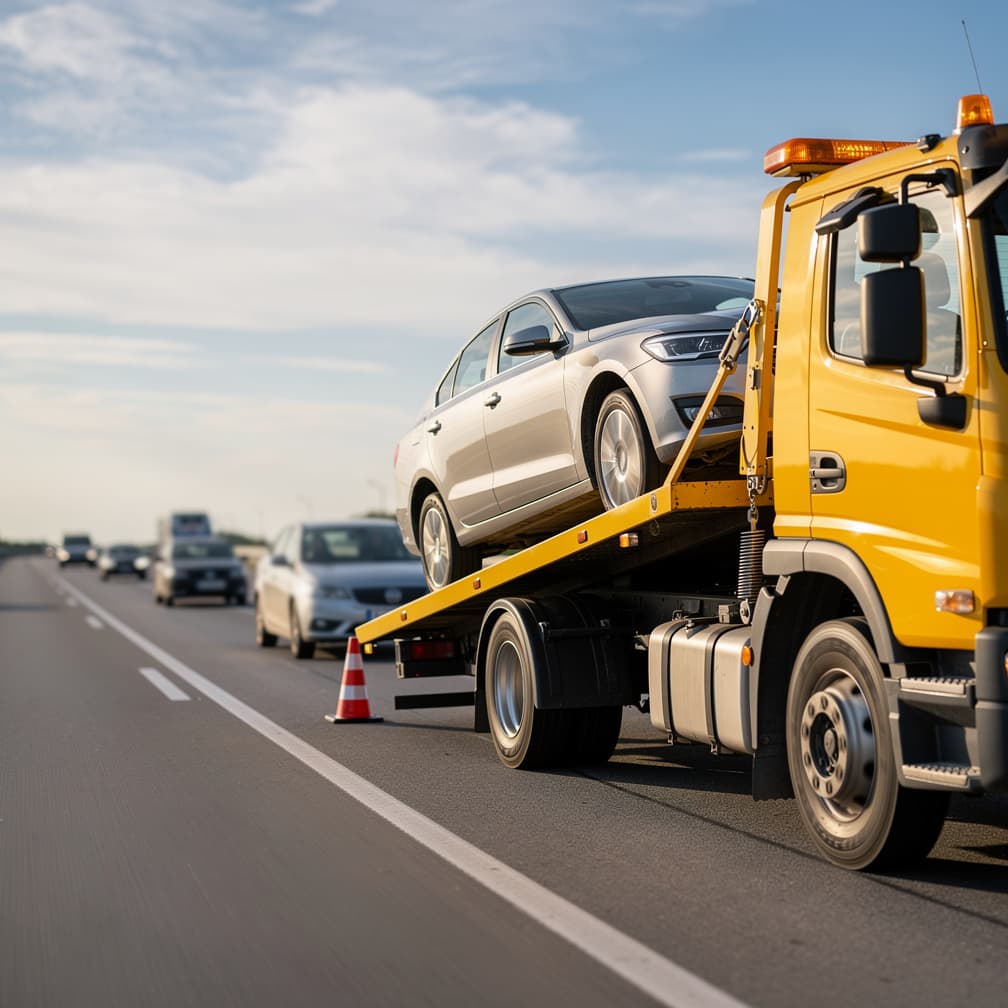
If your work includes apartment-complex removals, municipal towing, highway breakdowns, dealer transfers, or post-collision recovery, the exposure changes with each handoff, each loading surface, and each type of vehicle you move. Your policy review should focus on the real points where damage allegations start.
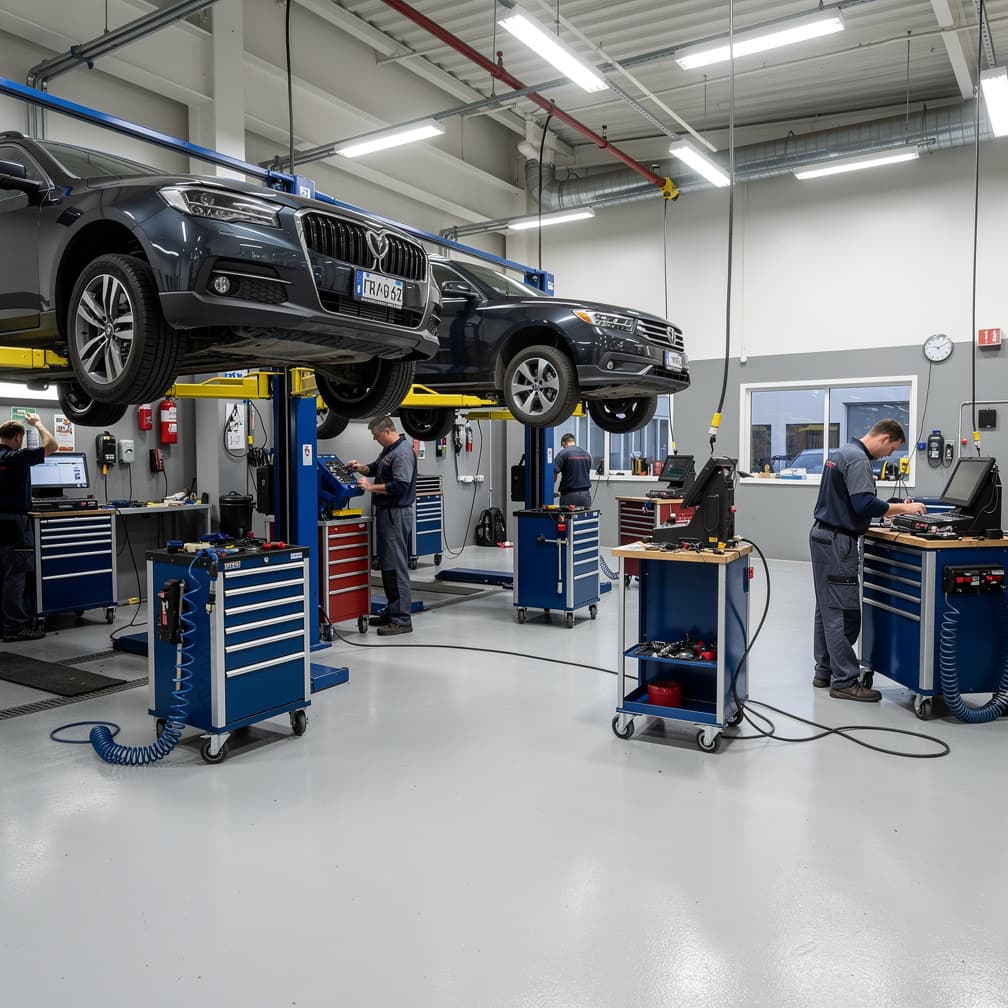
For many operators, the first issue is how vehicles are handled in confined spaces. Narrow parking rows, angled curbside pickups, low-clearance garages, and crowded roadside shoulders can all increase the chance of contact during hookup or unloading. If your drivers regularly reposition vehicles before attachment, use dollies, or winch units with existing body damage, you want those operating details disclosed up front so the quote is built around actual handling conditions.
The next issue is vehicle mix. A towing business that mostly moves standard passenger cars presents a different claim profile from one that also handles luxury vehicles, modified trucks, electric vehicles, or units with pre-existing suspension or body issues. You should ask how the insurer wants specialty tows described, whether premium units should be scheduled differently, and how claim documentation is expected when damage is alleged after transport.
You should also review where your on hook coverage ends and where your other policies begin. A New Jersey towing operation often needs clean coordination between this coverage, garagekeepers, auto liability, physical damage, and any inland marine or equipment coverage already in place. Before you buy, ask how each policy is expected to respond at every stage of the tow so there are no gaps in protection.
Coverage Included

Collision on Hook
Covers damage to towed vehicles from collisions during transport.
Comprehensive on Hook
Covers theft, fire, and weather damage to vehicles being towed.
Loading & Unloading
Covers damage during the process of loading and unloading vehicles.
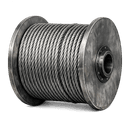
Winching Coverage
Covers damage to vehicles during winching and recovery operations.
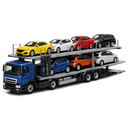
Multiple Vehicle
Covers all vehicles on multi-car carriers and rollback flatbeds.
Industries & Insurance Needs in Jersey City
Hudson County business density shapes towing demand in ways that can increase on-hook claim frequency. The county has 14,194 business establishments, and the leading sectors by establishment share are retail trade at 14.7%, accommodation and food services at 12.1%, and health care and social assistance at 11.3%. That mix means more calls tied to customer parking lots, restaurant and hotel zones, delivery conflicts, and medical campuses where vehicles are moved under time pressure and in tight circulation patterns. For an on-hook buyer, that matters because short urban tows often create more disagreement about pre-existing damage, wheel position, or where contact occurred than a longer highway haul. If your book includes commercial property managers, hospitals, retail centers, or restaurant-heavy corridors, ask for a quote that reflects those pickup environments and any after-hours authorization process, not just your truck count.
What Makes Jersey City Different
Density is what changes the calculus here. In a lower-friction market, on-hook exposure often centers on the transport leg. Here, the harder part can be the first few minutes: reaching the vehicle, loading it without contact in a confined space, and moving it through traffic, curbs, posts, gates, or garage geometry that leaves little margin for error. That is why a local quote should be built around job type, pickup setting, and release procedure, not treated like a standard towing form. The customer profile also matters. Owners may be quicker to challenge even minor cosmetic damage and more willing to document condition before and after a tow. If your operation handles apartment complexes, private lots, or garage removals, review whether your on-hook limit, deductibles, and claims workflow match that reality before you compare price alone.
Our Recommendation for Jersey City
Start by separating your work by pickup environment. If one truck mostly handles street recoveries and another does garage pulls or private property removals, say that clearly during quoting, because the damage scenarios are different. Next, review your on-hook limit against the kinds of vehicles you actually move and how often you tow from tight structures where undercarriage, wheel, and bumper complaints are common. It is also smart to tighten your evidence process. Ask drivers to photograph all sides when practical, note wheel condition, and record who authorized the tow and who accepted release. If you serve commercial accounts, confirm whether their locations create recurring exposures such as narrow ramps, gated lots, or after-hours pickups. Finally, compare quotes by exclusions and claims handling expectations, not just premium, because a cheaper form can cost more if a disputed damage claim falls into a gray area.
Get On-Hook Towing Insurance in Jersey City
Enter your ZIP code to compare on-hook towing insurance rates from carriers in Jersey City, NJ.
Business insurance starting at $25/mo
FAQ
Frequently Asked Questions
Jersey City garage and apartment pickups matter because confined ramps, posts, gates, and curbside congestion create more room for disputed vehicle-damage claims during loading and short moves. Ask whether your policy terms fit private property tows, garage extractions, and release procedures.
Jersey City buyers often should review higher limits if they handle private property tows, garage pulls, or vehicles in higher-value residential areas. If owners document condition closely and press damage claims harder, stronger limits and cleaner intake photos are worth reviewing.
Hudson County does affect exposure because the county has 14,194 business establishments, creating steady demand around lots, loading areas, restaurants, retail sites, and medical properties. If those accounts drive your calls, quote for pickup setting and authorization process, not just mileage.
Hudson County's mix points to retail trade at 14.7%, accommodation and food services at 12.1%, and health care and social assistance at 11.3%. Those locations often mean tighter circulation, faster vehicle turnover, and more disagreement about when damage happened.
Yes. Private property removals and similar jobs can involve tighter spaces, faster pickups, and more condition disputes. A quote works better when the insurer sees the full service mix before binding.
Compare quotes using the same truck list, driver information, service categories, and claim history each time. Then review deductibles, covered operations, and how each policy coordinates with your other coverages before choosing.
Yes. Roadside operators still need to review this exposure because many claims start during hookup, loading, transport, or unloading on routine calls. Short-distance towing does not remove the need to match coverage to actual handling conditions.
Insurance oversight runs through the New Jersey Department of Banking and Insurance. That agency sets the rules for how policies are sold and serviced in the state, so your coverage documents and any complaint or claim questions are handled under its framework.
Sources
- 1.U.S. Census Bureau, County Business Patterns, Hudson County(Hudson County has 14,194 business establishments.; Hudson County's leading sectors by establishment share are retail trade 14.7%, accommodation and food services 12.1%, and health care and social assistance 11.3%.)
Updated July 5, 2026