








































Updated July 16, 2026

Builders Risk Insurance in Newark
Newark's tight lots and active neighborhoods make builders risk placement more detail-driven than a typical ground-up build. Fewer carriers may want certain renovation classes, lenders and owners often ask for cleaner proof of coverage, and underwriters usually want a sharper description of how your site is secured, staged, and scheduled before they quote. Infill rehabs, mixed-use updates, and phased work on occupied properties are the norm here rather than simple ground-up builds on open land. You are often dealing with close lot lines, limited material laydown space, and neighbors or tenants who keep using part of the property while work continues. Those details affect how you present soft costs, temporary protection, theft controls, and who should be named on the policy. Essex County holds 19,330 business establishments, so you can expect lenders and commercial counterparties to routinely condition their funding on seeing certificates and contract alignment before any work starts. Bring your construction contract, draw schedule, and security plan, along with a clear statement of what existing structure value is and is not included, before you request quotes.
Builders Risk Insurance Risk Factors in Newark
Newark's top risk factors include Flooding, Hurricane damage, Coastal storm surge, and Wind damage.
New Jersey has a moderate climate risk rating. Top hazards: Hurricane (High), Flooding (High), Nor'easter (High), Severe Storm (Moderate). The state's expected annual loss from natural hazards is $1.6B, which influences builders risk insurance premiums and may affect coverage availability in high-risk areas.
What Builders Risk Insurance Covers
In New Jersey, the useful review is not the basic definition of builders risk, but how the policy language responds to the way your project is staged. A shore-area build may need closer attention on wind-driven rain, temporary enclosures, and when materials move from off-site storage to the job. An urban infill project may raise different questions about fencing, theft controls, neighboring structures, and how partial occupancy is handled if one portion opens before the rest of the work is complete.
You should read the covered property schedule carefully. On many jobs, the real issue is not whether the main structure is contemplated, but whether foundations, scaffolding, temporary works, construction forms, site-installed equipment, and materials waiting to be installed are addressed the way your contract expects. If the project relies on owner-supplied items, long-lead mechanical equipment, custom windows, or specialty finishes, ask where each category is covered while in transit, while stored, and once delivered.
Cause-of-loss wording matters just as much. New Jersey projects can face coastal weather, heavy rain, and storm-related disruption, so you should ask which perils are included, which are excluded, and whether flood, named storm, or water-related causes need separate treatment. Delay-related costs also deserve a direct conversation if financing, lease-up, or opening dates matter. The state regulator is the New Jersey Department of Banking and Insurance. If a policy form, notice, or producer explanation seems unclear, you can file a complaint or request guidance from that office, so slow down and ask for the wording that controls before you commit to coverage.
Coverage Included

Structure Coverage
Covers the building or structure under construction.

Materials on Site
Covers building materials stored at the construction site.

Materials in Transit
Covers materials being transported to the job site.
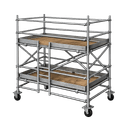
Temporary Structures
Covers scaffolding, fencing, and temporary buildings.

Soft Costs
Covers additional expenses from construction delays due to covered losses.

Equipment Coverage
Covers permanently installed fixtures and equipment.
Industries & Insurance Needs in Newark
Essex County business mix changes the kinds of projects that show up and the paperwork that follows them. Health care and social assistance accounts for 13.4% of county establishments, retail trade 13.3%, and professional, scientific, and technical services 11.3%, so a lot of local construction work touches occupied offices, storefronts, clinics, and service spaces rather than only vacant shells. For a builders risk buyer, that means the insurance conversation often turns on phased renovations, tenant improvements, protection of materials waiting for installation, and whether business personal property or existing structures need to be handled somewhere other than the builders risk form. It also means lease language, lender requirements, and indemnity provisions can matter as much as the completed value worksheet. Before you shop, line up the construction agreement, any lease exhibits, and a schedule showing when occupancy continues and when areas come offline, so the quote reflects the project you are actually building.
What Makes Newark Different
Occupied renovation is where the placement math shifts most. In Newark, many projects are not clean-slate builds with a fenced perimeter and empty interior. Instead, they are rehabs, additions, and fit-outs where part of the structure stays in service, access is tight, and the line between existing building, new work, and tenant property has to be drawn carefully. That distinction matters because underwriters usually want to know what value is under construction, what remains excluded, and whether temporary protections are in place while the building is only partially secured. Newark's older housing stock and tight lot geometry push these issues to the front of the underwriting conversation. The median home value of $337,800 means a typical rehab can carry enough completed value that lenders want the worksheet tied to actual scope rather than a rough estimate, protecting you from a shortfall if a loss occurs before finishes are done. If your job includes an existing structure, ask early how the policy treats that portion and whether separate property coverage needs to stay in force during the build.
Our Recommendation for Newark
Tell the underwriter the project story, not just the address and budget. If the job is a rowhouse rehab, mixed-use renovation, or tenant build-out, spell out what stays occupied, how you separate public access from the work area, where materials are stored, and when the building will be dried in. That gives underwriters a reasoned basis to review theft, vandalism, water damage, and soft cost exposure instead of guessing from a generic application. If the project is residential, keep the economics realistic. Newark's median household income is $48,416, so many owners cannot fund a full gut at once and instead phase the work or defer finishes. Reporting scope changes promptly keeps your completed value from drifting below actual replacement cost. Review the completed value after major change orders, confirm whether ordinance-related upgrades belong elsewhere, and make sure the named insureds match the contract before closing or the first draw.
Get Builders Risk Insurance in Newark
Enter your ZIP code to compare builders risk insurance rates from carriers in Newark, NJ.
Business insurance starting at $25/mo
FAQ
Frequently Asked Questions
Rehab projects usually get reviewed more smoothly when you provide occupancy status, scope by floor or unit, security measures, material storage plans, and a clear split between existing structure value and new work.
Mixed-use jobs often need closer review when retail or office tenants remain open during construction. Builders risk may need to be coordinated with property and liability policies so the work area, existing building, and tenant property are not treated as the same exposure.
Bring the loan requirements and construction agreement into the quote process early. Lenders and counterparties in this county routinely condition their funding on seeing certificates, named insured alignment, and contract consistency before releasing funds or access.
Essex County is heavy in health care and social assistance, retail trade, and professional services, at 13.4%, 13.3%, and 11.3% of establishments respectively. Your tenant improvement project is more likely to involve an occupied medical office, storefront, or professional suite where shutting down operations is not an option. Phased scheduling and contract coordination deserve extra attention in those settings.
Residential jobs should be revisited after major change orders, scope additions, or finish upgrades. Even modest projects can outgrow the original worksheet if labor, materials, or planned improvements change midstream, leaving you with a **delay-related costs** gap you did not expect.
Renovation projects often warrant builders risk review when the work is substantial, financed, or contractually required. The key step is making sure the policy matches the actual exposure, which means clarifying what the project covers versus what sits under an existing property policy.
Projects should not assume flood is automatically included. If the site is near the coast, tidal water, or a location with recurring water issues, ask for a direct review of flood and other water-related causes of loss before you commit to coverage.
Contracts often decide that question. Owners commonly purchase the policy, but lenders, developers, and general contractors may all have requirements or interests that need to be reflected in the policy structure and evidence of coverage.
Sources
- 1.U.S. Census Bureau, County Business Patterns, Essex County(Newark also sits inside a county with 19,330 business establishments, so owners, lenders, and commercial counterparties are used to asking for certificates and contract alignment before funds release or work starts.; Health care and social assistance accounts for 13.4% of county establishments, retail trade 13.3%, and professional, scientific, and technical services 11.3%, so a lot of local construction work touches occupied offices, storefronts, clinics, and service spaces rather than only vacant shells.)
- 2.U.S. Census Bureau, ACS 5-Year Estimates, table B25077(The local housing stock also shapes expectations: Newark's median home value is $337,800, so even smaller residential projects can involve enough property value that lenders, owners, or investors want tighter documentation around completed value, change orders, and delay-related costs.)
- 3.U.S. Census Bureau, ACS 5-Year Estimates, table B19013(Newark's median household income is $48,416, so affordability pressure can push owners to phase work, defer finishes, or change scope mid-project, and those changes should be reported before they create a valuation gap.)
Updated July 16, 2026





