







































Updated July 16, 2026

Commercial Truck Insurance in Newark
If your trucks move through Newark, the insurance conversation shifts quickly. This city is tighter, busier, and more exposure-heavy than a generic statewide profile suggests. Commercial truck insurance in Newark has to account for dense freight corridors, frequent stops, and the mix of urban delivery, port-adjacent hauling, and short-haul movement that puts trucks in contact with congestion and higher claim frequency.
Newark sits in a market with a cost of living index of 126 and a median household income of $105,867, which means you can expect steeper labor, repair, and storage costs than in cheaper regions. In practical terms, a single repair bill can run hundreds of dollars higher here than it would in a cheaper region. When you compare your core coverages, the policy needs to match how the truck is used, where it is parked, and how often it is on the road. Whether you run a single tractor or a delivery operation with regular city stops, your quote should reflect your actual route profile rather than a broad New Jersey average.
Commercial Truck Insurance Risk Factors in Newark
Newark’s risk profile affects commercial truck insurance coverage in Newark in ways that are very route-specific. The city’s overall crime index is 69, with property crime still a practical concern for vehicles, trailers, and cargo left in unsecured or high-traffic areas. Flooding is a major local issue, and **27% of the area is in a flood zone**, which can matter for physical damage coverage for trucks in Newark and cargo insurance for trucks in Newark if equipment is stored or staged near vulnerable locations. The city also faces hurricane damage, coastal storm surge, and wind damage exposure, so policies tied to trailer interchange or parked equipment should be reviewed closely. Newark’s auto accident data shows 7,619 annual crashes, a crash rate of 2,436 per 100,000 residents, and distracted driving as the top cause at 39.1%, followed by speeding at 19.2% and following too closely at 19%. That combination can raise the importance of motor carrier liability coverage in Newark and careful deductible selection for collision-related losses.
New Jersey has a moderate climate risk rating. Top hazards: Hurricane (High), Flooding (High), Nor'easter (High), Severe Storm (Moderate). The state's expected annual loss from natural hazards is $1.6B, which influences commercial truck insurance premiums and may affect coverage availability in high-risk areas.
What Commercial Truck Insurance Covers
Your policy is built to fit trucking risks that show up on crowded interstates, coastal corridors, and urban delivery routes. The core coverages in this product include motor carrier liability, physical damage, cargo coverage, trailer interchange, bobtail coverage, and non-trucking liability insurance. For a New Jersey trucking business, motor carrier liability is the foundation when you are hauling freight under dispatch, while cargo coverage can help protect goods in transit and trailer interchange can matter if you use trailers you do not own. Physical damage coverage for trucks is especially relevant if your vehicles are exposed to collision losses or weather-related damage.
New Jersey does not use this product as a one-size-fits-all package, so coverage needs can vary by industry and business size. That means your policy structure, limits, and endorsements should be reviewed against your route profile and freight type. State commercial auto minimums apply, but trucking operations often need higher limits because federal freight requirements and shipper expectations can exceed those amounts. General freight carriers are subject to a federal minimum in liability coverage, with even higher limits required for hazardous materials.
Exclusions and coverage details vary by policy form, deductible choice, and endorsements. A policy should be checked carefully if you cross state lines, interchange trailers, or operate both on-dispatch and off-dispatch. In a state with 254,600 businesses, dense freight movement, and frequent weather events, the coverage structure matters as much as the price.
Coverage Included

Motor Carrier Liability
Can help cover injuries and property damage your truck causes to others, a coverage federal regulators require most for-hire carriers to maintain.
Physical Damage
Can help pay to repair or replace your own truck after an accident, fire, theft, or vandalism.
Cargo Coverage
May pay for damage to or theft of the freight you are hauling while it is in your care.
Trailer Interchange
Can help cover damage to trailers you haul under an interchange agreement but do not own.
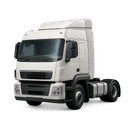
Bobtail Coverage
May provide liability protection when you drive your tractor without a trailer attached, such as after dropping off a load.

Non-Trucking Liability
Can help cover accidents that happen when you use your truck for personal errands rather than dispatched work.
Commercial Truck Insurance Cost in Newark
Average Cost in New Jersey
$420 - $1,250
per month
Businesses in New Jersey typically see commercial truck insurance premiums of $420 - $1,250 per month, which tends to run 10% above the national range of $400 - $1,125 per month.
- Radius of operation
- Commodities hauled and cargo value
- Number and value of power units
- Driver motor vehicle records and CDL experience
- DOT safety record, inspections, and FMCSA scores
- Liability limits and physical damage deductibles
Contact CPK Insurance for a personalized quote.
Prices shown are general estimates, not guaranteed rates or quotes. Your actual premium will depend on the insurer, coverage selected, business details, location, claims history, and other underwriting factors. Learn about our pricing methodology.
Commercial truck insurance cost in New Jersey is shaped by a mix of vehicle type, route exposure, freight class, and the state's broader insurance market. Monthly costs vary widely by truck, and the New Jersey state-specific range runs higher than many other markets. That higher range fits the state's premium index of 136, which signals above-average pricing pressure for similar coverage. New Jersey also has 580 active insurers, so carriers compete, but the final price still depends on how risky your operation looks on paper.
Several local factors can move your premium up or down. Location is a major driver, and in New Jersey that can mean different pricing for trucks based near Newark, Jersey City, Trenton, Camden, or coastal areas exposed to hurricanes, flooding, and nor'easters. The state's climate profile lists hurricane, flooding, and nor'easter risk as high, and those conditions can influence physical damage coverage for trucks and cargo insurance. Claims history is another major factor, and high average claim costs in the state help explain why underwriters pay close attention to prior losses. Coverage limits and deductibles also matter, especially if you are adding motor carrier liability, trailer interchange, or non-trucking liability.
Industry and risk profile can also change pricing. A long-haul fleet moving through multiple states may price differently than a local delivery operation or a regional hauler with predictable routes. Endorsements can add cost, but they can also close gaps that matter in real dispatch work. New Jersey's strong small-business base means many buyers are comparing first-time quotes, renewal quotes, and bundled options. Since businesses should compare quotes from multiple carriers, the best approach is to ask for a quote with the same limits, deductibles, and endorsements across carriers so the comparison is meaningful.
What Makes Newark Different
The biggest difference in Newark is the combination of dense urban exposure and flood-prone geography. A truck here is more likely to face frequent stops, tighter maneuvering, heavier traffic interaction, and limited parking options than a truck operating in a less concentrated area. Your policy is not just about liability on the road but also about how the vehicle and freight are protected when they are parked, loaded, or waiting between jobs.
Newark carries 27% flood-zone exposure, along with local hurricane, coastal storm surge, and wind damage risks. That means a truck staged in the wrong lot during a coastal storm can take on water damage before it ever leaves the yard. Where you stage trucks and trailers directly shapes how physical damage coverage should be structured. The city also logs 7,619 annual crashes with a high distracted-driving share, which makes collision and liability planning more important than in lower-traffic markets.
Our Recommendation for Newark
For Newark buyers, start with the route map, not the application form. Underwriters usually respond better when you can explain whether your trucks run local delivery, regional hauling, or long-haul trips through the city, and whether they are parked near flood-prone or high-traffic areas. Ask for a quote that clearly separates your core coverages so you can see where each exposure is priced.
If your operation uses trailers you do not own, trailer interchange should be reviewed carefully, and if your truck is sometimes driven outside dispatch, bobtail coverage and non-trucking liability may need to be addressed. Because Newark has a higher cost of living and a busy commercial base, documenting your garaging addresses, driver schedules, and parking security before you request quotes gives carriers the detail they need to price your actual risk.
Get Commercial Truck Insurance in Newark
Enter your ZIP code to compare commercial truck insurance rates from carriers in Newark, NJ.
Business insurance starting at $25/mo
FAQ
Frequently Asked Questions
Most Newark operators should start with motor carrier liability, physical damage coverage, and cargo insurance, then add trailer interchange, bobtail coverage, or non-trucking liability if your routes and equipment use create those exposures.
Because 27% of the area sits in a flood zone, trucks, trailers, and cargo staged in certain locations may face higher weather-related exposure, which can affect how physical damage and cargo coverage are reviewed.
Newark's 7,619 annual crashes, a crash rate of 2,436 per 100,000 residents, and high distracted-driving share can increase concern around collision and liability losses, especially for trucks making frequent city stops. In practical terms, that means a single distracted driver on Route 21 can turn a routine delivery into a multi-vehicle claim.
Yes. Retail, healthcare, and food-service demand can create frequent delivery routes and time-sensitive hauling, which often means more attention to cargo protection, liability limits, and vehicle damage coverage. When a grocery chain needs a refrigerated load delivered on a tight window, the pressure to stay on schedule can push drivers into riskier traffic decisions.
Be ready with your garaging address, route types, trailer use, driver list, and whether you run local, regional, or long-haul operations. When you bring those specifics to the table, the quote can reflect Newark-specific exposure rather than a generic state profile.
It can be built around motor carrier liability, physical damage, cargo coverage, trailer interchange, bobtail coverage, and non-trucking liability, depending on whether you run long haul, regional, or local routes in New Jersey.
New Jersey commercial auto minimums apply at the state level, but trucking operations often need higher limits because federal freight requirements and shipper contracts can exceed the state minimums.
The final price depends on several moving parts. Vehicle type, limits, deductibles, claims history, location, freight class, and endorsements all factor into what you pay, so two trucks in the same fleet can price differently based on use and exposure.
Updated July 16, 2026





