







































Updated July 5, 2026

Dealer Open Lot Insurance in Newark
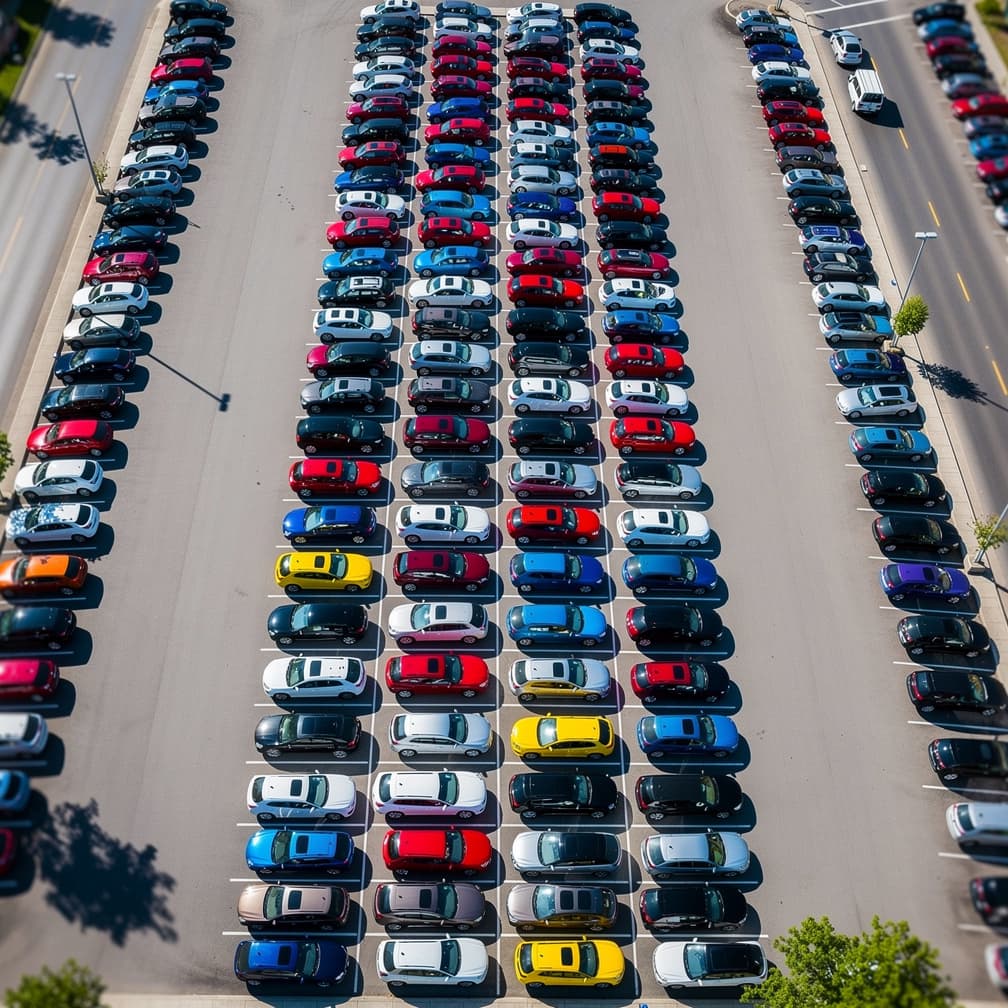
A smaller local market changes how you shop this coverage. You may see fewer carriers willing to look at a modest independent lot, and the ones that do usually want cleaner submissions, clearer photos, and faster proof of where every unit is stored before they quote. That makes dealer open lot insurance in Newark less about chasing a rough number and more about presenting your operation in a way an underwriter can approve without extra back and forth. Here, buyers, lenders, and neighboring property owners often expect certificates and loss-payee updates to be handled quickly, especially if you use shared space, overflow parking, or a mixed-use address. Newark also sits inside a county with a large base of business establishments, so your lot often operates near other active commercial users, not in isolation. That density can affect how you document fencing, lighting, key control, and after-hours access, because an underwriter will want to understand who can get near the inventory and when. Before you request terms, pull a current inventory list, site photos from each entrance, and any lease language that assigns responsibility for the paved area.
Dealer Open Lot Insurance Risk Factors in Newark
Newark's top risk factors include Flooding, Hurricane damage, Coastal storm surge, and Wind damage.
New Jersey has a moderate climate risk rating. Top hazards: Hurricane (High), Flooding (High), Nor'easter (High), Severe Storm (Moderate). The state's expected annual loss from natural hazards is $1.6B, which influences dealer open lot insurance premiums and may affect coverage availability in high-risk areas.
What Dealer Open Lot Insurance Covers
Your policy can help cover physical damage to sale units caused by weather, theft, vandalism, fire, and collision while parked on your lot. In New Jersey, the practical coverage review usually starts with where your inventory spends time. A dealer with all sale units on one fenced location has a different exposure than a dealer that rotates vehicles between the main lot, an overflow parcel, a service area, and temporary offsite storage. If your operation uses more than one address, ask the agent to confirm each location is scheduled correctly and that the policy language matches how vehicles are actually stored and moved.
Weather exposure deserves a closer look here because lot losses are often concentrated. If units are parked close together, one falling object, one drainage problem, or one wind event can affect multiple vehicles at once. That makes it important to review whether your limit is high enough for your busiest inventory periods and whether any sublimits, location restrictions, or valuation terms could leave a gap after a larger loss. If you carry specialty units, rebuilt inventory, or higher value trucks and SUVs, make sure those categories are described accurately before the quote is finalized.
You should also review how the policy treats ordinary dealership handling. That includes movement around the lot, trips between owned locations, time in reconditioning or detail areas, and any temporary storage arrangement you rely on during auctions or seasonal inventory swings. If customer test drives, loaners, or service operations create separate exposures, keep those discussions distinct so you do not assume one policy section handles another.
Coverage Included

Weather Damage
Covers hail, wind, flood, and storm damage to lot inventory.
Theft Protection
Covers vehicles stolen from your lot.

Fire Damage
Covers fire and explosion damage to inventory vehicles.

Vandalism
Covers intentional damage to vehicles on your lot.
Test Drive Coverage
Covers vehicles during customer and employee test drives.
Transit Coverage
Covers vehicles being moved between lot locations.
What Makes Newark Different
Commercial density is the main thing that changes the buying calculus here. A dealer lot in this market often sits beside other businesses, shared drive aisles, customer parking, repair activity, or mixed-use property lines, so the underwriting conversation gets more specific about premises control. Essex County has 19,330 business establishments, so a local dealer should expect more questions about who uses adjacent pavement, whether transport trucks block access, and how vehicles are separated from non-dealer traffic after hours. That does not automatically mean higher premiums. It does mean cleaner documentation matters more. If your lot uses a secondary storage area, a rear fenced section, or spaces governed by a landlord, show that layout up front instead of waiting for inspection questions. The practical advantage is speed: a submission that explains entrances, barriers, camera views, and key custody gives an underwriter fewer reasons to delay or narrow terms. In a tighter market, that can matter as much as the inventory schedule itself.
Our Recommendation for Newark
Start with control points an underwriter can verify quickly. Mark every place inventory is kept, even if a few units rotate through a side area or temporary overflow arrangement, and match those addresses to your photos and inventory schedule. If your lot shares access with another tenant, explain where dealer vehicles end and common parking begins. That distinction matters more in a dense commercial setting than many owners expect. You should also review who needs to be listed on certificates or loss-payable documents before binding, because delays often come from paperwork, not coverage design. Newark households report a median household income of $48,416, so many local buyers shop payment first and vehicle type second. For a dealer, that can translate into faster inventory turns at certain price points and changing concentrations on the lot from week to week. Ask for terms that can be reviewed as values shift, and update your agent before a seasonal build-up leaves your reported exposure behind your actual inventory.
Get Dealer Open Lot Insurance in Newark
Enter your ZIP code to compare dealer open lot insurance rates from carriers in Newark, NJ.
Business insurance starting at $25/mo
FAQ
Frequently Asked Questions
Newark submissions often need more premises detail because lots here can sit near other active commercial users. Underwriters usually want photos, access points, fencing details, and a clear map of where dealer inventory is actually kept.
Newark shared-space arrangements can be harder to place if the submission does not show who controls each section of pavement. A simple site diagram, lease language, and after-hours access plan can help an underwriter understand where dealer inventory begins and common parking ends.
Essex County business mix matters when it affects traffic flow and neighboring use. Health care and social assistance accounts for 13.4% of establishments, retail trade 13.3%, and professional, scientific, and technical services 11.3%, so nearby customer traffic and shared access should be documented clearly.
Newark dealers should review reported values whenever inventory concentration changes materially. Local household budgets can influence which units move fastest, and the city's median household income is $48,416, so your lot mix can shift enough to justify a midterm review.
Newark deals often move faster when you identify lenders, landlords, and any party requiring proof of coverage before binding. If your lot uses leased pavement or overflow space, confirm the exact named insured, address, and document wording before the application goes out.
Yes. Even a handful of sale units parked outdoors packs significant value into a tight space, meaning one theft or storm can hit several vehicles at once.
Hand underwriters a clean, complete picture. Current inventory reports, documented key procedures, and realistic values mean fewer unanswered questions and less padding for uncertainty.
It can, but only if the address and its use are properly disclosed and scheduled. Get written confirmation before you rely on that location.
Sources
- 1.U.S. Census Bureau, County Business Patterns, Essex County(Essex County has 19,330 business establishments, so a local dealer should expect more questions about who uses adjacent pavement, whether transport trucks block access, and how vehicles are separated from non-dealer traffic after hours.; Health care and social assistance accounts for 13.4% of establishments, retail trade 13.3%, and professional, scientific, and technical services 11.3%, so nearby customer traffic and shared access should be documented clearly.)
- 2.U.S. Census Bureau, ACS 5-Year Estimates, table B19013(Newark households report a median household income of $48,416, so many local buyers shop payment first and vehicle type second.)
Updated July 5, 2026





