
Updated July 5, 2026

Homeowners Insurance in Newark
Buying a rowhouse, condo, or two-family place here often means looking past the listing photos and into the building details that drive a real coverage review: masonry versus frame construction, finished basements, shared walls, detached garages, and whether updates to roof, wiring, plumbing, or heating are documented. Homeowners insurance in Newark should be quoted around how the property is actually built and occupied, not just its sale price. That matters in neighborhoods with a mix of older homes, converted multifamily buildings, and attached housing, where one loss can involve your unit, a neighboring structure, and personal property stored below grade.
Local affordability also changes how people shop. A deductible that looks manageable on paper can still be hard to absorb after a water loss or theft claim. You should also separate market value from dwelling coverage and ask how the insurer is estimating reconstruction cost for your specific address. Before you bind a policy, review ordinance or law coverage, water backup options, and loss settlement terms, then compare those against the home's age, layout, and recent renovations.
New Jersey has a moderate climate risk rating. Top hazards: Hurricane (High), Flooding (High), Nor'easter (High), Severe Storm (Moderate). The state's expected annual loss from natural hazards is $1.6B, which influences homeowners insurance premiums and may affect coverage availability in high-risk areas.
What Homeowners Insurance Covers
Your homeowners policy is built around core protections, and local risk shapes how you should structure them. Dwelling coverage pays to repair or rebuild the home itself after a covered loss. Local construction costs and labor rates mean replacement cost can be meaningfully different from the price you paid for the house in places like Trenton, Montclair, or Red Bank.
Personal property coverage helps replace belongings after covered theft or fire. Liability coverage matters if someone is injured on your property, and additional living expenses coverage can help with temporary housing if a covered loss makes the home unlivable.
Standard policies generally exclude flood damage, so flood coverage is usually handled separately through NFIP or private flood insurers. That exclusion is critical because New Jersey faces high hurricane, flooding, and nor'easter risk. Recent severe weather events have included flash flooding, coastal storm surge, and nor'easters that caused widespread property damage. Wind or hurricane deductibles may also apply separately in coastal areas, so the deductible structure can differ from a standard all-peril claim.
Other structures coverage and medical payments coverage are also part of the typical policy structure, but the exact terms depend on the carrier and endorsements you choose. Because the New Jersey Department of Banking and Insurance regulates the market, policy language and endorsements should be reviewed carefully before you bind coverage.
Coverage Included
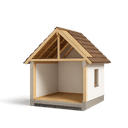
Dwelling
Repairs or rebuilds your home itself, the walls, roof, floors, built-in appliances, and attached structures like a garage, after a covered loss. Set this limit to the full cost of rebuilding, not market value.
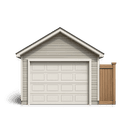
Other Structures
Detached structures on your property, such as a fence, shed, detached garage, or gazebo. Usually set at about 10 percent of your dwelling limit [2].

Personal Property
Your belongings, furniture, clothing, electronics, and appliances, generally written at 50 to 70 percent of your dwelling limit [2]. High-value items like jewelry and art carry special limits.

Additional Living Expenses
Also called loss of use. Pays your added living costs, hotel stays, meals, and a temporary rental, while a covered loss makes your home uninhabitable. Usually set at about 20 percent of your dwelling limit.

Liability
Covers you if someone is injured on your property, or you damage someone else's property, and you are found responsible. The standard $100,000 limit [2] is often raised to $300,000 or $500,000.

Medical Payments
Pays small medical bills, commonly $1,000 to $5,000, if a guest is hurt at your home regardless of fault, without a formal liability claim.
Homeowners Insurance Cost in Newark
Average Cost in New Jersey
$90 - $240
per month
In New Jersey, homeowners insurance premiums typically run $90 - $240 per month, which tends to run 8% below the national range of $110 - $250 per month.
- Home replacement cost, age, and construction type
- Roof age, material, and condition
- ZIP code and local weather risk (wind, hail, wildfire, hurricane)
- Coverage limits and endorsements
- All-peril and percentage wind/hail deductibles
- Claims history and insurance score where allowed
Typical range for many standard homeowners profiles; lower-risk homes fall below it and coastal, wildfire, or older-roof homes can run well above. Final pricing depends on property details, location, underwriting, and selected coverage.
Prices shown are general estimates, not guaranteed rates or quotes. Your actual premium will depend on the insurer, coverage selected, personal details, location, claims history, and other underwriting factors. Learn about our pricing methodology.
The cost of homeowners insurance in New Jersey is shaped by both property values and the state's exposure to weather losses. New Jersey is a higher-cost market overall, meaning you can expect to pay more for coverage than you would in many other states.
That combination usually means some homes can be priced competitively while others, especially in higher-risk coastal or storm-exposed locations, can see much higher quotes. Local construction costs and labor rates have a high impact, and rebuilding needs can be higher than many owners expect.
Claims history in the area, local crime rates, age and condition of the dwelling, and credit-based insurance score all affect pricing. Your credit-based insurance score is a rating factor derived from elements of your credit history, and carriers use it alongside claims and property data to help set your premium. The market is large, so quote comparisons can vary widely by underwriting appetite. Coastal homes may also face separate wind or hurricane deductibles, which can change the out-of-pocket cost even if the monthly premium looks reasonable. When comparing costs, look at the full package: premium, dwelling limit, deductible, endorsements, and whether flood coverage must be purchased separately.
What Affects Homeowners Insurance Rates in Newark
Newark's median household income is $48,416, so the practical cost question is not only premium, it is how much loss you can realistically retain without derailing repairs. A lower premium paired with a high deductible, limited water backup coverage, or actual cash value settlement on parts of the home can shift too much of the claim back onto you.
It also helps to separate what you paid, what the market says the property is worth, and what it may cost to rebuild after a covered loss. Those are not the same number. When you compare quotes, ask the agent to walk line by line through dwelling, other structures, personal property, loss of use, and deductible choices. Then test a few scenarios: a kitchen fire, a burst pipe, or a basement backup. That review helps you decide whether you are buying a workable claims position or just a lower bill.
What Makes Newark Different
Building mix is the main thing that changes the homeowners decision here. In a market with attached housing, older structures, condos, and small multifamily conversions, the policy form matters as much as the limit. A buyer who assumes every home should fit the same template can miss important differences in responsibility for walls, systems, common elements, detached structures, or tenant-caused damage.
That is why the first review should focus on the property's legal and physical setup. If you are buying a condo, compare the association's master policy against your unit policy so you know where the association stops and your responsibility starts. If you are buying a two-family and living in one unit, ask whether the quote is written for owner occupancy with tenant exposure properly disclosed. If the home is older, request confirmation that updates to electrical, plumbing, heating, and roof age are reflected in underwriting. Those details change claim handling, not just eligibility, and they are usually more important than shaving a small amount off the premium.
Our Recommendation for Newark
Start with the address and occupancy, then work outward. Ask for a quote built around the actual property type, condo, single-family, attached rowhouse, or owner-occupied multifamily, and make the agent confirm that the form matches how the home is used. If the seller mentions recent renovations, ask for those updates to be reflected in the application rather than assumed later.
Next, stress-test the quote against common urban claim friction. Review water backup, ordinance or law, loss of use, and liability limits with examples tied to your layout, especially if you have a basement, shared walls, or a detached garage. If personal property is stored below grade, ask whether any category limits or exclusions apply. If you own higher-value jewelry, electronics, or tools, ask whether scheduled coverage makes more sense than relying on standard sublimits.
Finally, compare settlement terms, not just premium. Replacement cost versus actual cash value, deductible size, and any special limits often decide whether a claim feels manageable. Get those answers before closing or renewal so you can adjust the quote while underwriting details are still easy to document.
Get Homeowners Insurance in Newark
Enter your ZIP code to compare homeowners insurance rates from carriers in Newark, NJ.
Home insurance starting at $50/mo
FAQ
Frequently Asked Questions
Newark rowhouse buyers should verify shared-wall exposure, roof responsibility, basement water backup options, and whether the quote reflects attached construction. Ask how repairs are handled if a fire or leak affects neighboring property, because claim complexity can be higher than with a detached home.
Newark condo owners usually need a unit policy that matches the association's master policy, not a standard house form. Review where the association stops, what interior items you insure yourself, and whether loss assessment coverage should be added before you close.
Newark's median home value is $337,800, but your dwelling limit should be based on estimated rebuild cost for your specific home, not the market value alone. Ask the insurer how construction type, square footage, and updates affect that calculation.
Newark homeowners insurance buyers should choose a deductible that matches what they could actually pay after a covered loss. A lower premium can backfire if the out-of-pocket amount delays repairs, temporary housing, or replacing damaged belongings.
A standard policy typically includes dwelling, personal property, liability, additional living expenses, other structures, and medical payments, but whether a specific loss is covered depends entirely on your policy terms, the carrier, and the endorsements you select.
You should aim for enough dwelling coverage to rebuild your home at current local construction costs, which matters because labor and materials can raise replacement cost above the home's market value.
Yes, mortgage lenders usually require it, even though New Jersey does not legally require every homeowner to buy a policy before taking ownership of the property.
No. Standard homeowners insurance excludes flood damage, which means you would need a separate flood policy through NFIP or a private flood insurer for that protection. This is a common gap for Jersey Shore and inland riverfront properties alike, so it is worth checking your flood zone before you bind coverage.
Sources
- 1.U.S. Census Bureau, ACS 5-Year Estimates, table B19013(Newark's median household income is $48,416, so the practical cost question is not only premium, it is how much loss you can realistically retain without derailing repairs.)
- 2.U.S. Census Bureau, ACS 5-Year Estimates, table B25077(Newark's median home value is $337,800, but your dwelling limit should be based on estimated rebuild cost for your specific home, not the market value alone.)
Updated July 5, 2026