Updated July 5, 2026

Commercial Auto Insurance in Paterson
If you run service vans, delivery cars, or a small contractor fleet here, your vehicles probably do not stay on one simple route. They move between tight commercial blocks, mixed residential streets, customer pickups, supplier stops, and short-turn jobs that stack up across the day. That operating pattern is why commercial auto insurance in Paterson should be reviewed around how each vehicle is actually used, parked, loaded, and assigned to drivers, not just how many units you own. A florist making same-day drops, a home health business sending staff to appointments, and a retail operator restocking from nearby wholesalers can all need very different liability limits and physical damage choices. If a vehicle is shared across employees, garaged off-hours at a home, or carries tools and inventory, say that up front so the quote matches real use. The goal here is practical: line up vehicle type, radius, driver roster, and downtime tolerance before you compare options, so a claim does not expose a gap you only notice after the loss.
Commercial Auto Insurance Risk Factors in Paterson
Paterson's top risk factors include Flooding, Hurricane damage, Coastal storm surge, and Wind damage. Flooding can cause significant vehicle damage, make sure comprehensive coverage is included.
New Jersey has a moderate climate risk rating. Top hazards: Hurricane (High), Flooding (High), Nor'easter (High), Severe Storm (Moderate). The state's expected annual loss from natural hazards is $1.6B, which influences commercial auto insurance premiums and may affect coverage availability in high-risk areas.
What Commercial Auto Insurance Covers
In New Jersey, commercial auto insurance is built around business-use vehicles, and the coverage choices should reflect the state's minimum liability rule for commercial vehicles. That state minimum is the baseline, not a complete risk plan, especially if your vehicles operate in high-traffic areas like Newark, Elizabeth, Trenton, or along coastal corridors exposed to flooding and nor'easters. Liability can help pay for bodily injury and property damage to others after a vehicle accident. Collision may help repair your business vehicle after a crash, and comprehensive can help with losses like theft or weather damage.
Medical payments and uninsured motorist protection can also matter in a state where the uninsured driver rate is high, because a loss can involve an at-fault driver without enough coverage. If employees drive their own cars for errands, client visits, or deliveries, hired auto and non-owned auto endorsements are important. The policy only extends to those situations when the right endorsement is added. Your commercial vehicles need state registration, so coverage and vehicle records should line up before you place the policy.
Coverage Included

Bodily Injury Liability
Covers injuries you cause to others in an accident

Property Damage Liability
Covers damage you cause to others' property
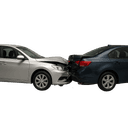
Collision Coverage
Pays for damage to your vehicle in an accident

Comprehensive Coverage
Covers theft, vandalism, weather, and animal damage

Medical Payments
Covers medical costs for your drivers and passengers

Uninsured Motorist
Protection when the other driver lacks insurance
Hired & Non-Owned Auto
Covers rented or employee-owned vehicles used for work
Commercial Auto Insurance Cost in Paterson
Average Cost in New Jersey
$160 - $460
per month
Businesses in New Jersey typically see commercial auto insurance premiums of $160 - $460 per month, which tends to run 13% above the national range of $140 - $410 per month.
- Fleet size and vehicle types
- Driver records and experience
- Coverage limits and deductibles
- Business industry and use
- Annual mileage and operating radius
- Claims history
Rates based on small business averages. Your actual premium may vary.
Prices shown are general estimates, not guaranteed rates or quotes. Your actual premium will depend on the insurer, coverage selected, business details, location, claims history, and other underwriting factors. Learn about our pricing methodology.
Your premium depends on the vehicle, how it is used, where it operates, and the coverage choices you make. A delivery route through Jersey City, a contractor truck working across Bergen and Essex counties, and a local service van in Trenton can all price differently even before endorsements are added. Fleet size, driver records, coverage limits, annual mileage, operating radius, and claims history all feed into the final number.
Hurricanes and nor'easters create more exposure for comprehensive claims, and recent severe storms show why weather-related losses are part of the local pricing picture. With many insurers competing for business, rates and underwriting appetite vary. When you request a quote, expect pricing to depend more on your exact driving pattern than on a one-size-fits-all state average.
Industries & Insurance Needs in Paterson
Passaic County business density matters because a local vehicle often serves other businesses, not just end customers. The county has 12,356 business establishments, so your drivers may be pulling into loading areas, medical offices, storefront strips, and service locations all week, with more backing, parking, and stop-and-go exposure than a simple commuter pattern suggests. The county mix also helps explain which fleets are common here: retail trade accounts for 15.1% of establishments, health care and social assistance 12.1%, and other services 10.9%. That points to delivery cars, patient-visit vehicles, and service vans that make frequent short trips with repeated ingress and egress. If that sounds like your operation, ask for a quote built around route density, hired and non-owned auto exposure where relevant, and realistic downtime planning if one unit is out of service.
What Makes Paterson Different
Route density is the main difference here. In this market, many businesses do not run long highway miles all day. They run repeated short trips, multiple stops, shared vehicles, and quick turnarounds between customers, suppliers, and job sites. That changes the coverage conversation because low annual mileage does not automatically mean low exposure. A van that backs into alleys, parks curbside, and changes drivers can create a different claims pattern than a vehicle that spends most of its time on scheduled regional runs. It also means classification details matter. If one unit sometimes hauls tools, sometimes makes deliveries, and sometimes carries employees to a work site, your application should describe that mixed use clearly. Review symbol selection, driver schedules, garaging, and whether any employee uses a personal vehicle for errands or client visits. Those details usually matter more here than broad statewide averages.
Our Recommendation for Paterson
Start with a vehicle-by-vehicle review instead of asking for one blended fleet number. List who drives each unit, where it is kept overnight, whether it carries tools or stock, and how often it is reassigned during the week. If you use personal cars for bank runs, pickups, or client visits, ask whether hired and non-owned auto should be reviewed alongside your business auto policy. If a single van going down would interrupt jobs or deliveries, discuss rental reimbursement and downtime planning before you bind coverage. Paterson household income is $53,766, so many local buyers are balancing premium with cash flow and cannot absorb a surprise out-of-pocket repair or liability bill easily. That usually makes deductible choice and liability limits worth a careful side-by-side review, rather than defaulting to the lowest upfront option.
Get Commercial Auto Insurance in Paterson
Enter your ZIP code to compare commercial auto insurance rates from carriers in Paterson, NJ.
Business insurance starting at $25/mo
FAQ
Frequently Asked Questions
Paterson businesses should list each vehicle’s actual use, usual drivers, overnight garaging, cargo or tools carried, and whether employees ever swap units. Shared use changes underwriting details, and a cleaner submission gives you a quote that is closer to how the vehicle really operates.
Paterson fleets often run short, repeated trips with frequent stops, parking, and backing, so lower mileage alone does not tell the whole story. A policy review should focus on route density, driver changes, loading patterns, and how costly downtime would be.
Passaic County has 12,356 business establishments, so many local vehicles serve other businesses through frequent site visits and deliveries. That operating pattern can justify a closer look at liability limits, physical damage, and hired and non-owned auto exposure.
Passaic County’s leading sectors are retail trade at 15.1%, health care and social assistance at 12.1%, and other services at 10.9%, so many vehicles make repeated short stops. That makes driver assignment, parking habits, and use class especially important on the application.
Paterson owners should compare deductibles, liability limits, and downtime-related options before choosing the lowest upfront option. With local median household income at $53,766, the better question is often what loss your business could absorb without disrupting payroll, repairs, or daily operations.
It may help with liability, collision, comprehensive, medical payments, and uninsured motorist protection, and the right endorsement can extend coverage to hired or non-owned vehicles used for work.
Pricing varies widely based on vehicle type, driver history, mileage, coverage limits, and claims history, so comparing quotes is the most reliable way to see what your business will pay.
Any business using a company car, van, truck, or fleet for work should review it, especially if vehicles are used for deliveries, client visits, service calls, or regional travel across New Jersey.
Sources
- 1.U.S. Census Bureau, County Business Patterns, Passaic County(Passaic County has 12,356 business establishments.; Passaic County’s leading sectors are retail trade 15.1%, health care and social assistance 12.1%, and other services 10.9%.)
- 2.U.S. Census Bureau, ACS 5-Year Estimates, table B19013(Paterson median household income is $53,766.)
Updated July 5, 2026