Updated July 16, 2026

Dealer Open Lot Insurance in Paterson
Most dealers start shopping for this coverage right before signing a storefront lease, adding a side street storage area, or bringing in a fresh run of used units ahead of a busy sales stretch. Dealer open lot insurance in Paterson gets more specific once your inventory sits in a dense urban setting where fencing, lighting, and how quickly you move titles and keys can matter as much as the vehicle count itself. A local buyer base also changes how you stock and price units. With Paterson median household income at $53,766, many independent dealers lean into affordable used inventory. Your quote should reflect the actual mix on the ground, not a generic assumption about late model vehicles, because a lot full of $8,000 sedans carries different risk than one stocked with $35,000 pickups. That matters before coverage starts if you rotate lower priced units quickly, keep a few higher value trucks or SUVs out front, or use more than one address for display, detailing, or overflow parking. Before you request terms, pull together a current inventory list, every lot address, your security details, and how vehicles move between locations so the submission tells one coherent story.
Dealer Open Lot Insurance Risk Factors in Paterson
Paterson's top risk factors include Flooding, Hurricane damage, Coastal storm surge, and Wind damage.
New Jersey has a moderate climate risk rating. Top hazards: Hurricane (High), Flooding (High), Nor'easter (High), Severe Storm (Moderate). The state's expected annual loss from natural hazards is $1.6B, which influences dealer open lot insurance premiums and may affect coverage availability in high-risk areas.
What Dealer Open Lot Insurance Covers
Your policy can help cover physical damage to sale units caused by weather, theft, vandalism, fire, and collision while parked on your lot. In New Jersey, the practical coverage review usually starts with where your inventory spends time. A dealer with all sale units on one fenced location has a different exposure than a dealer that rotates vehicles between the main lot, an overflow parcel, a service area, and temporary offsite storage. If your operation uses more than one address, ask the agent to confirm each location is scheduled correctly and that the policy language matches how vehicles are actually stored and moved.
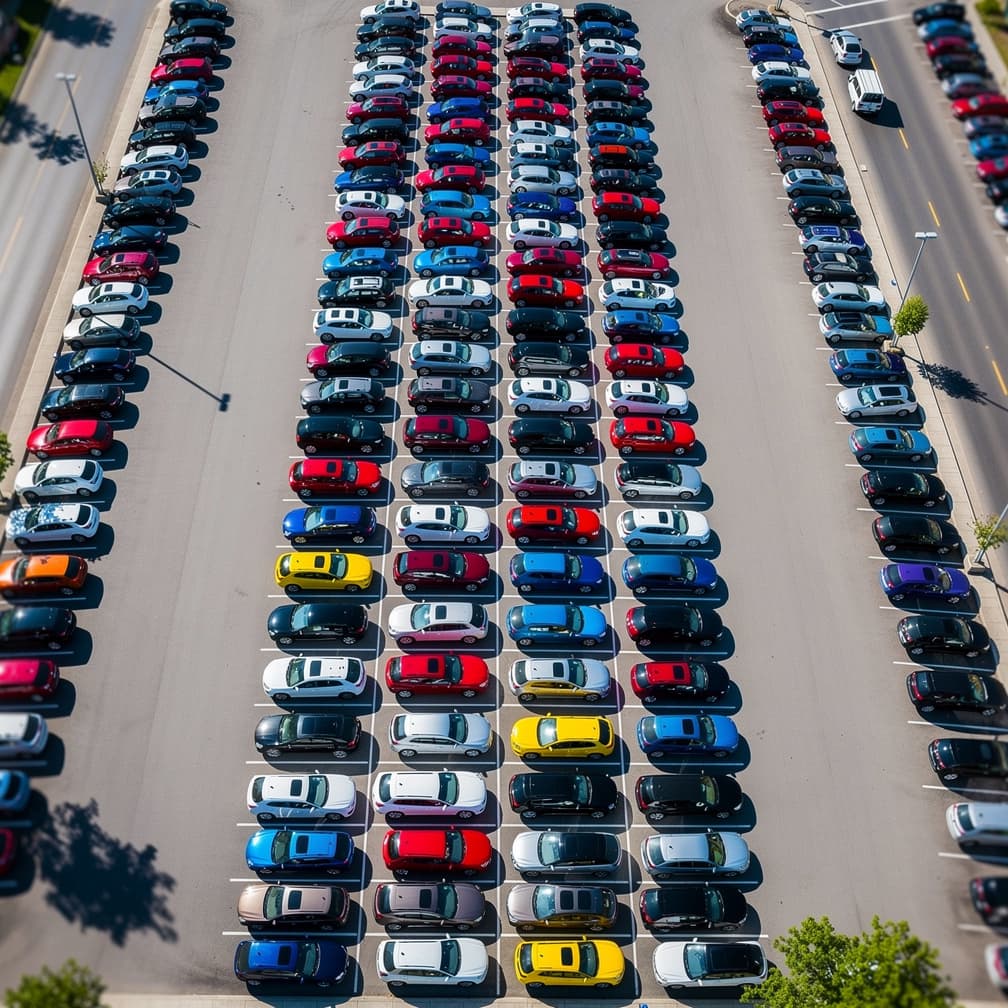
Weather exposure deserves a closer look here because lot losses are often concentrated. If units are parked close together, one falling object, one drainage problem, or one wind event can affect multiple vehicles at once. That makes it important to review whether your limit is high enough for your busiest inventory periods and whether any sublimits, location restrictions, or valuation terms could leave a gap after a larger loss. If you carry specialty units, rebuilt inventory, or higher value trucks and SUVs, make sure those categories are described accurately before the quote is finalized.
You should also review how the policy treats ordinary dealership handling. That includes movement around the lot, trips between owned locations, time in reconditioning or detail areas, and any temporary storage arrangement you rely on during auctions or seasonal inventory swings. If customer test drives, loaners, or service operations create separate exposures, keep those discussions distinct so you do not assume one policy section handles another.
Coverage Included

Weather Damage
Covers hail, wind, flood, and storm damage to lot inventory.
Theft Protection
Covers vehicles stolen from your lot.

Fire Damage
Covers fire and explosion damage to inventory vehicles.

Vandalism
Covers intentional damage to vehicles on your lot.
Test Drive Coverage
Covers vehicles during customer and employee test drives.

Transit Coverage
Covers vehicles being moved between lot locations.
Industries & Insurance Needs in Paterson
County business density is the local pressure point. Passaic County has 12,356 business establishments, so dealers here often operate near other active storefronts, service businesses, and customer traffic rather than on isolated suburban parcels. That matters for dealer open lot placement because underwriters will want a clearer picture of where vehicles sit overnight, how the lot is separated from neighboring activity, and whether customer parking, repair intake, or delivery traffic crosses your inventory area. The county mix also helps explain the day to day environment around many lots: retail trade accounts for 15.1% of establishments, health care and social assistance 12.1%, and other services 10.9%. In practice, that can mean more daytime foot traffic, tighter parking patterns, and more reasons to document gates, cameras, key control, and after hours access. If your lot sits near busy commercial uses, ask for the quote to reflect those controls in detail instead of leaving the underwriter to guess.
What Makes Paterson Different
What shapes your quote is not a unique city rule or a special local filing requirement. It is the reality of operating a dealer lot where space is tight, neighboring businesses are close, and inventory may be displayed, staged, cleaned, or parked across more than one small area.
In that setup, small operational gaps become underwriting issues fast. A carrier will want to know whether sight lines from the street are clear, whether keys stay away from the sales desk, whether transport arrivals block visibility, and whether overflow units get the same protection as your main frontage. A bare vehicle count only tells part of the story, so the more detail you provide about how the lot actually works, the more accurate your terms will be.
You get a better result when you present the lot the way it actually functions, including every address, every storage arrangement, and the controls that stay in place after closing. If any part of your inventory sits off the main lot, have that reviewed before binding.
Our Recommendation for Paterson
A strong submission starts with a map level view, not a one line request for coverage. Walk through each display area, overflow location, and any place where units wait for service, detailing, or transport pickup. For every address, record the fencing, lighting, camera coverage, and key control routine so an underwriter can see the full picture in one pass.
If your inventory mix changes around tax refund season or other sales pushes, flag the temporary peak values and the types of vehicles that create the biggest concentration. A two week spike in higher priced SUVs changes your loss exposure, and the policy should account for it. It also helps to separate what is customer parking from what is sale inventory, especially on tighter parcels where the lines blur during business hours.
If you are comparing quotes, ask the agent to confirm how off site storage, newly acquired units, and vehicle movement between addresses are treated under the form being offered. If anything is described vaguely, slow down and get it clarified in writing before you put more units on the ground.
Get Dealer Open Lot Insurance in Paterson
Enter your ZIP code to compare dealer open lot insurance rates from carriers in Paterson, NJ.
Business insurance starting at $25/mo
FAQ
Frequently Asked Questions
Paterson dealers should lead with a current inventory schedule, every storage or display address, and the controls at each site. In a dense local setting, that gives the underwriter a clearer view of how vehicles are actually stored and moved.
Paterson buyers often shop affordable used inventory, and the city's median household income is $53,766. Your submission should reflect the real mix of lower priced units versus any higher value trucks, SUVs, or specialty vehicles so the policy matches what you actually carry.
Passaic County has 12,356 business establishments. When your lot sits near active commercial uses rather than on an isolated parcel, site layout, separation from neighboring traffic, and after hours controls carry more weight in underwriting.
Passaic County is led by retail trade at 15.1%, health care and social assistance at 12.1%, and other services at 10.9%. Your neighbors are likely stores, clinics, or service shops, so explain customer traffic patterns, parking flow, and how inventory areas stay controlled when neighboring businesses generate foot and vehicle traffic near your units.
Yes. Even a handful of sale units parked outdoors packs significant value into a tight space, meaning one theft or storm can hit several vehicles at once.
Hand underwriters a clean, complete picture. Current inventory reports, documented key procedures, and realistic values mean fewer unanswered questions and less padding for uncertainty.
It can, but only if the address and its use are properly disclosed and scheduled. Get written confirmation before you rely on that location.
Expect a request for your current inventory schedule with average and peak values, every storage address, security details, and lot photos.
Sources
- 1.U.S. Census Bureau, ACS 5-Year Estimates, table B19013(Paterson median household income is $53,766.)
- 2.U.S. Census Bureau, County Business Patterns, Passaic County(Passaic County has 12,356 business establishments.; In Passaic County, retail trade accounts for 15.1% of establishments, health care and social assistance 12.1%, and other services (except public administration) 10.9%.)
Updated July 16, 2026