







































Updated July 16, 2026

Liquor Liability Insurance in Paterson
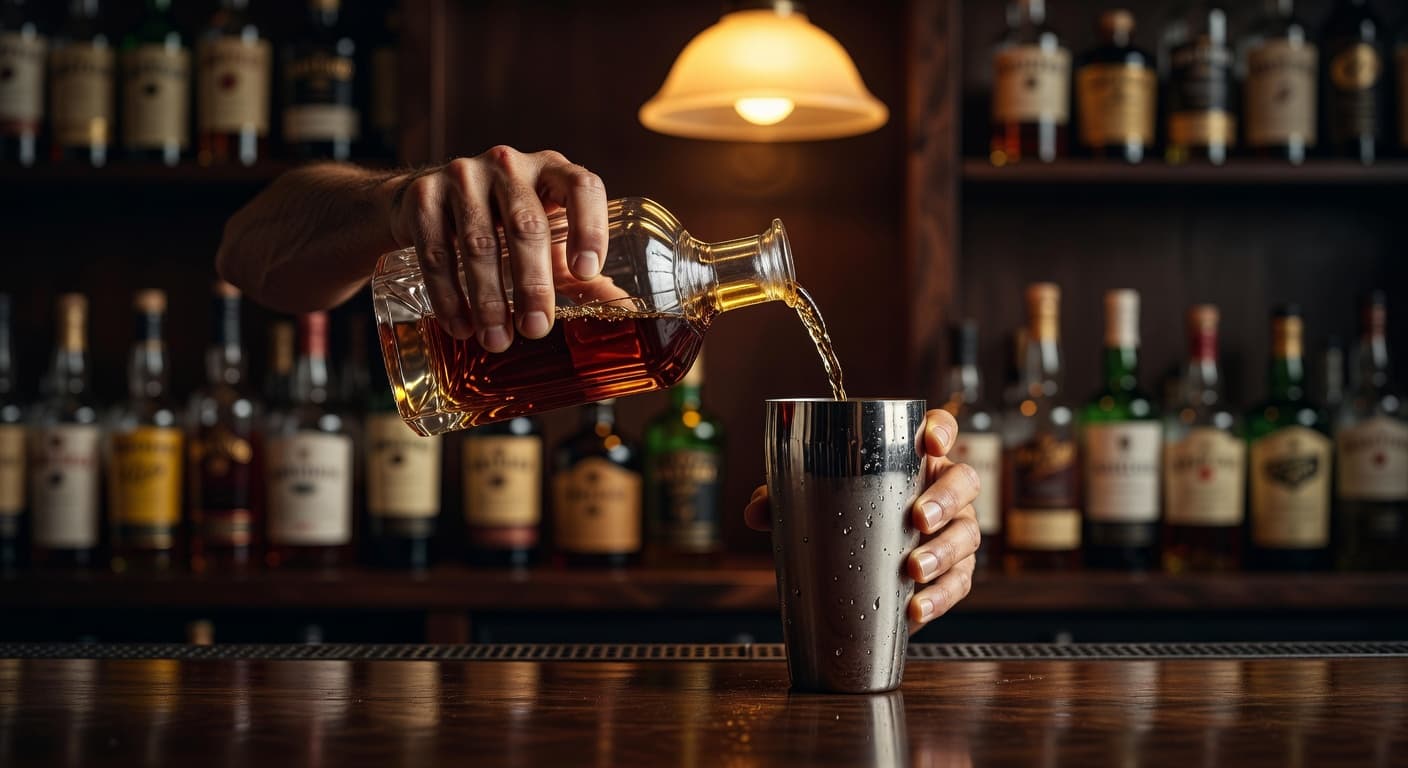
A Friday night claim often starts the same way here. A customer leaves a neighborhood bar or restaurant after several rounds, causes an injury off premises, and your business is pulled into the lawsuit because staff allegedly kept serving too long. That is the practical reason to look at your policy with your actual service model in mind. A small tavern, a restaurant with weekend drink sales, and a banquet space handling private events do not present the same alcohol exposure, even if each pours from the same back bar. Local household budgets can shape drink specials, event packages, and late-night traffic in ways that affect how alcohol is sold and supervised. Server training, incident documentation, security coordination, and whether your limits match the size of a serious bodily injury claim all deserve attention. Bring your alcohol sales mix, hours, and event schedule to the quote request so the policy is reviewed around real service conditions, not a generic class code.
About Liquor Liability Insurance in Paterson, NJ
The useful question is not whether a policy exists, but how the form responds to the way you actually sell or serve alcohol. If your operation runs a busy bar program, hosts private events, sends staff to catered functions, or allows managers to move between multiple service areas, you want the quote to show where alcohol is furnished, who is serving it, and whether any off-site activity needs to be scheduled.
Review whether the policy is written for your named entity exactly as it appears on your license, lease, and contracts. If your business uses a management company, owns more than one location, or books events under a separate entity, ask the agent to confirm who is insured and whether additional insured requests can be handled without creating a gap. A certificate that satisfies a landlord is helpful only if the underlying policy matches the way the business is structured.
You should also read the exclusions with the same care you give the declarations page. Assault and battery wording, employee conduct exclusions, weapons exclusions, and conditions tied to age verification or security procedures can change how a claim is handled. If you use bouncers, door staff, wristbands, drink tickets, or event-specific bartenders, say so up front and ask how those controls affect the form.
Claims handling language matters too. Ask whether defense is inside or outside the limit, how deductibles or self-insured retentions apply, and whether incidents tied to temporary events, tastings, or promotional nights are addressed by the policy. Those details help you compare two quotes that may look similar on price but respond very differently after an alcohol-related allegation.
Coverage Included
Bodily Injury Liability
Can help cover injuries an intoxicated patron causes to others after your business served or sold them alcohol.

Property Damage Liability
May pay for property damage caused by an intoxicated customer your establishment served, such as a car crash after leaving.
Assault & Battery
Can help cover claims arising from fights or physical altercations involving intoxicated patrons at your bar or restaurant.

Defense Costs
May pay for attorneys, court fees, and related legal expenses when your business is sued over an alcohol-related incident.

Host Liquor Liability
Can help cover alcohol-related claims from events where you host or serve drinks without selling them, like company parties.
Liquor Liability Insurance Cost in Paterson
Average Cost in New Jersey
$60 - $260
per month
Businesses in New Jersey typically see liquor liability insurance premiums of $60 - $260 per month, which tends to run 10% above the national range of $50 - $240 per month.
- Share of sales that comes from alcohol
- Type of venue and how late you serve
- Server training and service procedures
- State dram shop law
- Liquor liability limits selected
- Prior over-service or assault claims
Contact CPK Insurance for a personalized quote.
Prices shown are general estimates, not guaranteed rates or quotes. Your actual premium will depend on the insurer, coverage selected, business details, location, claims history, and other underwriting factors. Learn about our pricing methodology.
For New Jersey buyers, cost usually moves with alcohol revenue, operating hours, entertainment profile, prior incidents, and whether your business looks more like a restaurant, tavern, nightclub, banquet hall, brewery taproom, or package store with tastings. Your actual premium depends on those factors, your limits, deductible structure, and how the carrier views your controls. A quiet dining room may sit near the low end while a late-night venue with entertainment could run several times higher, so budget for the spread rather than a single number. Treat that as a broad market range, not a promise, because two businesses on the same block can price very differently if one runs late-night promotions and the other closes after dinner service.
Underwriters usually want a clear picture of your receipts split, not just total sales. If alcohol is a larger share of revenue, expect closer review of service practices, ID checks, staff training, and incident logs. Live music, dance floors, security contractors, bottle service, and special events can also push pricing because they change crowd behavior and claim severity potential. A venue that hosts private parties every weekend should expect different questions than a dining room that pours wine with meals.
The fastest way to get a usable quote is to submit complete operating details the first time. Include your alcohol percentage, latest sales figures, hours of service, occupancy, entertainment schedule, security setup, and any prior cancellations or claims. If you cater, deliver, or serve at festivals, mention that before binding, not after.
When you compare options, do not judge the quote by premium alone. Check the limit offered, exclusions, deductible, defense treatment, and whether the policy addresses your actual operations. A lower number can still cost more if it leaves out the exposures that drive your business.
What Makes Paterson Different
Affordability pressure is the local difference. Paterson households report median income of $53,766, which means many operators compete on accessible nights out, private parties, and promotions that keep seats filled without pushing check averages too high. For liquor liability, that matters because aggressive specials, crowded event pacing, and mixed food and alcohol service can create a very different claim profile than a higher-ticket venue with slower table turns. Your insurance review should focus on how revenue is actually generated. Whether alcohol is central or incidental, how often staff cut off service, who handles private events, and what happens when a guest leaves impaired are the questions that shape proper coverage. If your business depends on volume, ask for a quote built around peak-night operations, not weekday assumptions, because that is usually where underinsurance shows up.
Our Recommendation for Paterson
Start with the part of your operation that creates the most alcohol exposure, then test the policy against that scenario. If you run a restaurant, think through how routine table service differs from private parties and promoted nights in terms of staffing and oversight. Bars and lounges should walk through closing procedures, ID checks, incident logs, and who is authorized to refuse service before requesting a quote. Passaic County has 12,356 business establishments, and its largest shares are retail trade at 15.1%, health care and social assistance at 12.1%, and other services at 10.9%. In plain terms, your patrons are likely combining stops in a single outing, which raises the odds that an off-premises incident traces back to your bar or restaurant. That makes it worth asking how your carrier views off-premises injury allegations tied to on-premises service. Request quotes with your hours, entertainment schedule, security setup, and alcohol-to-food sales mix included. Then compare exclusions, defense treatment, and limit options before you renew or sign an event contract.
Get Liquor Liability Insurance in Paterson
Enter your ZIP code to compare liquor liability insurance rates from carriers in Paterson, NJ.
Business insurance starting at $25/mo
FAQ
Frequently Asked Questions
Bring your sales mix, hours, event calendar, security procedures, and server training records. That lets the quote reflect how you actually serve, especially if promotions or private parties change your exposure on certain nights.
Your standard liability policy may not address claims tied to allegedly overserving a guest, so the alcohol exposure usually needs to be reviewed separately. If alcohol is part of regular service, ask for policy terms built around that part of operations.
Private parties can shift the underwriting conversation because guest lists, bar controls, and contracted bartenders vary from event to event. Bring your service agreements and explain who serves, monitors, and documents incidents.
With retail, health care, and other services making up the largest shares of local establishments, patrons often move between multiple businesses in a single trip. Reviewing real traffic patterns, peak hours, and off-premises claim scenarios matters more than relying on a generic restaurant classification.
Paterson operators often compete on value, specials, and event packages. That can increase volume-driven alcohol service, which is worth discussing when you set limits, document incidents, and compare quote options.
Restaurants with modest alcohol sales can still need a policy review if service spikes during weekends, private parties, or banquet bookings. The key issue is how alcohol is furnished during those higher-risk periods, and whether your lease or event contracts require proof of coverage.
Banquet halls and wedding venues should quote the policy around their event schedule, bar setup, staffing, and certificate requirements. A venue that relies on private functions needs the form to address temporary bars, outside vendors, and additional insured requests before contracts are signed.
Businesses with a BYOB element should not assume that arrangement solves every alcohol-related exposure. The answer depends on who furnishes alcohol, how service is managed, what contracts require, and whether your existing liability program leaves any gap around alcohol allegations.
Sources
- 1.U.S. Census Bureau, ACS 5-Year Estimates, table B19013(Paterson households report median income of $53,766, so many operators compete on accessible nights out, private parties, and promotions that keep seats filled without pushing check averages too high.)
- 2.U.S. Census Bureau, County Business Patterns, Passaic County(Passaic County has 12,356 business establishments, and its largest establishment shares are retail trade at 15.1%, health care and social assistance at 12.1%, and other services at 10.9%, so many local venues serve customers who move between errands, appointments, work, and social stops in the same day.)
Updated July 16, 2026





