







































Updated July 5, 2026

Inland Marine Insurance in Albuquerque
A service van gets hit on the way from a clinic install near Uptown to a retail delivery on the West Side, and the loss is not just the damaged tools or equipment. It is the missed appointment, the rented replacement gear, and the customer asking for proof that the property was insured while off premises. That is the practical case for inland marine insurance in Albuquerque, where work often moves between offices, medical sites, storefronts, and temporary job locations across the county in the same week. Bernalillo County has 16,332 business establishments, so local vendors, landlords, and commercial clients often expect organized certificates, scheduled equipment lists, and clear documentation of who owns the property being moved or installed. If your operation carries diagnostic devices, contractor tools, leased equipment, or customer property, the key question is not whether you own a building. It is whether your property values, transit patterns, and temporary storage points are described accurately enough for a claim review. Before you request quotes, line up serial numbers, replacement costs, and the addresses where property sits between jobs.
Inland Marine Insurance Risk Factors in Albuquerque
Local movement is the risk factor that changes the buying decision here. Inland marine claims often start with ordinary operating patterns: equipment left in a vehicle between stops, materials staged overnight before installation, or customer property traveling with your crew instead of staying at one insured address. New Mexico's broader natural hazard picture matters as background, but the city-specific issue is how often property changes hands and locations during a normal workweek. That means your schedule of covered items should match how you actually dispatch, store, and transport property, not just what sits at your main address. If you use trailers, rotate tools between crews, or carry property that belongs to a client, ask whether the quote is built around those facts. A thinner description may leave too much room for dispute after a theft, collision, or weather-related loss while property is in transit or at a temporary site.
New Mexico has a moderate climate risk rating. Top hazards: Wildfire (Very High), Drought (High), Flash Flooding (High), Severe Storm (Moderate). The state's expected annual loss from natural hazards is $340M, which influences inland marine insurance premiums and may affect coverage availability in high-risk areas.
What Inland Marine Insurance Covers
In New Mexico, this coverage is built for property that does not stay put, including tools, equipment, materials, and goods being transported between locations. Your policy may follow covered items on the road, at job sites, at customer locations, and in temporary storage, subject to your policy terms and limits. That reach is especially relevant in a state where wildfire, flooding, and severe storm exposure can affect work in both urban corridors and remote areas. Standard commercial property coverage can help protect items at a fixed business address, so this coverage may help address the gap when your equipment is in a truck bed, on a project site, or staged for installation.
Common options include tools and equipment coverage, goods in transit, contractors equipment, installation floaters, and builders risk. Policy language and endorsements can vary by carrier, and New Mexico businesses should compare options because coverage requirements may vary by industry and business size. The New Mexico Office of Superintendent of Insurance regulates the market, but the state does not set a universal inland marine mandate. That makes the schedule of covered items, storage rules, and deductible choices especially important for businesses working across Santa Fe, Albuquerque, and other job locations.
Coverage Included
Tools & Equipment
Can help repair or replace hand tools, power tools, and gear that are stolen or damaged on the job or in transit.

Goods in Transit
May cover products, materials, and merchandise while they are being shipped or hauled between locations in your care.
Contractors Equipment
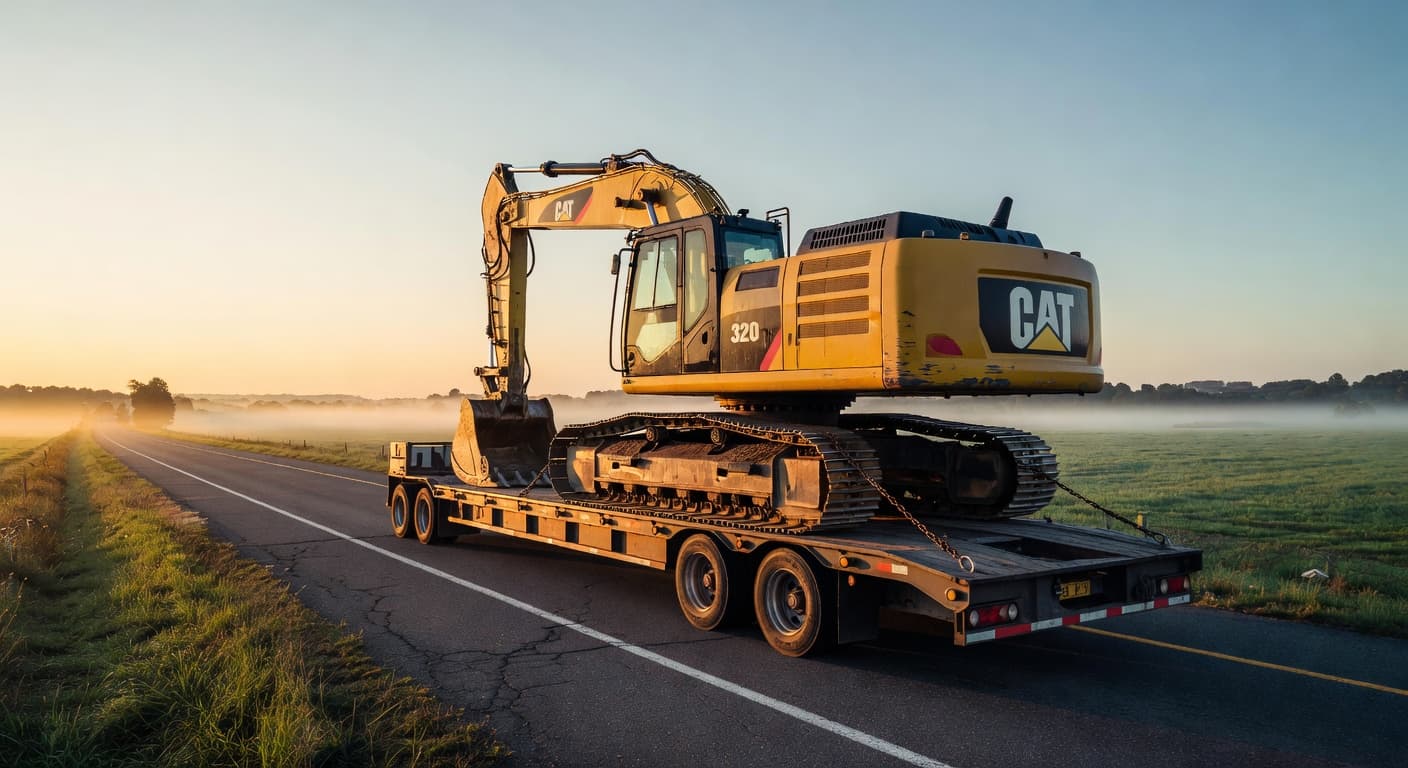
Typically covers heavy machinery like excavators, loaders, and generators against theft or damage at job sites and between them.
Installation Floater
Can help cover materials and fixtures from the moment you buy them until they are installed and accepted at a project.
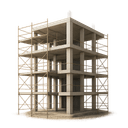
Builders Risk
May cover a structure under construction, along with materials on site, against damage from fire, wind, theft, and vandalism.
Inland Marine Insurance Cost in Albuquerque
Average Cost in New Mexico
$25 - $110
per month
Businesses in New Mexico typically see inland marine insurance premiums of $25 - $110 per month, which tends to run 13% above the national range of $20 - $100 per month.
- Total insured value of the scheduled property
- Type and age of the equipment
- Where it is stored and how far it travels
- Jobsite security and theft prevention
- Per-item limits and deductibles
- Prior theft and in-transit losses
Contact CPK Insurance for a personalized quote.
Prices shown are general estimates, not guaranteed rates or quotes. Your actual premium will depend on the insurer, coverage selected, business details, location, claims history, and other underwriting factors. Learn about our pricing methodology.
New Mexico's premium index is 96, which means you can expect pricing close to the national average rather than a surcharge for operating in the state. Coverage limits and deductibles are major drivers, and so are claims history, location, industry or risk profile, and policy endorsements. A small contractor in Santa Fe may need a different limit than a larger operation moving equipment between Albuquerque and job sites in southern New Mexico.
Risk conditions also matter. Wildfire, flooding, and local crime patterns can affect the way carriers evaluate storage and transit exposures. The market is competitive, with 260 active insurance companies in the state. A careful quote should compare not just price but the schedules, deductibles, and endorsements attached to each offer. If you bundle with other business policies, multi-policy arrangements may reduce total cost, but pricing still varies by carrier and account details.
Industries & Insurance Needs in Albuquerque
Bernalillo County's business mix makes mobile property a common exposure, not a niche one. The county's leading sectors by establishment share are professional, scientific, and technical services at 13.3%, health care and social assistance at 12.9%, and retail trade at 12.1%, so a lot of local businesses rely on equipment, instruments, inventory, or customer property that moves beyond one fixed address. For a buyer, that changes the conversation from generic property insurance to item type, valuation method, and where property travels during the day. A medical service firm may need careful scheduling for portable devices. A technical services company may need protection for specialized field equipment. A retailer may need to review goods while in transit or temporarily stored offsite. If your operation touches more than one location in a week, build your quote around those movements and the highest-value items first.
What Makes Albuquerque Different
Operational density is what changes the calculus here. In a market anchored by offices, clinics, service firms, and retail locations spread across one county, property does not just travel long distance between cities. It moves constantly between nearby stops, temporary work areas, vehicles, and customer premises. That creates a lot of handoffs, vendor visits, and short-haul trips, so inland marine exposure often comes from frequency of movement rather than a single dramatic shipment. That is why a local buyer should focus less on broad category labels and more on the exact property flow: what leaves the shop, who has custody, where it sits during the day, and whether values spike for certain jobs. If your business serves commercial clients with tight schedules, a delayed replacement can cost more than the damaged item itself. Review transit, installation, and temporary storage patterns before renewal, then ask for wording that matches those routines.
Our Recommendation for Albuquerque
Start with the property schedule, not the premium. List the items that actually leave your premises, separate owned equipment from leased equipment and customer property, and use current replacement values where possible. If your crews swap tools or devices between vehicles, note that in the submission so the quote reflects real custody and transit patterns. Bernalillo County's mix of professional services, health care, and retail operations means many buyers here carry specialized items that are expensive to replace and easy to underdescribe on an application. If you work with commercial clients, keep purchase records, serial numbers, and job documentation together so you can support a claim quickly. If policy language is unclear, you can also review complaint and licensing resources through the New Mexico Office of Superintendent of Insurance before binding coverage. The practical next step is to request a quote with your top-value mobile items, transit routes, and temporary storage locations already mapped out.
Get Inland Marine Insurance in Albuquerque
Enter your ZIP code to compare inland marine insurance rates from carriers in Albuquerque, NM.
Business insurance starting at $25/mo
FAQ
Frequently Asked Questions
Albuquerque businesses that move tools, devices, inventory, or customer property between job sites, client locations, and vehicles are the clearest fit. In a county with a large business base, mobile property is common enough that many contracts and client relationships call for cleaner proof of coverage.
Albuquerque professional and technical firms often carry specialized field equipment that does not stay at one address all week. Bernalillo County's largest sector is professional, scientific, and technical services at 13.3%, so scheduling portable equipment accurately is usually worth reviewing.
Albuquerque health care and service operations often move portable devices, supplies, or client-related property between locations. Health care and social assistance accounts for 12.9% of county establishments, so buyers in that segment should check off-premises, transit, and temporary location details carefully.
Albuquerque retail businesses often have inventory or display property in transit, at events, or temporarily offsite. Retail trade represents 12.1% of county establishments, so it is smart to review whether your quote describes those movements instead of only your main premises.
Albuquerque buyers should gather serial numbers, replacement costs, lease details, and a list of where property travels or sits overnight. If specialized equipment would be hard to replace from operating cash, understated values can turn a manageable claim into a budget problem.
It may help cover movable business property such as tools, equipment, and materials while they are in transit, at job sites, or in temporary storage in New Mexico, but the exact schedule of items depends on the policy.
It is designed for property moving over land between locations, so if your business sends materials between places like Santa Fe and Albuquerque, the policy can follow the covered items during that trip if the route and property are included in the policy.
Contractors, builders, and other businesses that regularly move expensive gear on trucks, trailers, or job sites should ask about it, especially if equipment is stored offsite or used across multiple locations.
Sources
- 1.U.S. Census Bureau, County Business Patterns, Bernalillo County(Bernalillo County has 16,332 business establishments.; Bernalillo County's leading sectors by establishment share are professional, scientific, and technical services 13.3%, health care and social assistance 12.9%, and retail trade 12.1%.)
- 2.New Mexico Office of Superintendent of Insurance(The state regulator is the New Mexico Office of Superintendent of Insurance.)
Updated July 5, 2026





