Updated July 16, 2026

Key Takeaways
- List every way customer vehicles enter, move through, and stay on your premises before you request a garage keepers quote.
- Compare collision losses against theft, fire, vandalism, and weather losses so your quote matches your actual custody exposure.
- Ask how customer vehicles are valued after a loss, especially if you handle newer, specialty, or recently upgraded vehicles.
- Review key control, intake photos, lot security, and employee driving rules before renewal to improve both pricing and claim defensibility.
- Request side-by-side quotes with the same limits, deductibles, and storage assumptions so you can spot real coverage differences.
Garage Keepers Insurance in New Mexico
If customers leave vehicles at your New Mexico shop, lot, or storage area, you probably need garage keepers insurance. Once a customer's car is in your custody, the real issue is how your operation stores it, moves it, secures the keys, and documents condition before and after service. That review matters even more if you keep vehicles outdoors, hold them overnight, or work in places where weather and lot conditions can change quickly. A shop in Albuquerque may juggle after-hours drop offs and road tests across busy corridors. A rural repair business may hold pickups longer because parts, towing, or owner travel delay delivery. Before you request terms, list your maximum number of customer vehicles on site, your overnight storage pattern, and every place keys can be accessed.
What Garage Keepers Insurance Covers
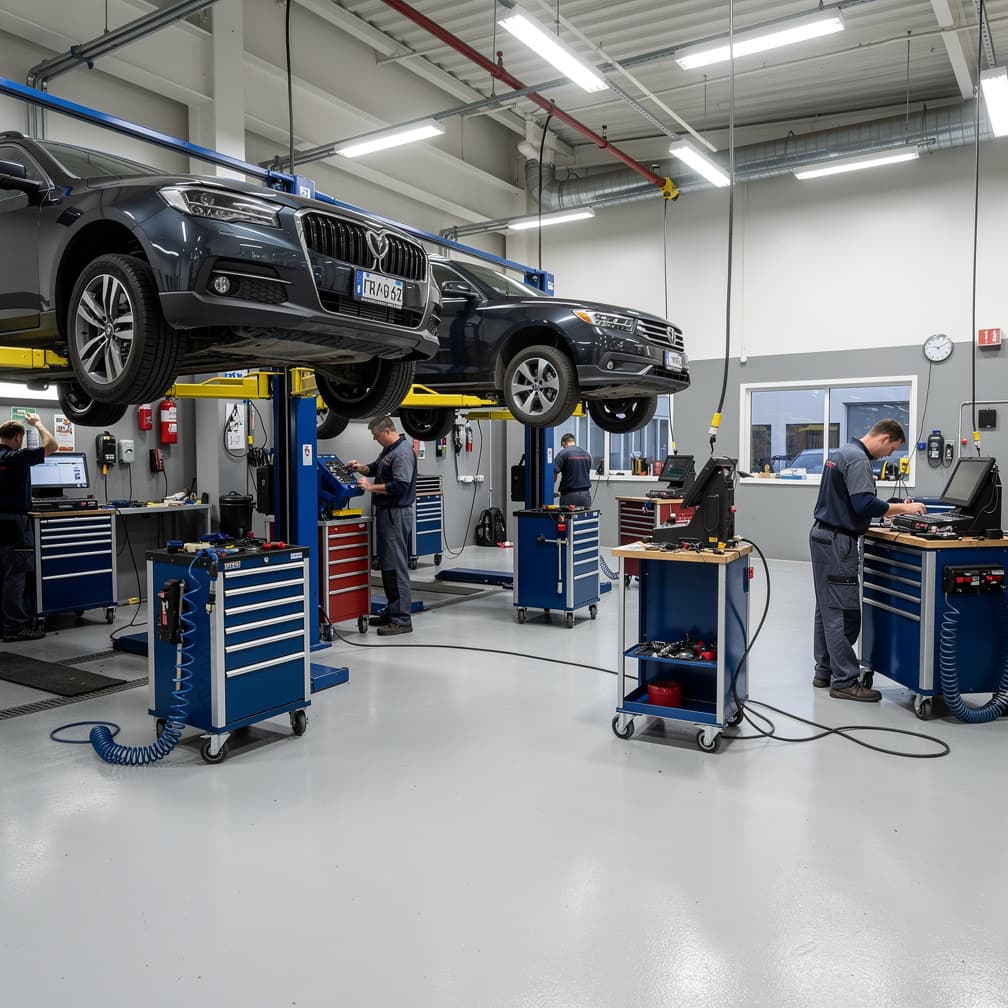
New Mexico buyers usually need to focus less on the broad definition of garage keepers and more on the situations that create disputes after a loss. If you run a repair shop, body shop, service department, valet operation, tow yard, or storage lot, the coverage review should follow the actual handoff points where a customer's vehicle becomes your responsibility. That often starts before work begins, with after-hours envelopes, key drops, photo documentation, and where the vehicle is first parked.
State conditions can change the exposure. Outdoor storage needs attention if your lot is open, unpaved, or exposed to blowing debris. Indoor storage raises different issues when vehicles are packed tightly, moved frequently, or left awaiting parts for several days. If your staff road tests vehicles, shuttles them between buildings, or stages them in overflow areas, those movements should be described clearly in the application so the policy structure matches your operation.
You should also review how your policy responds to higher-value vehicles, unfinished restorations, vehicles waiting on owner pickup, and units left on site after a disputed invoice or delayed authorization. In New Mexico, a small shop can still have a mixed lot on any given week, from older work trucks to newer SUVs with expensive sensors and glass. Keep a dated intake form that notes pre-existing damage, records where each vehicle is parked, and confirms who has authority to move it. Those habits make coverage easier to place and claims easier to support.

Collision Coverage
Covers damage to customers' vehicles from collisions while in your care.

Comprehensive Coverage
Covers theft, vandalism, fire, and weather damage to customers' vehicles.

Specified Perils
Covers only specifically named perils at a lower premium.

Legal Liability
Covers damage you or your employees directly cause to a customer's vehicle.

Direct Primary
Pays regardless of fault, the broadest garage keepers coverage available.
Garage Keepers Insurance Requirements in New Mexico
- New Mexico shops that rely on outdoor parking should describe fencing, gate control, surface conditions, and how vehicles are repositioned when weather or blowing debris becomes a concern.
- If your operation serves rural customers who cannot retrieve vehicles quickly, tell the underwriter how long completed units typically remain on site after work is finished.
- Businesses near wildfire-prone or hail-exposed areas should review whether overflow storage changes by season, because temporary parking practices can alter the risk materially.
- Tow yards and impound operators in New Mexico should separate short-term intake storage from longer-hold vehicles so the quote reflects actual custody duration.
How Much Does Garage Keepers Insurance Cost in New Mexico?
Garage keepers pricing in New Mexico usually turns on underwriting detail, not a simple posted rate. An insurer will want to know how many customer vehicles you hold at one time, whether they stay overnight, whether they are stored inside or outside, how often employees move them, and whether your lot layout creates congestion or blind spots. A shop that finishes same-day work and releases most vehicles before closing presents a different risk than a business that stores units for several days waiting on parts, approvals, or owner pickup.
Your location inside the state also changes the conversation. A dense urban service operation may have more frequent vehicle movement, tighter parking patterns, and more after-hours drop offs. A rural operation may have fewer daily handoffs but longer storage periods and more exposure to open-lot conditions. If you use fenced storage, controlled key access, intake photos, and written movement procedures, those details can help an underwriter see a more disciplined risk.
If you regularly handle lifted trucks, commercial vans, luxury vehicles, or cars with advanced driver-assistance systems, the potential severity of a claim can rise because parts, paint work, calibration, and glass replacement can be more expensive. Deductible choice, claims history, and the coverage basis you select also affect the quote. New Mexico buyers should expect the cleanest pricing process when they submit a complete vehicle count, overnight storage details, and employee driving practices up front.
Request a Quote Comparison
Enter your ZIP code to compare garage keepers insurance rates from top carriers.
Business insurance starting at $25/mo
Who Needs Garage Keepers Insurance?
In New Mexico, the businesses that most often need a careful garage keepers review are the ones that physically control customer vehicles beyond a quick handoff. That includes repair shops, body shops, transmission and brake specialists, tire stores, quick lube locations, dealerships with service lanes, detailers, car washes, towing operators, impound yards, valet services, and parking operations.
The state-specific question is how long and where those vehicles stay. A small independent shop that keeps cars overnight while waiting on parts may need the same attention as a larger dealer service department. A tow operator that stores vehicles in an open yard has a different exposure than a detail shop that keeps most units indoors. A business near wildfire-prone terrain, hail exposure, or heavy windblown dust should review outdoor storage practices carefully because the lot itself becomes part of the underwriting story.
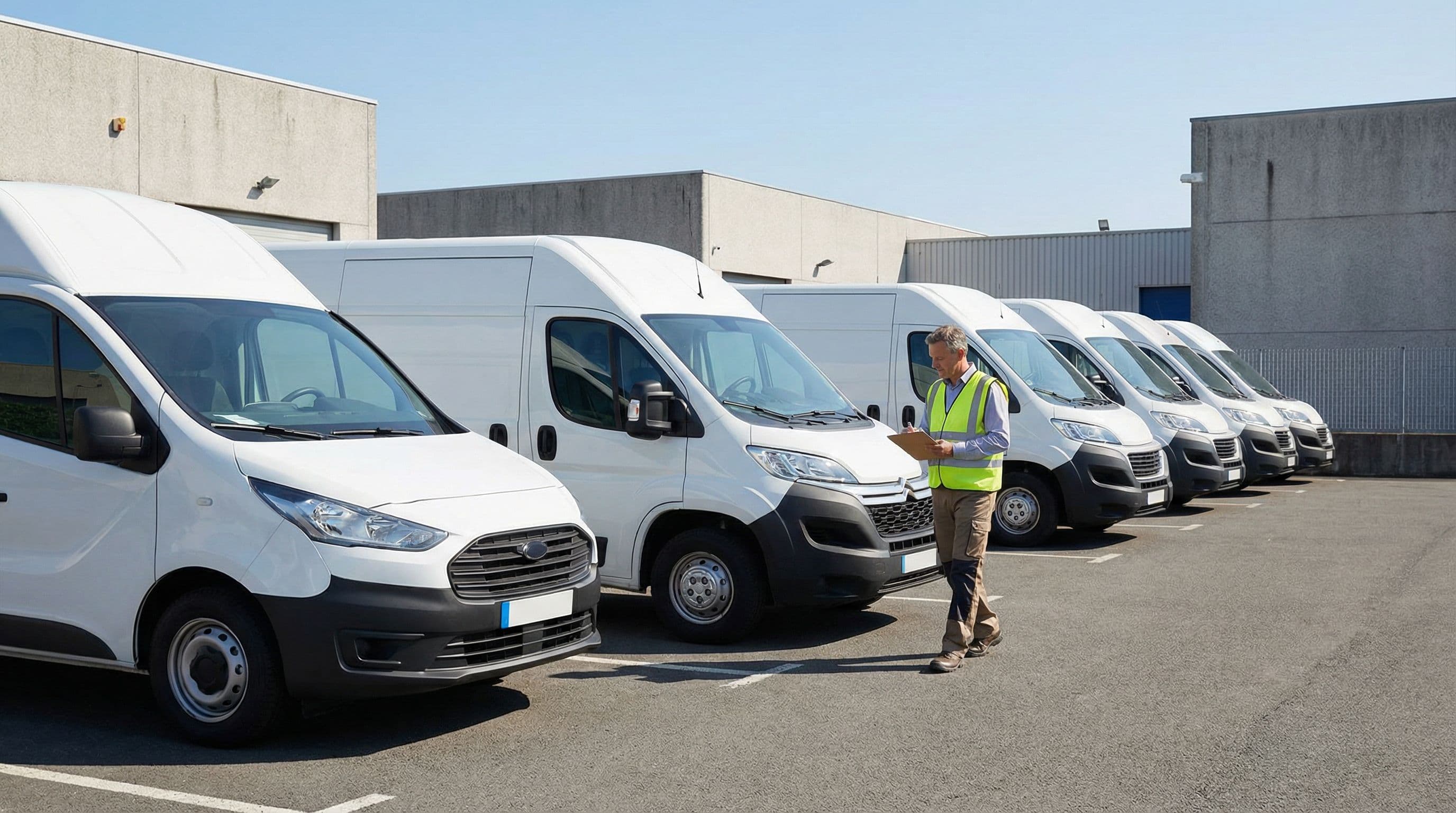
You may also need this coverage if vehicle custody is only one part of your business. A tire dealer that stores cars during alignment work, a fleet service vendor that holds vans after hours, or a restoration shop with long repair timelines can all create the same core exposure. During a normal week, can a customer say their vehicle was on your premises and under your control when damage happened? If the answer could be yes, your operation has a custody exposure worth reviewing.
Garage Keepers Insurance by City in New Mexico
Garage Keepers Insurance rates and coverage options can vary across New Mexico. Select your city below for localized information:
How to Buy Garage Keepers Insurance
Buying garage keepers coverage in New Mexico starts with a more detailed submission than many owners expect. Before you ask for terms, map the full vehicle path: where customers drop off, where keys are stored, who can move vehicles, where units sit during the day, where they sit overnight, and what happens if pickup is delayed. Underwriters use that operational picture to decide how your risk should be classified and what follow-up questions they need answered.
Next, separate your exposures by storage type. Count how many vehicles are usually indoors, how many are outdoors, and what your peak lot count looks like during busy periods. If you use overflow parking, a secondary lot, or a fenced yard for tow-ins, include that in the submission. If employees road test vehicles, move them between buildings, or use tow equipment or lifts as part of normal operations, say so clearly instead of leaving the carrier to infer it later.
Prepare sample intake forms, photos of your lot layout, written key-control procedures, and any checklist you use for pre-existing damage. If your business handles higher-value vehicles or commercial units, note that up front. If you have had prior claims, explain what changed afterward, such as fencing, lighting, camera placement, or revised parking rules. The New Mexico Office of Superintendent of Insurance is the state's insurance regulator, so policy forms, complaint handling, and licensing questions should be reviewed through that framework rather than assumed from another state. Request a quote through CPK Insurance to compare your options with participating licensed providers. When you do, ask the agent to walk through exclusions, deductibles, storage assumptions, and claim reporting steps line by line before you bind.
How to Save on Garage Keepers Insurance
The most effective way to lower garage keepers costs in New Mexico is to reduce uncertainty around where customer vehicles are, who can access them, and how losses would be documented. Carriers respond well when your operation shows disciplined custody controls. That means a consistent intake process, dated photos, a written parking map, and a key log that shows exactly who handled each vehicle.
Outdoor storage is often where savings opportunities are won or lost. If you keep vehicles outside, give the underwriter a clearer picture: fenced perimeter, controlled gate access, designated overnight rows, clear separation between completed work and waiting-for-parts units, and a process for moving vehicles before severe weather. Even if the premium impact is modest, those controls can matter more after a claim because they show the lot was managed, not improvised.
You can also save by aligning limits and deductibles with your real inventory instead of guessing. Review your peak number of customer vehicles, the highest-value units you typically hold, and how long they remain on site. If your operation changes by season, update the quote request so you are not paying for a profile that does not fit most of the year. Claims prevention habits often help more than shopping on price alone. Restrict who road tests vehicles, document pre-existing damage before work starts, and avoid leaving completed vehicles in unsecured overflow areas. If you have multiple locations or mixed operations, ask for each one to be underwritten on its own facts.
Our Recommendation for New Mexico
For New Mexico operations, the buying decision usually comes down to storage conditions and delay patterns. If customer vehicles stay overnight, ask for the quote to distinguish indoor storage, outdoor storage, and any overflow area instead of treating the whole premises as one undifferentiated lot. That is especially important if your business handles weather-exposed parking, tow-ins, or vehicles waiting on parts for several days.
Review your intake and release process before you review price. A strong file should show drop-off time, pre-existing damage, key receipt, parking location, and who last moved the vehicle. If you cannot reconstruct that chain quickly, fix the process before binding. It helps underwriting, and it can matter even more during a disputed claim. If your shop works on newer vehicles with cameras, sensors, specialty paint, or large glass areas, tell the agent early. Severity can rise fast on those units, and a generic repair-shop submission may understate the exposure. The same goes for lifted trucks, fleet vans, and vehicles stored after a customer stops responding. One practical question worth asking: what assumptions is the quote making about where vehicles are kept after hours? In New Mexico, that answer often drives whether the policy fits your operation or leaves you arguing about facts after a loss.
FAQ
Frequently Asked Questions
New Mexico repair shops often need it when customers leave vehicles overnight, after hours, or in outdoor rows. The key issue is custody, not shop size, so your quote should match how vehicles are stored, moved, and documented on your premises.
New Mexico tow yards usually need a more detailed storage discussion because intake volume, open-lot conditions, and hold times can differ from a repair shop. Ask for the quote to reflect fenced areas, overflow storage, and who has authority to move vehicles.
New Mexico insurers usually focus on how many customer vehicles stay outside, how long they remain there, and what controls you use. Fencing, lighting, key control, intake photos, and a defined overnight parking plan can all improve the underwriting conversation.
New Mexico insurance oversight runs through the New Mexico Office of Superintendent of Insurance. If you need to verify licensing, review complaint channels, or confirm state regulatory oversight, start there before relying on guidance from another state.
New Mexico dealership service departments often need it because they hold customer vehicles during diagnostics, repairs, and pickup delays. The exposure grows if units are staged in overflow rows, moved frequently, or left outside after service is complete.
New Mexico businesses should include peak vehicle count, overnight count, indoor versus outdoor storage, key-control procedures, road-test practices, and any secondary lot use. A complete submission gives the underwriter a clearer picture and reduces avoidable follow-up questions.
New Mexico body shops should review it carefully because repair timelines can stretch while vehicles wait on parts, approvals, or owner pickup. Longer custody periods, unfinished repairs, and outdoor staging can all change how the risk is evaluated.
Garage keepers insurance may cover damage to customers' vehicles while they are in your care, custody, or control. That may include collision, theft, fire, vandalism, hail, and other covered causes of loss, depending on your policy terms and how your business handles vehicles.
Sources
- 1.New Mexico Office of Superintendent of Insurance(For state-specific oversight, the New Mexico Office of Superintendent of Insurance is the state's insurance regulator.)
Updated July 16, 2026