








































Updated July 16, 2026

Commercial Truck Insurance in Las Cruces
In a tighter local market, your options often narrow faster than they would in Albuquerque or on a statewide quote form. Some carriers are selective about radius, vehicle type, filings, and loss history, so relationships and clean documentation matter more. For commercial truck insurance in Las Cruces, that usually means getting your vehicle schedule, driver list, garaging address, and commodity details lined up before you shop. Underwriters here tend to price around how clearly your operation is presented. If you deliver to job sites, retail locations, or medical-related facilities around town and across the county, a certificate request can hold up work when your limits, additional insured wording, or filing details are not ready. Nearly every business in the county can ask for proof of coverage before they let you on site or release a load, which means a missing certificate can cost you a job before the truck even leaves the yard. Start by documenting your actual routes, equipment, and contract requirements rather than fitting your operation into a broad template.
Commercial Truck Insurance Risk Factors in Las Cruces
Las Cruces's top risk factors include Wildfire risk, Drought conditions, Power shutoffs, and Air quality events.
New Mexico has a moderate climate risk rating. Top hazards: Wildfire (Very High), Drought (High), Flash Flooding (High), Severe Storm (Moderate). The state's expected annual loss from natural hazards is $340M, which influences commercial truck insurance premiums and may affect coverage availability in high-risk areas.
What Commercial Truck Insurance Covers
Commercial truck insurance in New Mexico is built around the way your trucking operation actually moves freight. Core options include motor carrier liability, physical damage, cargo coverage, trailer interchange, bobtail coverage, and non-trucking liability insurance. For many operators, that means separating coverage for on-duty hauling from coverage that applies when a tractor is being used outside a dispatch or hauling assignment.
The coverage you choose should reflect whether you run long haul lanes through Santa Fe and Albuquerque, regional delivery routes, or local hauling around oil, mining, retail, or government-related freight. New Mexico lists commercial auto minimums by split limits, and federal freight rules may require much higher liability limits depending on what you haul. That makes motor carrier liability a central part of the policy for many interstate trucking operations.
Physical damage coverage is especially important for operators exposed to wildfire smoke, flash flooding, severe storms, and road debris on long routes. Cargo insurance is usually written as a separate section and is tied to the kind of freight you carry, while trailer interchange can matter if you haul under agreements involving non-owned trailers. Bobtail coverage and non-trucking liability are usually considered when a truck is operated without a trailer or outside dispatch. Coverage details, endorsements, and exclusions vary by carrier and by how your trucks are used, so the policy should be matched to your lanes, freight, and equipment rather than to a generic trucking template.
Coverage Included

Motor Carrier Liability
Can help cover injuries and property damage your truck causes to others, a coverage federal regulators require most for-hire carriers to maintain.

Physical Damage
Can help pay to repair or replace your own truck after an accident, fire, theft, or vandalism.
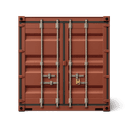
Cargo Coverage
May pay for damage to or theft of the freight you are hauling while it is in your care.
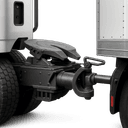
Trailer Interchange
Can help cover damage to trailers you haul under an interchange agreement but do not own.

Bobtail Coverage
May provide liability protection when you drive your tractor without a trailer attached, such as after dropping off a load.

Non-Trucking Liability
Can help cover accidents that happen when you use your truck for personal errands rather than dispatched work.
Commercial Truck Insurance Cost in Las Cruces
Average Cost in New Mexico
$400 - $1,125
per month
Businesses in New Mexico typically see commercial truck insurance premiums of $400 - $1,125 per month, which tends to run close to the national range of $400 - $1,125 per month.
- Radius of operation
- Commodities hauled and cargo value
- Number and value of power units
- Driver motor vehicle records and CDL experience
- DOT safety record, inspections, and FMCSA scores
- Liability limits and physical damage deductibles
Contact CPK Insurance for a personalized quote.
Prices shown are general estimates, not guaranteed rates or quotes. Your actual premium will depend on the insurer, coverage selected, business details, location, claims history, and other underwriting factors. Learn about our pricing methodology.
The cost of commercial truck insurance in New Mexico is shaped by your specific operation. The actual price for each truck depends on your limits, deductibles, claims history, location, industry profile, and endorsements. A single tractor in a low-claim operation may price differently from a unit running hazardous routes, specialized freight, or frequent city deliveries.
Several state-specific factors can influence the quote. Wildfire and flash flooding can affect physical damage and cargo coverage, especially for fleets that move through rural corridors, canyon roads, or flood-prone areas. New Mexico also has a fatal crash rate of 1.95 compared with the national average of 1.33, which means underwriters see roughly 46 percent more fatal crashes per mile driven here than the national rate. For you, that can translate to tighter underwriting, higher liability premiums, or stronger pressure to maintain a clean safety record.
Market competition is meaningful here because many insurance companies operate in the state. New Mexico businesses are mostly small businesses, so many quotes are built around owner-operator or small-fleet needs. Because a quote can change with route exposure, payload type, and deductible choices, the best way to evaluate cost is to compare multiple carrier options for the same limits and endorsements.
Industries & Insurance Needs in Las Cruces
County business mix is one of the clearest reasons trucking demand looks different here. In Doña Ana County, the leading sectors by establishment share are health care and social assistance at 16%, retail trade at 13.3%, and construction at 12.1%. That matters because each segment creates a different truck-use pattern. Medical-related deliveries can bring tighter certificate and timing expectations. Retail work often means more frequent local stops, loading areas, and schedule pressure. Construction hauling can involve job-site access, hired or non-owned vehicle questions, and equipment or material movement that needs to be described correctly. If your book of business leans toward one of those sectors, ask for a quote built around that lane of work instead of a broad class code that misses how your trucks are actually used. The more precisely your operation is classified, the easier it is to review limits, endorsements, and any contract-driven requirements before a customer asks for proof.
What Makes Las Cruces Different
In a city this size, you are less likely to have endless appetite across every truck class, radius, and commodity, so the quality of your submission carries more weight. A vague application can shrink your options quickly, while a well-documented one keeps more markets in play and gives underwriters a reason to offer better pricing. That is especially important if your trucks support local service businesses rather than long-haul freight alone. Las Cruces median household income is $55,176, and roughly one in three households earns under $35,000, which means many local accounts operate on thin margins and will push back on pricing or coverage gaps before they award work. Clear certificates, sensible limits, and a policy structure that matches your contracts can help you stay eligible for those accounts without discovering too late that a customer wants wording your policy does not contemplate. Review certificates, additional insured requests, and any lease or vendor requirements before renewal, not after a job is on the line.
Our Recommendation for Las Cruces
Begin with the pieces underwriters and certificate holders will actually test. Confirm every unit's garaging location, stated radius, body type, and use, then verify that driver information is current and consistent with MVR expectations. If you pull trailers, haul tools or materials, or use pickups for mixed service and delivery work, say that plainly instead of letting the application default to a broad trucking description. Next, collect the contracts that trigger proof requests most often, especially from construction, retail, or facility-based customers, and compare them against your current liability limits, physical damage choices, and any requested additional insured or waiver wording. If your operation changes seasonally or you add units midterm, ask how those changes are reported so there is no gap between what the truck does and what the policy contemplates. A short pre-renewal review usually surfaces more useful changes than a last-minute certificate scramble.
Get Commercial Truck Insurance in Las Cruces
Enter your ZIP code to compare commercial truck insurance rates from carriers in Las Cruces, NM.
Business insurance starting at $25/mo
FAQ
Frequently Asked Questions
Las Cruces submissions usually move better when you start with a current vehicle schedule, driver list, garaging address, operating radius, and commodity or job description. In a smaller market, clear underwriting detail can preserve more carrier options than a rushed, generic application.
Most local businesses can ask for proof of coverage before work starts, so your liability limits, certificate wording, and contract requirements need to be in place before you bid or dispatch a truck.
They can, especially when your routes involve frequent stops at varied facility types. In Doña Ana County, health care and social assistance is 16% of establishments, retail trade 13.3%, and construction 12.1%, meaning a single route might hit a job site, a retail loading dock, and a medical facility in the same afternoon, each with its own certificate and limit expectations. Match your policy to whether you make frequent stops, access job sites, or handle time-sensitive deliveries.
Las Cruces jobs can hinge on paperwork because smaller commercial accounts often want proof of coverage before site access or load release. Check certificate turnaround, additional insured requests, and any lease or vendor wording before a customer asks for same-day proof.
Las Cruces policies are regulated at the state level by the New Mexico Office of Superintendent of Insurance. If you are comparing forms or filing-related questions, focus on whether your policy meets the specific contract requirements your local customers demand.
It can include motor carrier liability, physical damage, cargo coverage, trailer interchange, bobtail coverage, and non-trucking liability insurance. In New Mexico, the right mix depends on whether you run long haul, regional delivery, or local hauling, and whether your lanes cross wildfire, flood, or storm-prone areas.
The state lists commercial auto minimums by split limits, and the New Mexico Office of Superintendent of Insurance regulates the market. If you haul freight interstate or carry certain loads, federal and shipper requirements may be higher than the state minimums.
Your price depends on limits, deductibles, claims history, location, industry risk, and endorsements. Each quote is built around your specific operation and route exposure.
Sources
- 1.U.S. Census Bureau, County Business Patterns, Doña Ana County(Doña Ana County has 3,836 business establishments, so even in a smaller market you are still dealing with a broad base of shippers, contractors, vendors, and property managers that may want evidence of coverage before they release a load or let you on site.; In Doña Ana County, the leading sectors by establishment share are health care and social assistance at 16%, retail trade at 13.3%, and construction at 12.1%.)
- 2.U.S. Census Bureau, ACS 5-Year Estimates, table B19013(Las Cruces median household income is $55,176, so many local buyers and small firms are cost-aware and may compare bids closely before awarding work.)
- 3.New Mexico Office of Superintendent of Insurance(Las Cruces policies are regulated at the state level by the New Mexico Office of Superintendent of Insurance.)
Updated July 16, 2026





