
Updated July 5, 2026

Homeowners Insurance in Las Cruces
A wind driven dust event can push grit into roof coverings, window seals, and exterior equipment, then a hard rain can show you where the envelope was already vulnerable. That is the practical reason to shop homeowners insurance in Las Cruces with more attention to dwelling details than broad averages. Here, the buying decision often turns on how your home is built, how recently the roof and exterior openings were updated, and whether detached structures, walls, sheds, or patio covers would be expensive to rebuild after a localized loss. The local housing baseline matters too, so a policy review should test whether your dwelling limit still matches current rebuild expectations rather than last year's estimate or your loan balance. If your household budget is tight, that tradeoff is real. A higher deductible can lower premium pressure, but only if you can actually absorb that out of pocket after a claim. Before you request quotes, pull your current declarations page, note roof age and construction type, and list any recent upgrades that change replacement cost.
New Mexico has a moderate climate risk rating. Top hazards: Wildfire (Very High), Drought (High), Flash Flooding (High), Severe Storm (Moderate). The state's expected annual loss from natural hazards is $340M, which influences homeowners insurance premiums and may affect coverage availability in high-risk areas.
What Homeowners Insurance Covers
A homeowners policy in New Mexico is built around the dwelling, personal property, liability, additional living expenses, other structures, and medical payments. The dwelling portion is especially important here because reconstruction costs can differ from market value, and the state's average dwelling coverage is about $216,000 even though the median home value is around $270,000. That gap exists because insurance is based on what it costs to rebuild, not what the home would sell for. Standard policies may help cover fire, windstorms, hail, theft, and vandalism, which matters in a state with very high wildfire risk and increasing burglary and arson trends. A standard policy does not cover flood damage, so homes exposed to flash flooding in canyon corridors, arroyos, or low-lying neighborhoods may need separate flood protection. Additional living expenses coverage can help if a covered loss makes your home temporarily unlivable, which is useful after wildfire smoke, water damage from a covered event, or major storm repairs. Other structures coverage can matter if you have detached garages, sheds, or fences common on larger lots across the state.
Coverage Included

Dwelling
Repairs or rebuilds your home itself, the walls, roof, floors, built-in appliances, and attached structures like a garage, after a covered loss. Set this limit to the full cost of rebuilding, not market value.
Other Structures
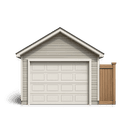
Detached structures on your property, such as a fence, shed, detached garage, or gazebo. Usually set at about 10 percent of your dwelling limit [2].

Personal Property
Your belongings, furniture, clothing, electronics, and appliances, generally written at 50 to 70 percent of your dwelling limit [2]. High-value items like jewelry and art carry special limits.

Additional Living Expenses
Also called loss of use. Pays your added living costs, hotel stays, meals, and a temporary rental, while a covered loss makes your home uninhabitable. Usually set at about 20 percent of your dwelling limit.

Liability
Covers you if someone is injured on your property, or you damage someone else's property, and you are found responsible. The standard $100,000 limit [2] is often raised to $300,000 or $500,000.

Medical Payments
Pays small medical bills, commonly $1,000 to $5,000, if a guest is hurt at your home regardless of fault, without a formal liability claim.
Homeowners Insurance Cost in Las Cruces
Average Cost in New Mexico
$95 - $240
per month
In New Mexico, homeowners insurance premiums typically run $95 - $240 per month, which tends to run 7% below the national range of $110 - $250 per month.
- Home replacement cost, age, and construction type
- Roof age, material, and condition
- ZIP code and local weather risk (wind, hail, wildfire, hurricane)
- Coverage limits and endorsements
- All-peril and percentage wind/hail deductibles
- Claims history and insurance score where allowed
Typical range for many standard homeowners profiles; lower-risk homes fall below it and coastal, wildfire, or older-roof homes can run well above. Final pricing depends on property details, location, underwriting, and selected coverage.
Prices shown are general estimates, not guaranteed rates or quotes. Your actual premium will depend on the insurer, coverage selected, personal details, location, claims history, and other underwriting factors. Learn about our pricing methodology.
The average premium falls within a range of $95 to $240 per month depending on coverage limits, deductibles, claims history, location, and policy endorsements. New Mexico premiums tend to run about 4 percent below the national average, which can mean modest savings for comparable coverage. Still, the cost can rise quickly for homes with older roofs, higher wildfire exposure, or limited access to fire stations and hydrants. Recent events such as the 2024 Salt Fire and the 2023 flash flooding and mudslides show why local risk matters. In practice, homes in Santa Fe, the Albuquerque metro, and other parts of New Mexico may be priced differently based on neighborhood crime patterns, construction costs, and the size of the dwelling coverage limit. That competition can help shoppers compare premiums, but it does not remove the effect of risk factors like deductible choice, policy endorsements, and the age and material of the roof. A quote in New Mexico should always be based on rebuild cost, not just the home's purchase price.
What Affects Homeowners Insurance Rates in Las Cruces
The local cost conversation is less about a published citywide premium and more about balancing rebuild protection against what your household can comfortably retain. Las Cruces has a median home value of $217,400, so many owners need to check whether the dwelling limit on an older policy still tracks the home's likely reconstruction profile, especially after renovations or additions. The affordability side matters too. Median household income is $55,176, so deductible choices should be practical, not theoretical. A lower premium can look attractive until you have to fund the deductible after roof, water, or exterior damage. That is why a useful quote comparison here should line up dwelling coverage, other structures, personal property, loss of use, and deductible on the same worksheet. If one option saves money by trimming settlement terms or pushing too much risk back onto you, it is not really the same offer. Ask for side by side quotes with identical limits before you decide.
What Makes Las Cruces Different
Desert wear is what changes the calculus here. The state page already covers broad New Mexico hazards, but the local buying decision often comes down to how quickly routine exterior wear can turn into a larger repair bill if the home's shell is not in good condition. That shifts the focus from generic coverage shopping to property specific underwriting. A house with an aging roof, older seals around windows and doors, or lightly documented upgrades can be harder to place cleanly than an otherwise similar home with recent exterior work and clear records. It also changes how you should read the quote. Two policies may look close on premium, yet one may fit better because the deductible, settlement terms, and other structures coverage match the way your property is actually built and used. If you have a block wall, workshop, storage building, or covered outdoor area, make sure those features are scheduled or counted correctly before you bind coverage. The right next step is a line by line review of the declarations page against the home's current condition.
Our Recommendation for Las Cruces
Start with a rebuild focused review, not the mortgage amount. Confirm the dwelling limit, then ask how the carrier is valuing roof age, exterior materials, attached structures, and detached improvements on the property. If you have completed updates, provide dates, invoices, or photos so the quote reflects the home as it stands now. Next, test deductible options against your cash reserves. A higher deductible can help premium, but it only works if you could pay it without delaying emergency repairs. Review water backup, ordinance or law, and loss of use carefully if your home would be difficult to occupy during repairs. If you store tools, equipment, or higher value items in a garage, shed, or workshop, check personal property sublimits and whether any scheduled coverage is worth discussing. Finally, compare quotes on matched terms. Ask for the same dwelling limit, deductible, and endorsements across each option so you can see whether the difference is price, coverage design, or both.
Get Homeowners Insurance in Las Cruces
Enter your ZIP code to compare homeowners insurance rates from carriers in Las Cruces, NM.
Home insurance starting at $50/mo
FAQ
Frequently Asked Questions
Las Cruces buyers should usually anchor the decision to rebuild cost, not the loan balance. Review whether your dwelling limit still reflects the home's current reconstruction profile, materials, and recent upgrades before you renew.
Las Cruces affordability matters because a deductible only helps if you can pay it after a loss. Compare several deductible options against real emergency savings before renewing, especially if exterior damage could require fast repairs.
Las Cruces quote accuracy improves when you bring roof age, construction type, square footage, update dates, and a list of detached structures. Those details help carriers evaluate the property as it exists now, instead of relying on incomplete records.
Las Cruces homes often include walls, sheds, workshops, or covered outdoor areas that can be expensive to rebuild. Review other structures coverage against what is actually on the lot so a claim does not expose a gap you missed at binding.
Las Cruces owners should re-shop after roof replacement, additions, exterior upgrades, or major remodeling. Those changes can affect replacement cost, underwriting, and deductible fit, so updating the policy soon after the work is usually more useful than waiting for renewal.
A policy here can help cover the dwelling, personal belongings, liability, additional living expenses, other structures, and medical payments. Fire, windstorms, hail, theft, and vandalism are common perils that may be included.
Pricing varies in New Mexico depending on coverage limits, deductibles, roof condition, claims history, and wildfire or flood exposure. Average premiums generally fall between $95 and $240 per month, though homes with older roofs or higher wildfire exposure may pay more.
Lenders usually require a homeowners policy before closing and may expect enough dwelling coverage to protect the loan and the home, even though the state itself does not legally require every homeowner to carry insurance.
Sources
- 1.U.S. Census Bureau, ACS 5-Year Estimates, table B25077(Las Cruces has a median home value of $217,400)
- 2.U.S. Census Bureau, ACS 5-Year Estimates, table B19013(Median household income is $55,176)
Updated July 5, 2026