







































Updated July 16, 2026

Inland Marine Insurance in Las Cruces
Doña Ana County supports 3,836 business establishments. That density compresses contract timelines and shortens the window for certificate requests. For many owners, inland marine insurance in Las Cruces becomes less about abstract protection and more about keeping tools, materials, diagnostic equipment, or customer property insurable while it is between your shop, a vehicle, and a temporary job site. Property is often loaded, unloaded, staged, and moved again before a standard building policy would respond. If your operation depends on mobile equipment or property in transit, the practical question here is not whether you have insurance somewhere in the program, but whether the scheduled items, transit terms, and temporary storage language match how your crews or drivers actually handle property day to day. Before you request quotes, list what leaves your premises, who transports it, and where it sits overnight.
Inland Marine Insurance Risk Factors in Las Cruces
Las Cruces's top risk factors include Wildfire risk, Drought conditions, Power shutoffs, and Air quality events.
New Mexico has a moderate climate risk rating. Top hazards: Wildfire (Very High), Drought (High), Flash Flooding (High), Severe Storm (Moderate). The state's expected annual loss from natural hazards is $340M, which influences inland marine insurance premiums and may affect coverage availability in high-risk areas.
What Inland Marine Insurance Covers
In New Mexico, this coverage is built for property that does not stay put, including tools, equipment, materials, and goods being transported between locations. Your policy may follow covered items on the road, at job sites, at customer locations, and in temporary storage, subject to your policy terms and limits. That reach is especially relevant in a state where wildfire, flooding, and severe storm exposure can affect work in both urban corridors and remote areas. Standard commercial property coverage can help protect items at a fixed business address, so this coverage may help address the gap when your equipment is in a truck bed, on a project site, or staged for installation.
Common options include tools and equipment coverage, goods in transit, contractors equipment, installation floaters, and builders risk. Policy language and endorsements can vary by carrier, and New Mexico businesses should compare options because coverage requirements may vary by industry and business size. The New Mexico Office of Superintendent of Insurance regulates the market, but the state does not set a universal inland marine mandate. That makes the schedule of covered items, storage rules, and deductible choices especially important for businesses working across Santa Fe, Albuquerque, and other job locations.
Coverage Included
Tools & Equipment
Can help repair or replace hand tools, power tools, and gear that are stolen or damaged on the job or in transit.

Goods in Transit
May cover products, materials, and merchandise while they are being shipped or hauled between locations in your care.
Contractors Equipment
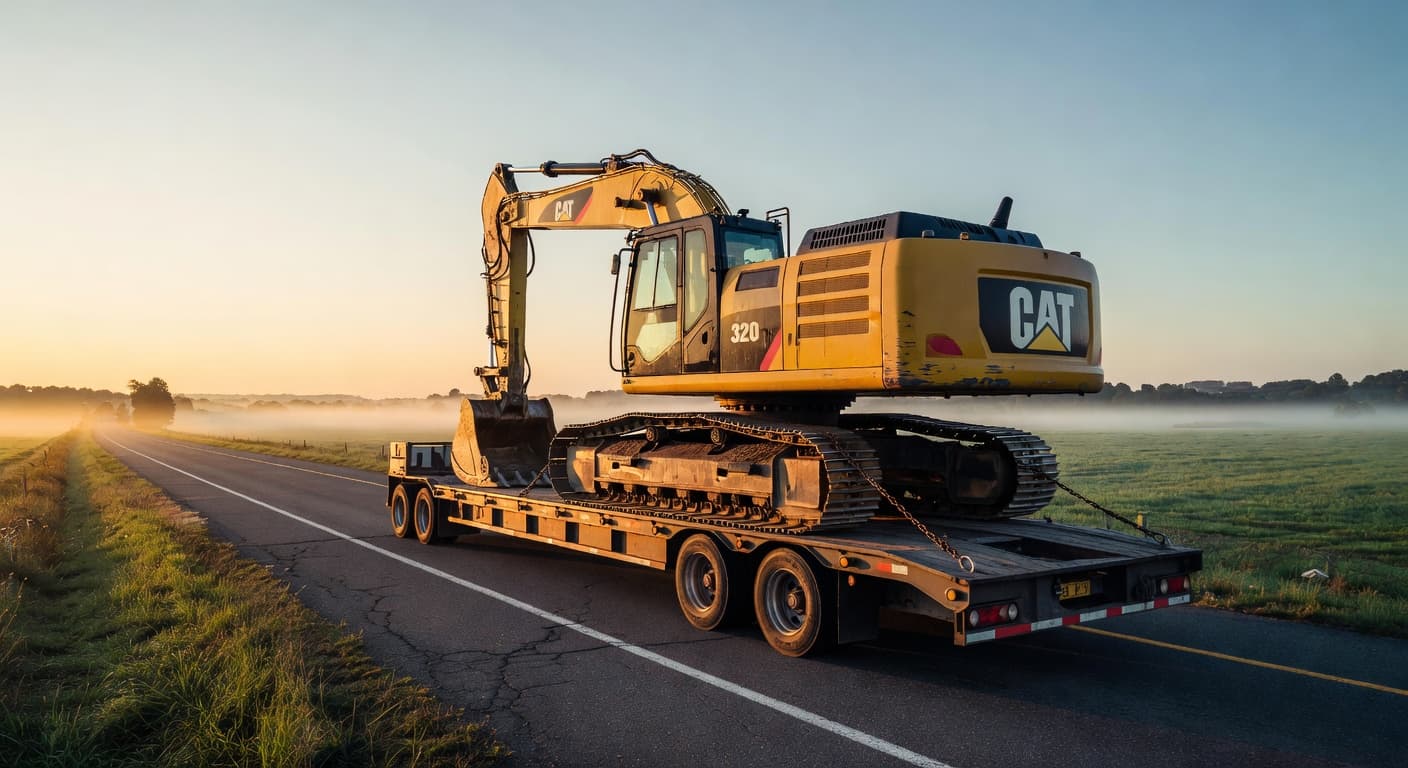
Typically covers heavy machinery like excavators, loaders, and generators against theft or damage at job sites and between them.
Installation Floater
Can help cover materials and fixtures from the moment you buy them until they are installed and accepted at a project.

Builders Risk
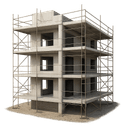
May cover a structure under construction, along with materials on site, against damage from fire, wind, theft, and vandalism.
Inland Marine Insurance Cost in Las Cruces
Average Cost in New Mexico
$25 - $110
per month
Businesses in New Mexico typically see inland marine insurance premiums of $25 - $110 per month, which tends to run 13% above the national range of $20 - $100 per month.
- Total insured value of the scheduled property
- Type and age of the equipment
- Where it is stored and how far it travels
- Jobsite security and theft prevention
- Per-item limits and deductibles
- Prior theft and in-transit losses
Contact CPK Insurance for a personalized quote.
Prices shown are general estimates, not guaranteed rates or quotes. Your actual premium will depend on the insurer, coverage selected, business details, location, claims history, and other underwriting factors. Learn about our pricing methodology.
New Mexico's premium index is 96, which means you can expect pricing close to the national average rather than a surcharge for operating in the state. Coverage limits and deductibles are major drivers, and so are claims history, location, industry or risk profile, and policy endorsements. A small contractor in Santa Fe may need a different limit than a larger operation moving equipment between Albuquerque and job sites in southern New Mexico.
Risk conditions also matter. Wildfire, flooding, and local crime patterns can affect the way carriers evaluate storage and transit exposures. The market is competitive, with 260 active insurance companies in the state. A careful quote should compare not just price but the schedules, deductibles, and endorsements attached to each offer. If you bundle with other business policies, multi-policy arrangements may reduce total cost, but pricing still varies by carrier and account details.
Industries & Insurance Needs in Las Cruces
Doña Ana County's business mix changes who most often needs this coverage: health care and social assistance account for 16% of establishments, retail trade 13.3%, and construction 12.1%. So the local inland marine conversation is not limited to contractors' tools. It can also involve diagnostic devices moving between care settings, inventory or display property traveling to events or temporary locations, and materials or equipment staged at active job sites. That mix matters because inland marine forms are usually built around the property class and how it moves, not just the name of your business. A contractor may need scheduled equipment and installation exposure reviewed, while a retailer may need transit and off-premises property language examined more closely. A medical or service operation should look carefully at item values, portability, and who has custody of the property during transport. Start your quote request with a property list by item type and movement pattern, not just a total limit.
What Makes Las Cruces Different
Around Las Cruces, the county establishment mix points to a broad set of businesses that move property as part of normal operations, especially across construction, retail, and health-related services. In some places, buying this coverage is driven almost entirely by one trade. Here, a one-size-fits-all form can leave gaps if your property is borrowed, installed, demonstrated, delivered, or stored away from your main location. Certificate requests may come from more than one direction at once. A landlord, project owner, or commercial customer may ask you to document coverage before property is brought on site. The review that pays off is the one tied to how your crews actually work. Ask what property moves, who controls it, how often it changes location, and whether values spike during certain jobs or deliveries. If those details are not reflected in the quote, ask for the covered property categories and valuation method to be shown clearly.
Our Recommendation for Las Cruces
Build a simple equipment and property schedule that separates owned tools, leased items, customer property in your care, and materials waiting to be installed. If you are in construction, ask whether the quote is built for small hand tools, larger scheduled equipment, or installation exposure, because those can be underwritten differently. If you are in retail or health-related services, focus on how the policy treats property in transit, temporary locations, and items handled by employees between stops. Keep values current, because estimating low to save premium tends to backfire. Underreporting can create a harder claim discussion after a theft or loss. If policy wording is unclear, ask your agent to walk through one real route or job cycle from pickup to overnight storage and confirm where coverage is intended to apply.
Get Inland Marine Insurance in Las Cruces
Enter your ZIP code to compare inland marine insurance rates from carriers in Las Cruces, NM.
Business insurance starting at $25/mo
FAQ
Frequently Asked Questions
Las Cruces businesses that move property between locations are the clearest fit. In Doña Ana County, construction makes up 12.1% of establishments. Roughly one in eight local businesses deals with tools, equipment, and materials that regularly leave the main premises for transit and temporary job sites.
With 3,836 business establishments in Doña Ana County, contract timelines compress and certificate requests arrive on shorter notice. If your property travels, having limits and item schedules ready can help you respond before a job, delivery, or vendor setup is delayed.
Contractors should list what leaves the shop, each item's approximate value, who transports it, and where it is stored overnight. That gives the quote a better chance of matching real movement patterns instead of assuming all property stays at one address.
Retailers and service firms often have the same mobile-property issue. In Doña Ana County, retail trade represents 13.3% of establishments and health care and social assistance 16%. Nearly three in ten local businesses handle inventory, devices, or customer records that travel beyond the storefront and may warrant a closer look at how they are protected.
It may help cover movable business property such as tools, equipment, and materials while they are in transit, at job sites, or in temporary storage in New Mexico, but the exact schedule of items depends on the policy.
It is designed for property moving over land between locations, so if your business sends materials between places like Santa Fe and Albuquerque, the policy can follow the covered items during that trip if the route and property are included in the policy.
Contractors, builders, and other businesses that regularly move expensive gear on trucks, trailers, or job sites should ask about it, especially if equipment is stored offsite or used across multiple locations.
Coverage limits, deductibles, claims history, location, industry or risk profile, and policy endorsements are the main pricing factors, and New Mexico's wildfire and flooding exposure can also influence underwriting.
Sources
- 1.U.S. Census Bureau, County Business Patterns, Doña Ana County(Doña Ana County supports 3,836 business establishments.; Doña Ana County's business mix includes health care and social assistance at 16%, retail trade at 13.3%, and construction at 12.1% of establishments.)
Updated July 16, 2026





