







































Updated July 5, 2026

Dealer Open Lot Insurance in Santa Fe
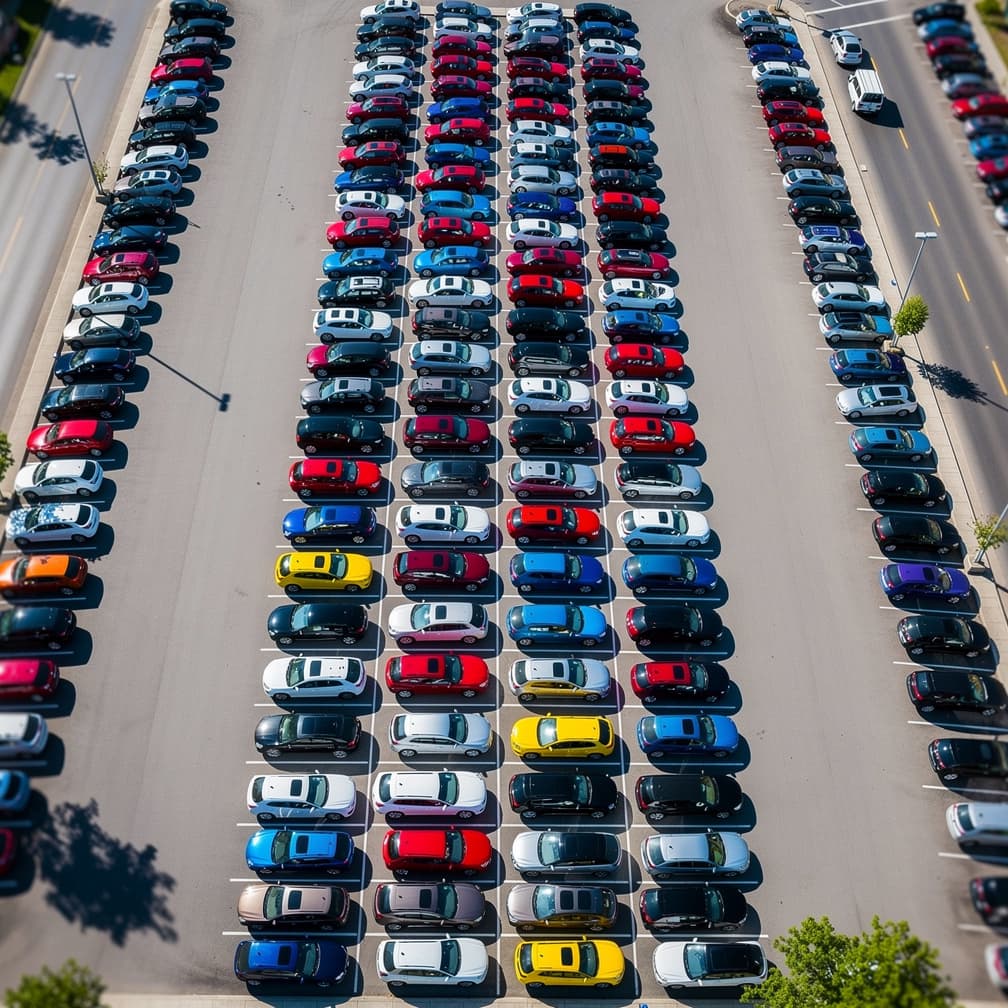
A lot of local dealers revisit this coverage right when a downtown lease is signed, an overflow row is added off Cerrillos, or spring inventory starts arriving before Fiesta season and summer tourism. That is the point where dealer open lot insurance in Santa Fe stops being an abstract renewal item and becomes a cash-flow decision tied to where units sit, how visible they are, and how often they move between display, storage, detailing, and delivery. Here, the buying environment is shaped by a market that serves both residents and visitors, with inventory often presented in smaller, highly visible settings rather than on one large suburban footprint. Shoppers may expect cleaner presentation, higher trim mixes, and a more polished handoff experience, which can push you to carry units with more value concentrated in fewer spaces. If your operation uses a main frontage lot plus a secondary storage area, ask for a quote that schedules every address, clarifies valuation, and matches how vehicles are actually parked overnight.
Dealer Open Lot Insurance Risk Factors in Santa Fe
Santa Fe's top risk factors include Wildfire risk, Drought conditions, Power shutoffs, and Air quality events.
New Mexico has a moderate climate risk rating. Top hazards: Wildfire (Very High), Drought (High), Flash Flooding (High), Severe Storm (Moderate). The state's expected annual loss from natural hazards is $340M, which influences dealer open lot insurance premiums and may affect coverage availability in high-risk areas.
What Dealer Open Lot Insurance Covers
The useful review here is not the generic list of causes of loss but the way your inventory exposure changes by location, storage practice, and daily handling. If part of your stock sits on the main sales lot and part sits at a secondary address, ask whether each location is scheduled correctly and whether limits are adequate for the highest concentration of units you hold at one time. A policy that looks workable on paper can leave a gap if overflow storage is informal or newly added.
You should also review how the policy treats vehicles during ordinary dealership movement. That includes units being repositioned for merchandising, moved to service or detail, taken to another storage area, or prepared for a customer demonstration.
Weather and lot conditions make concentration risk worth special attention. If many vehicles are parked tightly in one exposed section, a single hailstorm could damage dozens of units at once. That is why deductible structure, per-location limits, and any reporting requirements deserve a line-by-line review before renewal. If you use fencing, lighting, key control, or camera systems, make sure those details are reflected accurately in the submission. Underwriters use them to judge both theft exposure and post-loss documentation.
This is also the right place to ask about exclusions and valuation language. If a unit is newly acquired, temporarily offsite, or awaiting repair after minor damage, confirm how the policy responds and what records you need to support the claim. A clean schedule, clear storage map, and written movement procedures usually make coverage easier to evaluate before a loss happens.
Coverage Included

Weather Damage
Covers hail, wind, flood, and storm damage to lot inventory.
Theft Protection
Covers vehicles stolen from your lot.
Fire Damage
Covers fire and explosion damage to inventory vehicles.

Vandalism
Covers intentional damage to vehicles on your lot.
Test Drive Coverage
Covers vehicles during customer and employee test drives.

Transit Coverage
Covers vehicles being moved between lot locations.
Industries & Insurance Needs in Santa Fe
County business density is the local business fact that changes the conversation. Santa Fe County has 4,957 business establishments, and its largest establishment shares are retail trade at 15.6%, professional, scientific, and technical services at 13.5%, and health care and social assistance at 11.3%. That mix matters because dealers here often sell into a customer base that includes small business owners, professionals, and service-sector households who shop on convenience, presentation, and location as much as raw inventory count. For a dealer, that can mean using a compact frontage lot, rotating vehicles more often, and keeping some units at a second address so the visible line stays fresh. When you request terms, do not just give a total unit count. Break out where vehicles are displayed, where they are stored after hours, and whether higher-value units are concentrated at one location.
What Makes Santa Fe Different
Smaller, more visible inventory footprints are what change the calculus here. In many markets, a dealer can spread units across a broad auto row and let scale absorb some concentration issues. Here, inventory often sits in tighter, more customer-facing settings where a handful of vehicles can represent a large share of total lot value. That makes address accuracy, peak-value reporting, and overnight storage details more important than a generic dealership description. The local customer profile reinforces that point. You may stock fewer units but carry more value per vehicle, especially if your mix leans toward cleaner late-model inventory or specialty trims. The practical takeaway is simple: build your quote around concentration of value, not just number of cars. If one corner of the lot or one secondary address holds the most expensive units, call that out before binding.
Our Recommendation for Santa Fe
Start with a location map, not a vehicle count. List each address where sale inventory sits, including any back lot, service-adjacent row, or temporary overflow space, and note which units stay there overnight. Next, separate your inventory by value bands so the quote reflects whether a small number of vehicles drives most of the exposure. If your frontage lot is designed to sell from visibility and presentation, review whether your limit still works during seasonal inventory buildups, not just on an average month. It is also worth asking how newly acquired units are treated before they are fully entered into your normal schedule, especially if transport, detailing, and display happen quickly. If any policy wording is unclear, you can verify filing or regulatory information through the New Mexico Office of Superintendent of Insurance, then come back to the quote with specific questions about addresses, reporting, and valuation.
Get Dealer Open Lot Insurance in Santa Fe
Enter your ZIP code to compare dealer open lot insurance rates from carriers in Santa Fe, NM.
Business insurance starting at $25/mo
FAQ
Frequently Asked Questions
Santa Fe dealers often work from compact, high-visibility lots, so the key issue is value concentration. If a few vehicles represent a large share of total inventory, ask the quote to reflect where those units sit overnight and whether any second address is involved.
Santa Fe operations should list every address where sale inventory is stored or displayed. A back lot, overflow space, or service-adjacent row can change how exposure is reviewed, especially if vehicles move between locations during the week.
Santa Fe County has 4,957 business establishments, with retail trade at 15.6%, professional services at 13.5%, and health care and social assistance at 11.3%. That customer base can favor convenience and presentation, so smaller lots and faster inventory rotation deserve closer review.
Santa Fe buyers may support a cleaner late-model or higher-trim inventory mix. If your lot carries more value in fewer units, review limits and valuation carefully instead of relying on a simple car-count estimate.
Dealers often do if vehicles for sale are stored at that overflow address. The key step is making sure the location is disclosed and scheduled correctly, because a quote built only around the main lot can miss how your inventory is actually stored.
The state regulates insurance through the Office of Superintendent of Insurance. If you want to verify licensing, review consumer resources, or confirm where to direct a formal complaint, start there before binding or renewing coverage.
Yes, but only if each location is listed on the schedule and the carrier has evaluated your storage setup. Give every address, explain ordinary vehicle movement, and check the schedule before you accept the quote.
Coverage can vary on test-drive handling, so you should review the policy wording and your dealership procedures together. Ask how the carrier treats authorized demonstrations, who may drive, and what documentation is expected if a loss happens.
Sources
- 1.U.S. Census Bureau, County Business Patterns, Santa Fe County(Santa Fe County has 4,957 business establishments, and its largest establishment shares are retail trade at 15.6%, professional, scientific, and technical services at 13.5%, and health care and social assistance at 11.3%.)
- 2.New Mexico Office of Superintendent of Insurance(The New Mexico Office of Superintendent of Insurance is the state's insurance regulator.)
Updated July 5, 2026





