







































Updated July 5, 2026

Inland Marine Insurance in Santa Fe
A smaller market changes how you shop for inland marine insurance in Santa Fe. You may see fewer local carrier appetites for unusual classes, higher-value scheduled items, or property that moves between a studio, a vehicle, and a client site, so the submission details matter more. That usually means being ready to show exactly what travels, where it is stored overnight, who has custody, and whether you need blanket limits or itemized scheduling.
That tighter local dynamic also affects proof expectations. In a relationship-driven market, galleries, landlords, event venues, and commercial clients often want clean certificates and clear descriptions before property leaves your premises or enters theirs. Santa Fe buyers often need coverage wording reviewed around fine arts, installation floaters, tools, medical equipment, or customer property in your care, because the exposure is less about volume and more about mobility, custody changes, and temporary locations. If your operation depends on moving property without coverage gaps, gather an equipment list, recent invoices, and your usual transit and storage pattern before you request a free quote.
Inland Marine Insurance Risk Factors in Santa Fe
Local risk here is less about a unique city-only hazard and more about how property sits between locations. If your equipment, inventory, or customer items spend time in vehicles, temporary storage, outdoor event setups, or partially secured work sites, you should review theft, weather-related damage, and breakage terms closely. That matters for businesses that load in early, unload late, or leave property off premises between appointments. The practical question is not whether a loss happens only on the road. It is whether your policy language **follows property while it is being transported, staged, installed, exhibited, or held by someone else** for a short period. Ask for each common handoff to be mapped: your premises to vehicle, vehicle to job site, job site to temporary storage, and back again. If you use subcontractors, borrowed trailers, or shared storage, disclose that up front so exclusions and valuation terms can be reviewed before a claim tests them.
New Mexico has a moderate climate risk rating. Top hazards: Wildfire (Very High), Drought (High), Flash Flooding (High), Severe Storm (Moderate). The state's expected annual loss from natural hazards is $340M, which influences inland marine insurance premiums and may affect coverage availability in high-risk areas.
What Inland Marine Insurance Covers
In New Mexico, this coverage is built for property that does not stay put, including tools, equipment, materials, and goods being transported between locations. Your policy may follow covered items on the road, at job sites, at customer locations, and in temporary storage, subject to your policy terms and limits. That reach is especially relevant in a state where wildfire, flooding, and severe storm exposure can affect work in both urban corridors and remote areas. Standard commercial property coverage can help protect items at a fixed business address, so this coverage may help address the gap when your equipment is in a truck bed, on a project site, or staged for installation.
Common options include tools and equipment coverage, goods in transit, contractors equipment, installation floaters, and builders risk. Policy language and endorsements can vary by carrier, and New Mexico businesses should compare options because coverage requirements may vary by industry and business size. The New Mexico Office of Superintendent of Insurance regulates the market, but the state does not set a universal inland marine mandate. That makes the schedule of covered items, storage rules, and deductible choices especially important for businesses working across Santa Fe, Albuquerque, and other job locations.
Coverage Included
Tools & Equipment
Can help repair or replace hand tools, power tools, and gear that are stolen or damaged on the job or in transit.

Goods in Transit
May cover products, materials, and merchandise while they are being shipped or hauled between locations in your care.
Contractors Equipment
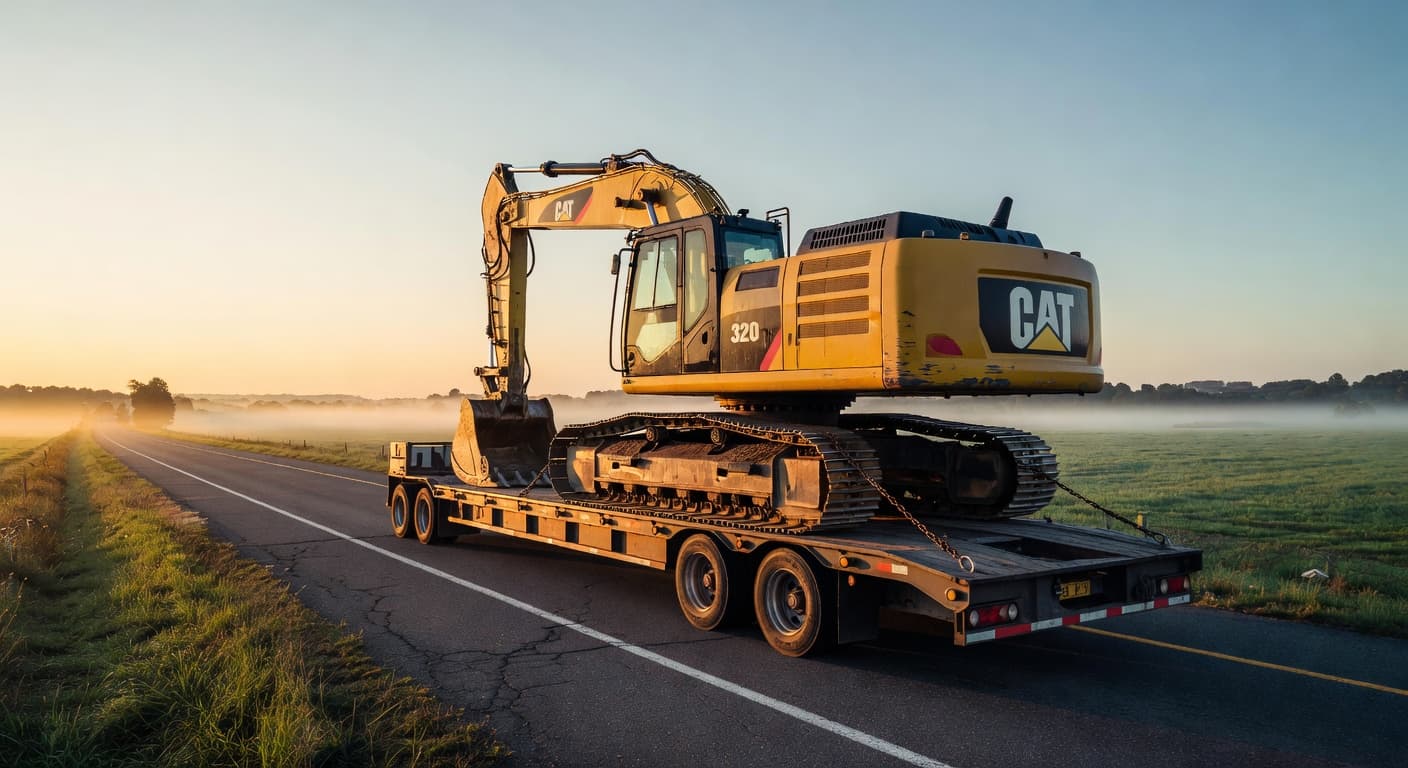
Typically covers heavy machinery like excavators, loaders, and generators against theft or damage at job sites and between them.
Installation Floater
Can help cover materials and fixtures from the moment you buy them until they are installed and accepted at a project.
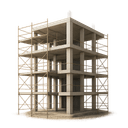
Builders Risk
May cover a structure under construction, along with materials on site, against damage from fire, wind, theft, and vandalism.
Inland Marine Insurance Cost in Santa Fe
Average Cost in New Mexico
$25 - $110
per month
Businesses in New Mexico typically see inland marine insurance premiums of $25 - $110 per month, which tends to run 13% above the national range of $20 - $100 per month.
- Total insured value of the scheduled property
- Type and age of the equipment
- Where it is stored and how far it travels
- Jobsite security and theft prevention
- Per-item limits and deductibles
- Prior theft and in-transit losses
Contact CPK Insurance for a personalized quote.
Prices shown are general estimates, not guaranteed rates or quotes. Your actual premium will depend on the insurer, coverage selected, business details, location, claims history, and other underwriting factors. Learn about our pricing methodology.
New Mexico's premium index is 96, which means you can expect pricing close to the national average rather than a surcharge for operating in the state. Coverage limits and deductibles are major drivers, and so are claims history, location, industry or risk profile, and policy endorsements. A small contractor in Santa Fe may need a different limit than a larger operation moving equipment between Albuquerque and job sites in southern New Mexico.
Risk conditions also matter. Wildfire, flooding, and local crime patterns can affect the way carriers evaluate storage and transit exposures. The market is competitive, with 260 active insurance companies in the state. A careful quote should compare not just price but the schedules, deductibles, and endorsements attached to each offer. If you bundle with other business policies, multi-policy arrangements may reduce total cost, but pricing still varies by carrier and account details.
Industries & Insurance Needs in Santa Fe
County business mix is the local clue. Santa Fe County reports 4,957 business establishments, with retail trade at 15.6%, professional, scientific, and technical services at 13.5%, and health care and social assistance at 11.3%, so inland marine demand here often comes from businesses moving saleable stock, specialized equipment, and client property rather than from one dominant heavy industry. That changes what you should ask for in a quote.
A retailer may need inventory and display property reviewed while it travels to pop-ups or secondary locations. A professional services firm may need scheduled electronics, instruments, or project equipment that leaves the office regularly. A health-related operation may need mobile equipment and property in transit documented carefully, especially if items rotate between sites. Instead of asking for a generic policy, build your submission around what moves, its replacement cost, where it is kept overnight, and whether any item should be individually scheduled.
What Makes Santa Fe Different
The main difference is market selectivity. In a smaller, relationship-driven place, the issue is often not whether inland marine exists, but whether your submission makes your mobile property easy for an underwriter to understand. If your business has mixed-use property, such as tools plus customer items, inventory plus display pieces, or equipment that moves between office, vehicle, and temporary site, vague applications can lead to narrower options or slower quoting.
That is especially relevant in a county with 4,957 business establishments. The local buyer pool is broad enough to include retail, professional services, and health-related operations, but not so large that every carrier writes every niche exposure the same way. So the winning move is specificity. Separate owned property from customer property. Note any high-value items, serial numbers, and peak values during busy periods. Describe who transports the property and where it stays overnight. The clearer that picture is, the easier it is to compare terms that actually fit how your property moves.
Our Recommendation for Santa Fe
Start with a property movement map, not a generic application. List what leaves your premises, how often, the highest total value in any one vehicle or temporary location, and whether you need blanket coverage or scheduled items. That one exercise usually surfaces the real coverage question faster than shopping on price alone.
If you work with venues, landlords, or commercial clients, ask to review certificate wording and loss payee or additional insured requests early, because proof requirements can hold up a job or event even when the policy itself is acceptable. If you handle customer property, separate that exposure from your own equipment so limits are not guessed at. If any item is hard to replace, use current invoices or appraisals rather than rough estimates. For local buyers, the next step is to request a free quote with a complete equipment list, transit pattern, storage details, and any contract requirements you already know about.
Get Inland Marine Insurance in Santa Fe
Enter your ZIP code to compare inland marine insurance rates from carriers in Santa Fe, NM.
Business insurance starting at $25/mo
FAQ
Frequently Asked Questions
Santa Fe businesses often do, because the issue is mobility, not distance. If tools, inventory, art, equipment, or customer property leave your premises for deliveries, installations, events, or temporary storage, you should review whether your policy follows that property off site.
Santa Fe County has 4,957 business establishments, with retail trade, professional services, and health care among the leading sectors, so many local buyers need coverage built around mobile stock, specialized equipment, or property that rotates between locations.
Santa Fe buyers should compare both approaches. Scheduled coverage can make sense for distinct high-value items, while blanket limits may fit changing inventory or equipment sets better. The right choice depends on how values fluctuate and how often property moves.
Santa Fe offices often need that reviewed if devices, instruments, or electronics travel to another site, event, or temporary workspace. Ask for off-premises transit, temporary storage, and valuation terms to be matched to how the equipment is actually used.
Santa Fe insurance questions ultimately fall under the New Mexico Office of Superintendent of Insurance. For a buyer, that matters most when you want to confirm licensing, understand complaint channels, or clarify a policy issue before or after purchase.
It may help cover movable business property such as tools, equipment, and materials while they are in transit, at job sites, or in temporary storage in New Mexico, but the exact schedule of items depends on the policy.
It is designed for property moving over land between locations, so if your business sends materials between places like Santa Fe and Albuquerque, the policy can follow the covered items during that trip if the route and property are included in the policy.
Contractors, builders, and other businesses that regularly move expensive gear on trucks, trailers, or job sites should ask about it, especially if equipment is stored offsite or used across multiple locations.
Sources
- 1.U.S. Census Bureau, County Business Patterns, Santa Fe County(Santa Fe County reports 4,957 business establishments.; Santa Fe County's leading sectors by establishment share are retail trade 15.6%, professional, scientific, and technical services 13.5%, and health care and social assistance 11.3%.)
- 2.New Mexico Office of Superintendent of Insurance(The New Mexico Office of Superintendent of Insurance regulates insurance questions for Santa Fe buyers.)
Updated July 5, 2026





