Updated July 5, 2026

On-Hook Towing Insurance in Santa Fe
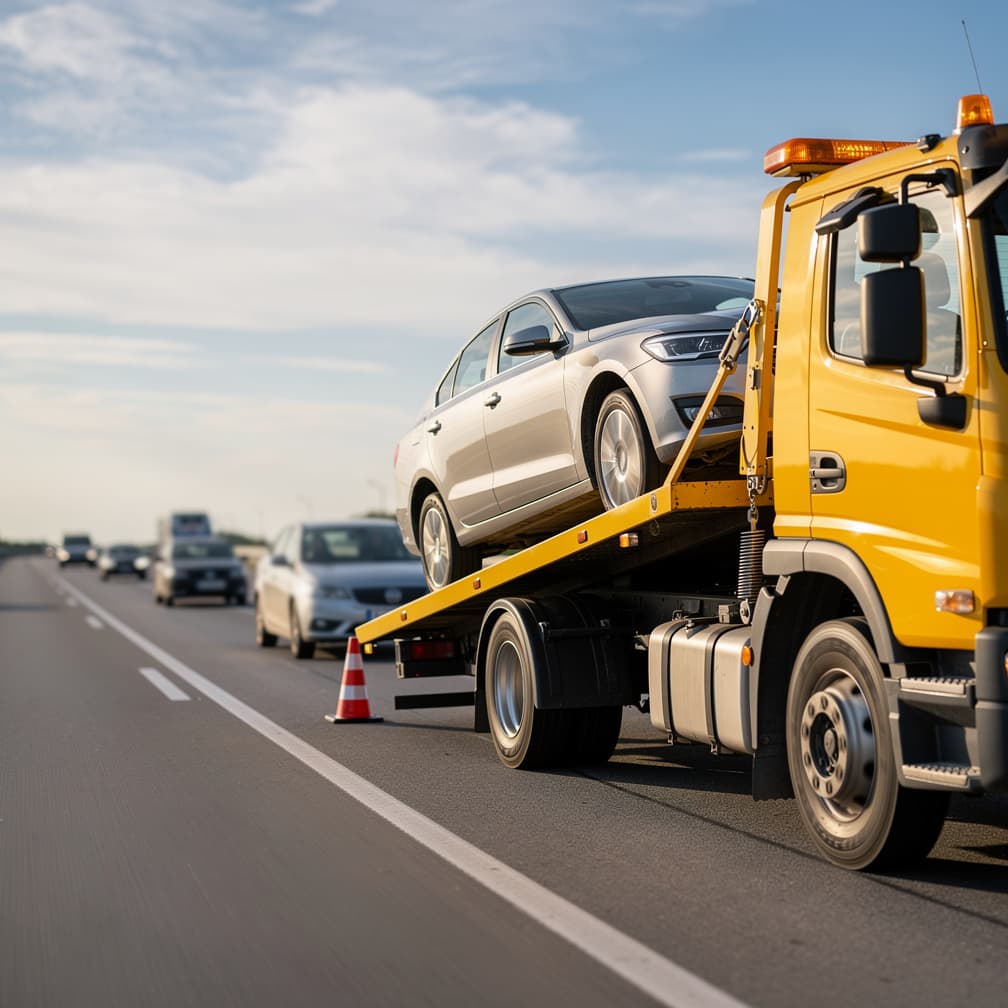
A Santa Fe tow operator often works from a small yard or shared industrial space, then runs short dispatches between downtown parking calls, hotel and retail pickups, body shops, and roadside recoveries on the highways feeding into town. That operating pattern changes how you review on-hook towing insurance in Santa Fe. You are not just thinking about long hauls. You are looking at frequent hook-ups, tight loading areas, customer vehicles with higher repair expectations, and handoffs that happen fast when traffic or parking pressure builds. A policy review here should focus on the vehicles you actually take into care, how often units are moved in a single shift, where they are stored before release, and whether your paperwork matches the way drivers document pre-existing damage. Santa Fe households report median income of $70,110, so even routine damage disputes can involve owners who expect careful handling, clear photos, and a fast claim response. Bring your dispatch radius, truck list, storage setup, and sample invoices to a quote review so limits and deductibles can be matched to the jobs you are really taking.
On-Hook Towing Insurance Risk Factors in Santa Fe
Santa Fe's top risk factors include Wildfire risk, Drought conditions, Power shutoffs, and Air quality events.
New Mexico has a moderate climate risk rating. Top hazards: Wildfire (Very High), Drought (High), Flash Flooding (High), Severe Storm (Moderate). The state's expected annual loss from natural hazards is $340M, which influences on-hook towing insurance premiums and may affect coverage availability in high-risk areas.
What On-Hook Towing Insurance Covers
In New Mexico, the most useful review starts with the moments where damage disputes actually develop during a tow. Think about the jobs that create extra strain on bumpers, undercarriages, suspensions, body panels, and glass. A compact car picked up from a paved parking lot is one exposure. A disabled SUV loaded from a narrow shoulder, a dirt lot, or a sloped driveway is another. If your operation handles both, your policy review should focus on whether your limits and deductibles still make sense for the heaviest and most damage-sensitive vehicles you accept.
State conditions can change how an ordinary tow becomes a more complicated one. Wind, dust, sudden rain, hail, and wildfire-related route changes can all affect loading position, visibility, stopping distance, and where you can safely unload. That does not automatically change what your policy may cover, but it does change how carefully you should document the vehicle condition before hookup, during loading, and at delivery. If your drivers work nights on highways, tribal roads, oilfield-adjacent routes, or remote county roads, ask how the policy responds when a routine tow turns into a longer transport because the nearest safe drop location is farther away than expected.
You should also review the operational edges that often create claim friction. Low-clearance vehicles, modified trucks, electric vehicles, motorcycles, and units with pre-existing damage each carry their own dispute potential. In practice, the strongest buying move is to line up your dispatch records, tow tickets, and photo process with the policy terms before renewal. That gives you a cleaner way to show what happened, what condition the vehicle was in, and whether the loss arose during the tow itself.
Coverage Included

Collision on Hook
Covers damage to towed vehicles from collisions during transport.
Comprehensive on Hook
Covers theft, fire, and weather damage to vehicles being towed.
Loading & Unloading
Covers damage during the process of loading and unloading vehicles.
Winching Coverage
Covers damage to vehicles during winching and recovery operations.

Multiple Vehicle
Covers all vehicles on multi-car carriers and rollback flatbeds.
Industries & Insurance Needs in Santa Fe
Santa Fe County business mix matters because it shapes who calls you and what kinds of vehicles you are more likely to tow. The county has 4,957 business establishments, with retail trade at 15.6%, professional, scientific, and technical services at 13.5%, and health care and social assistance at 11.3%. That mix points to steady demand from shopping areas, office users, employee parking issues, fleet sedans, and service vehicles rather than only heavy recovery work. For on-hook coverage, that means your limit review should not stop at average vehicle values on your own books. It should consider whether you regularly move newer personal vehicles, work vans with business equipment concerns, or customer units tied to medical and professional schedules where a damage allegation escalates quickly. Ask for quote options that separate your routine impounds, private property tows, and shop deliveries if those jobs create different severity patterns.
What Makes Santa Fe Different
Frequent custody changes are what make this market different. In a place where many calls are short, local, and tied to parking, retail, lodging, office, and service destinations, the exposure is often created at the moment you take possession, secure the vehicle, move it through a tight lot, and release it to the next party. That is different from building your whole insurance decision around mileage alone. Here, a small scrape during loading, a wheel issue noticed after a short tow, or a dispute over pre-existing damage can become the claim that matters. The practical response is to review how your drivers photograph vehicles, note condition before hookup, record keys and contents, and document who accepts the unit at drop-off. If your operation mixes consent tows, private property work, and shop deliveries in the same week, ask for a policy review built around those custody transitions, because that is where local claim friction often starts.
Our Recommendation for Santa Fe
Start with your last few months of tickets and sort them by job type, not just by revenue. If a large share of your work comes from parking enforcement, retail lots, hotels, repair shops, or short-distance roadside calls, tell that story clearly during quoting. It helps an advisor test whether your on-hook limit fits the vehicles you actually handle and whether your deductible still makes sense for smaller but more frequent damage allegations. Review your intake process too. A stronger file usually includes time-stamped photos, condition notes before hookup, storage location records, and a signed or otherwise documented release at drop-off. If more than one truck handles different kinds of calls, ask whether your vehicle schedule and operational description still match reality. If you have not revisited those details recently, request a free, no-obligation quote and compare how each option treats the way your drivers take custody, transport, and release customer vehicles.
Get On-Hook Towing Insurance in Santa Fe
Enter your ZIP code to compare on-hook towing insurance rates from carriers in Santa Fe, NM.
Business insurance starting at $25/mo
FAQ
Frequently Asked Questions
Santa Fe tow companies should bring a current truck schedule, recent job mix, dispatch radius, storage details, and sample condition photos. Local operations often involve frequent short tows and fast handoffs, so underwriters need to see how you document custody from pickup through release.
Santa Fe County does affect the review. With 4,957 establishments and strong shares in retail, professional services, and health care, many calls can involve customer vehicles, employee parking issues, and service fleets, so your limit should reflect the units you actually take into care.
Santa Fe short tows can still produce expensive disputes because many claims start during hookup, loading, lot maneuvering, or release, not only during long transport. If your work is concentrated in tighter commercial areas, ask for a limit review based on custody frequency, not mileage alone.
Santa Fe households report median income of $70,110, which can mean higher expectations around vehicle condition, documentation, and repair handling. That makes pre-tow photos, written condition notes, and a clear release process worth reviewing before you bind coverage.
Operators doing rural recovery work should review on-hook coverage closely because off-pavement loading, longer hauls, and difficult access points can increase damage disputes. Ask for terms built around your actual recovery jobs, not just routine roadside towing.
Buyers should compare quotes using the same truck schedule, driver list, service territory, and job mix each time. Then review differences in limits, deductibles, exclusions, and how each option treats your hardest-to-place vehicles and longest tows.
Weather can affect buying decisions because wind, dust, hail, and sudden rain change loading conditions and documentation needs. If weather regularly complicates your calls, describe that in the submission so the quote reflects the operation more accurately.
Tow companies should prepare a current unit list, driver information, service territory notes, loss history if available, and sample tow documentation. A cleaner submission helps the underwriter understand whether your exposure is mostly transport, impound, roadside, or recovery.
Sources
- 1.U.S. Census Bureau, ACS 5-Year Estimates, table B19013(Santa Fe households report median income of $70,110, so even routine damage disputes can involve owners who expect careful handling, clear photos, and a fast claim response.)
- 2.U.S. Census Bureau, County Business Patterns, Santa Fe County(The county has 4,957 business establishments, with retail trade at 15.6%, professional, scientific, and technical services at 13.5%, and health care and social assistance at 11.3%.)
Updated July 5, 2026