







































Updated July 16, 2026

Builders Risk Insurance in Buffalo
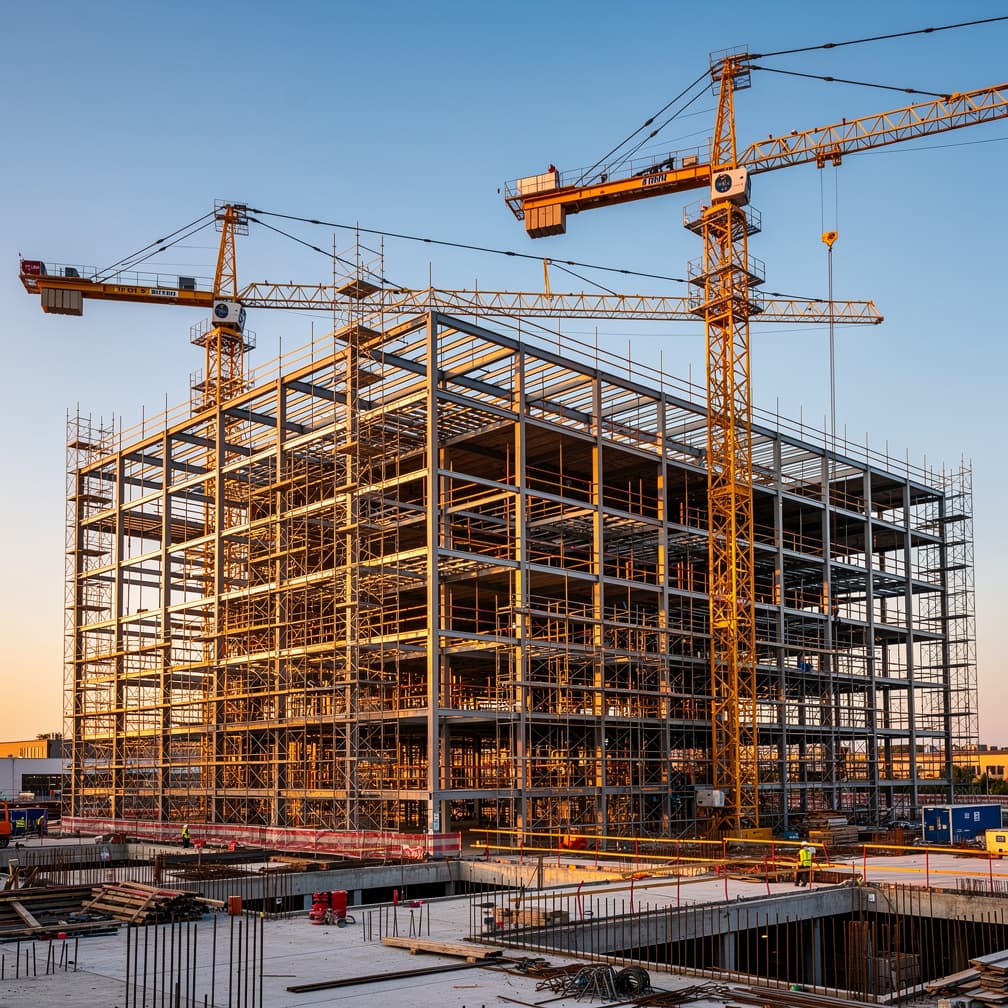
Most buyers start thinking about this coverage once a closing date lands, a lender needs proof before releasing rehab funds, or a contractor is about to begin work on a vacant structure. At that point you need to pin down completed value, who carries the financial risk during construction, and how long materials will sit exposed before installation. With a median home value of $152,300, many local projects are not luxury custom builds, which means a $15,000 valuation error can derail a budget that has no room to absorb it. That matters most if you are renovating an older house in neighborhoods with block-by-block value differences, or converting a small commercial space where the budget is tight and every delay affects carrying costs. Before work starts, line up the named insureds and confirm whether existing structure is included for a renovation. Then match the policy term to the actual construction schedule rather than the ideal one.
Builders Risk Insurance Risk Factors in Buffalo
Buffalo's top risk factors include Flooding, Hurricane damage, Coastal storm surge, and Wind damage.
New York has a high climate risk rating. Top hazards: Hurricane (High), Flooding (High), Winter Storm (High), Severe Storm (Moderate). The state's expected annual loss from natural hazards is $3.8B, which influences builders risk insurance premiums and may affect coverage availability in high-risk areas.
What Builders Risk Insurance Covers
Projects in this state often create coverage questions that do not show up on a simple ground-up build. A townhouse renovation in a dense neighborhood can involve existing structure exposure, shared walls, limited space, and materials that arrive in phases because there is nowhere to stockpile them. A suburban addition or commercial fit-out may raise different issues, especially if the owner keeps part of the property in use while construction continues.
As you review terms, focus on where property is located before it becomes part of the work. If key materials move from supplier to temporary storage to the site, confirm how those stages are addressed and whether sublimits apply. If the project depends on custom windows, millwork, mechanical components, or imported finishes, confirm how delay after a covered property loss could affect the schedule and whether soft cost coverage is worth reviewing.
Renovation work deserves extra scrutiny. If the contract places responsibility on you for damage tied to the work, ask how the policy treats the new construction versus the preexisting building. You should also verify who needs to appear on the policy, such as the owner, lender, general contractor, or development entity, and whether they need insured status or evidence as a loss payee or additional interest. Insurance here is regulated by the State Department of Financial Services, so policy forms and notices should be reviewed with that framework in mind before you finalize the purchase.
Coverage Included

Structure Coverage
Covers the building or structure under construction.

Materials on Site
Covers building materials stored at the construction site.

Materials in Transit
Covers materials being transported to the job site.
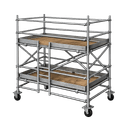
Temporary Structures
Covers scaffolding, fencing, and temporary buildings.

Soft Costs
Covers additional expenses from construction delays due to covered losses.

Equipment Coverage
Covers permanently installed fixtures and equipment.
Industries & Insurance Needs in Buffalo
Erie County has 22,574 business establishments, and its largest establishment shares are retail trade at 13.9%, health care and social assistance at 11.7%, and other services at 10.7%, so a lot of local construction work touches occupied storefronts, care-related spaces, and small service businesses that cannot absorb long shutdowns. For a builders risk buyer, that changes the conversation from simple property replacement to business interruption around the project itself: phased renovations, limited access, and tighter expectations from landlords, tenants, or lenders. If you are improving a strip-center unit, medical office, salon, or similar small commercial space, ask whether the policy structure fits tenant improvements, owner-held projects, or a contractor-led build. It is also worth confirming how materials are covered before installation if deliveries are staged around an operating business.
What Affects Builders Risk Rates in Buffalo
Buffalo buyers often feel the budget pressure of a build or rehab more directly because the city's median household income is $48,050. That does not change underwriting by itself, but it does change how carefully you should review deductibles, valuation, and optional extensions before binding coverage. A policy that looks inexpensive can still leave a gap if debris removal, theft of materials, or soft costs are not aligned with the job you are financing. On smaller residential rehabs, that gap can force you to fund part of a loss out of pocket while loan payments, taxes, and contractor scheduling continue. The practical move is to request a quote that breaks out completed value, temporary storage, and any delay-related coverage separately, so you can see what is actually being insured instead of comparing only the total premium.
What Makes Buffalo Different
In a market where many projects start from comparatively modest property values, it is easy to understate completed value, skip soft cost review, or assume a basic form is enough because the job is not a high-end build. A gap that size can sink a rehab before the drywall goes up. If a fire, theft, or weather event interrupts work, the loss is measured against what the project should cost to complete, not against what the property looked like before demolition started.
On a rehab, you also need to separate the value of the existing structure from the value being added, because the wrong assumption there can leave part of the project uninsured. Build the quote from the construction budget, financing terms, and timeline. Then test whether the limits still hold up if labor, materials, or completion dates move.
Our Recommendation for Buffalo
Start with the construction contract and draw schedule, then request a quote that mirrors how the job will actually unfold. If this is a renovation, verify whether your policy applies only to new work or also to the existing structure while it is being altered. If materials will be stored off site or delivered in stages, ask how those items are covered before they are installed. For a lender-backed project, make sure the mortgage holder, owner, and contractor interests are reflected correctly instead of assuming the certificate request tells the whole story.
If the job involves a small commercial unit, review whether tenant improvements, fixtures, and delay-related costs need separate attention. You should also compare the planned completion date against a realistic buffer for inspections, change orders, and seasonal slowdowns, then choose a policy term that does not expire in the middle of punch-list work.
Get Builders Risk Insurance in Buffalo
Enter your ZIP code to compare builders risk insurance rates from carriers in Buffalo, NY.
Business insurance starting at $25/mo
FAQ
Frequently Asked Questions
Buffalo house rehabs should usually be valued around the completed project cost, not just the purchase price. With the city's median home value at $152,300, even modest projects can be underinsured if renovation budget, materials, and soft costs are not added carefully.
Some forms focus on the work in progress, while others can be structured to include the existing structure being altered, depending on policy terms and how the project is described to underwriting. The wrong assumption here can leave you paying out of pocket for a loss you thought was covered.
Erie County has 22,574 business establishments, so many projects involve active retail, care, or service locations rather than empty shells. That makes phased work, material staging, and access restrictions more important to review before you bind coverage.
Buffalo-area commercial renovations often touch the county's largest establishment groups, retail trade at 13.9%, health care and social assistance at 11.7%, and other services at 10.7%. Those sectors tend to involve occupied spaces, which means tenant improvements and scheduling around business hours deserve close attention.
Buffalo quote requests move more cleanly when you have the construction budget, project timeline, financing requirements, site address, and named parties ready. If the project is financed, include any lender insurance requirements early so the policy structure can be reviewed before closing.
Brownstone renovations often need closer review of existing structure issues, occupied premises, and how materials move through constrained sites. Ask the quote to distinguish the new work from the preexisting building and to address transit or temporary storage if the site has limited room for stockpiling.
Construction lenders often set insurance requirements in the loan package, so review those documents before shopping. The practical step is to match the quote to the lender's required interests, project value, and policy term before the first draw closes.
Projects here commonly involve an owner, development entity, lender, and general contractor, but the contract decides whose interests must appear. Check whether each party needs insured status, loss payee treatment, or simple evidence of coverage before you finalize the policy.
Sources
- 1.U.S. Census Bureau, ACS 5-Year Estimates, table B25077(With a median home value of $152,300, many local projects are not luxury custom builds, so small errors in valuation, soft cost handling, or theft limits can matter more than buyers expect.)
- 2.U.S. Census Bureau, ACS 5-Year Estimates, table B19013(Buffalo buyers often feel the budget pressure of a build or rehab more directly because the city's median household income is $48,050.)
- 3.U.S. Census Bureau, County Business Patterns, Erie County(Erie County has 22,574 business establishments, and its largest establishment shares are retail trade at 13.9%, health care and social assistance at 11.7%, and other services at 10.7%, so a lot of local construction work touches occupied storefronts, care-related spaces, and small service businesses that cannot absorb long shutdowns.)
Updated July 16, 2026





