








































Updated July 16, 2026

Commercial Truck Insurance in Buffalo
A Buffalo trucking account often mixes short urban runs, warehouse pickups, and time-sensitive freight moving toward the Peace Bridge and other Western New York corridors. One day your truck is on city streets, the next on a regional route, and that back-and-forth changes how you evaluate your operating territory. The real question is not how many units you insure but how often your operation shifts between neighborhood deliveries, retail stops, medical shipments, and countywide service calls. Erie County has 22,574 business establishments, so your trucks are never far from a shipper or receiver who may want higher liability limits or a faster certificate before a load moves. Your quote should be built around dispatch reality: where trucks park, who loads them, how often they cross county lines, and whether hired or non-owned auto exposure belongs in the review before renewal.
Commercial Truck Insurance Risk Factors in Buffalo
Buffalo's top risk factors include Flooding, Hurricane damage, Coastal storm surge, and Wind damage.
New York has a high climate risk rating. Top hazards: Hurricane (High), Flooding (High), Winter Storm (High), Severe Storm (Moderate). The state's expected annual loss from natural hazards is $3.8B, which influences commercial truck insurance premiums and may affect coverage availability in high-risk areas.
What Commercial Truck Insurance Covers
Your policy is built around the way your truck actually operates, not just the vehicle itself. For freight haulers, the core protection usually starts with motor carrier liability coverage, which addresses third-party injury or property damage exposures tied to trucking operations. New York's commercial auto minimums are listed at the state minimum split limits, but many trucking risks require higher limits because federal freight minimums and shipper expectations can exceed basic state auto requirements. Your policy may also include physical damage coverage, which can help with repair or replacement after collision or other covered damage, and cargo insurance, which may apply to goods in transit rather than the tractor alone. Trailer interchange is relevant if you use non-owned trailers under an interchange agreement, and bobtail or non-trucking liability may matter when a truck is being driven without a dispatch load. Coverage terms vary by carrier, endorsements, deductibles, and freight type, so a policy for a refrigerated route out of Albany may look different from one for a flatbed operation serving Long Island or Western New York.
Coverage Included

Motor Carrier Liability
Can help cover injuries and property damage your truck causes to others, a coverage federal regulators require most for-hire carriers to maintain.
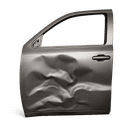
Physical Damage
Can help pay to repair or replace your own truck after an accident, fire, theft, or vandalism.
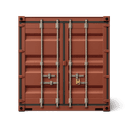
Cargo Coverage
May pay for damage to or theft of the freight you are hauling while it is in your care.
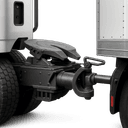
Trailer Interchange
Can help cover damage to trailers you haul under an interchange agreement but do not own.

Bobtail Coverage
May provide liability protection when you drive your tractor without a trailer attached, such as after dropping off a load.

Non-Trucking Liability
Can help cover accidents that happen when you use your truck for personal errands rather than dispatched work.
Commercial Truck Insurance Cost in Buffalo
Average Cost in New York
$550 - $1,700
per month
Businesses in New York typically see commercial truck insurance premiums of $550 - $1,700 per month, which tends to run 48% above the national range of $400 - $1,125 per month.
- Radius of operation
- Commodities hauled and cargo value
- Number and value of power units
- Driver motor vehicle records and CDL experience
- DOT safety record, inspections, and FMCSA scores
- Liability limits and physical damage deductibles
Contact CPK Insurance for a personalized quote.
Prices shown are general estimates, not guaranteed rates or quotes. Your actual premium will depend on the insurer, coverage selected, business details, location, claims history, and other underwriting factors. Learn about our pricing methodology.
For New York trucking risks, cost depends on your coverage limits, deductibles, claims history, location, risk profile, and policy endorsements. That higher pricing environment reflects several New York factors including dense traffic in the downstate corridor, elevated theft and motor vehicle theft activity, a high overall crime index, and weather exposure from hurricanes, flooding, and winter storms. New York recorded 298,000 crashes in 2023, which means carriers scrutinize your loss history and vehicle use closely when setting your rate. The average claim cost of $15,912 means a single at-fault incident can drive up your renewal premium significantly, making it critical to report and manage claims carefully. Freight type matters too, because cargo coverage, trailer interchange, or higher-limit liability can all move the premium. The quote you receive can change materially depending on whether you run one tractor, a small fleet, or a mixed local-haul operation.
Industries & Insurance Needs in Buffalo
Erie County business mix matters because it points to the kinds of stops, contracts, and cargo handling demands a local truck policy may need to support. Retail trade accounts for 13.9% of county establishments, health care and social assistance 11.7%, and other services, except public administration, 10.7%. That mix often means more frequent deliveries to storefronts, clinics, care facilities, and service locations rather than only long, uninterrupted highway miles. For you, that can change the conversation around loading and unloading exposure, physical damage deductibles, cargo terms, and certificate turnaround for contract work. It can also affect how you describe operations on an application, because a truck serving recurring retail and care-related stops presents a different pattern than one hauling a single commodity on a fixed lane. Before you request terms, map your top stop types, average route radius, and whether drivers handle deliveries at the curb, dock, or inside the receiving area.
What Makes Buffalo Different
Cross-border freight and stop-heavy local routing together change the calculus here. A single account may combine local retail deliveries, service calls, warehouse transfers, and freight moving through a border-oriented logistics network. More handoffs and tighter delivery windows mean a customer contract is more likely to ask for specific limits or additional insured wording before work starts. Your insurance review should focus on operational details that are easy to understate, including where vehicles are garaged, whether drivers take trucks home, how often routes change, and whether trailers or cargo sit overnight between stops. If your current policy was built for a cleaner, one-lane operation, a line-by-line review can help the paperwork catch up to how your trucks actually run.
Our Recommendation for Buffalo
Start with your dispatch sheet, not last year's declarations page. Walk through each truck's usual radius, parking location, commodity or delivery type, and whether the unit handles dock deliveries, curbside drops, or mixed service work. That level of detail lets an agent test whether your coverage choices still fit. If you serve retail accounts, medical offices, or recurring vendor locations, ask which contracts require certificates or additional insured status before a truck rolls. If you use personal vehicles for errands, owner vehicles for backup runs, or rented units during repairs, ask for a review of hired and non-owned auto exposure instead of assuming the base policy addresses it. The conversation should stay grounded in who drives, where trucks sleep, what gets hauled, and how often routes change. That is where a Buffalo-area trucking account is either accurately insured or quietly mismatched.
Get Commercial Truck Insurance in Buffalo
Enter your ZIP code to compare commercial truck insurance rates from carriers in Buffalo, NY.
Business insurance starting at $25/mo
FAQ
Frequently Asked Questions
Buffalo routes often combine city deliveries, warehouse pickups, and regional runs in the same week. That makes your operating territory and contract certificate needs more important to review than they might be on a simpler fixed-lane trucking account.
Erie County has 22,574 business establishments, so your trucks are never far from a shipper or receiver who may want a faster certificate or higher liability limits before a load moves. That can increase requests for policy wording that matches contract requirements before deliveries begin.
Erie County's establishment mix includes retail trade at 13.9%, health care and social assistance at 11.7%, and other services at 10.7%. In plain terms, roughly one in nine local businesses is a healthcare or social-assistance operation, and another one in seven is retail, so your trucks are likely making more frequent stops with tighter delivery windows. That can affect how you handle loading, unloading, and cargo details.
Buffalo owner-operators should review it if errands, backup deliveries, or temporary vehicle use are part of the business. That question matters more when operations shift between personal vehicles, rented units, and scheduled trucks during busy weeks or repairs.
Buffalo fleets should bring a current vehicle schedule, driver list, garaging addresses, and a clear description of what each truck hauls. Add any customer insurance requirements so the quote reflects real operations instead of a generic trucking profile.
In New York, a trucking policy can be built around motor carrier liability, physical damage, cargo coverage, trailer interchange, bobtail coverage, and non-trucking liability, depending on how your truck is used.
New York commercial auto minimums are listed as $25,000/$50,000/$10,000, but trucking operations may need higher liability limits because freight contracts and federal requirements can go beyond that baseline.
The average premium range is $550 to $1,700 per month per truck, and your final price depends on limits, deductibles, claims history, location, risk profile, and endorsements.
Sources
- 1.U.S. Census Bureau, County Business Patterns, Erie County(Erie County has 22,574 business establishments, so many truck operators here serve a dense base of shippers, vendors, and receiving locations that may ask for higher liability limits or faster certificates before a load moves.; Erie County business mix includes retail trade at 13.9%, health care and social assistance at 11.7%, and other services, except public administration, at 10.7%, which often means more frequent deliveries to storefronts, clinics, care facilities, and service locations.)
Updated July 16, 2026





