
Updated July 5, 2026

Homeowners Insurance in Buffalo
Should you buy homeowners insurance in Buffalo differently than you would elsewhere in New York? Yes, because the local decision often starts with replacement planning on lower market values, not with the sale price alone. Here, many buyers look at an older house, a modest purchase price, and a manageable mortgage payment and assume the insurance decision is simple. It usually is not. Buffalo’s median home value is $152,300, so you may need to pay closer attention to whether your dwelling limit tracks what it could cost to repair or rebuild your specific home, especially if it has older materials, detached structures, or finished basement space. The city’s household income profile also means deductible choice, ordinance or law review, and personal property limits can affect monthly affordability in a very real way. A practical quote review should focus on how the house is built, what updates have been completed, and which optional protections are worth keeping instead of trimming coverage just to lower the bill before closing or renewal.
New York has a high climate risk rating. Top hazards: Hurricane (High), Flooding (High), Winter Storm (High), Severe Storm (Moderate). The state's expected annual loss from natural hazards is $3.8B, which influences homeowners insurance premiums and may affect coverage availability in high-risk areas.
What Homeowners Insurance Covers
In New York, the most useful coverage review usually starts with the parts of the house that create claim friction. Older roofs, masonry details, finished lower levels, detached garages, and interior upgrades that are costly to match after damage tend to produce the most disputes after a loss. Instead of treating every quote as interchangeable, check how the policy values those features. Settlement changes for older materials could leave you paying more out of pocket.
Weather and water questions also need careful review. New York homes can face several natural hazards, so you should ask where the policy draws the line between sudden covered water damage inside the home and water coming from outside the structure. If your home has a basement, ask how the quote addresses damage to finished walls, flooring, built-ins, and mechanical systems located below grade. A policy can look similar on the declarations page while handling the actual loss very differently.
You should also compare how each quote treats detached structures, ordinance or law coverage for rebuilding to current code, and personal property valuation. Those details matter more in older housing stock, where repairs may involve updated materials or code-driven work that increases the final bill. Liability and loss of use still matter, but in New York the practical buying decision often comes down to whether the policy language fits the way your home is actually built and occupied. Ask for specimen wording or a clear endorsement summary before you bind coverage.
Coverage Included

Dwelling
Repairs or rebuilds your home itself, the walls, roof, floors, built-in appliances, and attached structures like a garage, after a covered loss. Set this limit to the full cost of rebuilding, not market value.
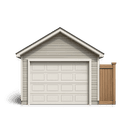
Other Structures
Detached structures on your property, such as a fence, shed, detached garage, or gazebo. Usually set at about 10 percent of your dwelling limit [2].

Personal Property
Your belongings, furniture, clothing, electronics, and appliances, generally written at 50 to 70 percent of your dwelling limit [2]. High-value items like jewelry and art carry special limits.

Additional Living Expenses
Also called loss of use. Pays your added living costs, hotel stays, meals, and a temporary rental, while a covered loss makes your home uninhabitable. Usually set at about 20 percent of your dwelling limit.

Liability
Covers you if someone is injured on your property, or you damage someone else's property, and you are found responsible. The standard $100,000 limit [2] is often raised to $300,000 or $500,000.

Medical Payments
Pays small medical bills, commonly $1,000 to $5,000, if a guest is hurt at your home regardless of fault, without a formal liability claim.
Homeowners Insurance Cost in Buffalo
Average Cost in New York
$100 - $300
per month
In New York, homeowners insurance premiums typically run $100 - $300 per month, which tends to run 11% above the national range of $110 - $250 per month.
- Home replacement cost, age, and construction type
- Roof age, material, and condition
- ZIP code and local weather risk (wind, hail, wildfire, hurricane)
- Coverage limits and endorsements
- All-peril and percentage wind/hail deductibles
- Claims history and insurance score where allowed
Typical range for many standard homeowners profiles; lower-risk homes fall below it and coastal, wildfire, or older-roof homes can run well above. Final pricing depends on property details, location, underwriting, and selected coverage.
Prices shown are general estimates, not guaranteed rates or quotes. Your actual premium will depend on the insurer, coverage selected, personal details, location, claims history, and other underwriting factors. Learn about our pricing methodology.
Homeowners pricing in New York is usually wide because carriers are pricing the house itself, not just the ZIP code. Premiums can vary materially based on rebuild cost, roof age, claim history, deductible choice, protection class, and whether the quote includes endorsements that broaden settlement or water-related protection. You should line up quotes with the same dwelling amount and the same deductible before deciding which one is truly competitive.
A lower premium can come from several places that are not always obvious at first glance. One quote may assume actual cash value on certain components, another may trim optional endorsements, and another may apply stricter underwriting to older roofs or prior losses. The lowest-priced option can become the most expensive one at claim time if the policy handles roof depreciation, code upgrades, or basement-related damage more narrowly than you expected.
Your home's age, update history, and construction details often move the price materially. Carriers may look closely at electrical, plumbing, heating, and roof condition, especially in older homes where deferred maintenance can increase the chance of water or fire losses. Deductible selection also changes the monthly cost, but it only helps if the amount still fits your emergency budget. Ask each carrier to show the premium difference for at least two deductible options and to explain any endorsements driving the final number.
What Affects Homeowners Insurance Rates in Buffalo
Buffalo’s housing math can change how you shop. Many owners are balancing a relatively modest property value against a budget that may not absorb a large out of pocket loss easily. That is where quote comparisons need to go beyond the premium. Review the dwelling limit against the home’s actual rebuild characteristics, then test deductible options you could realistically fund after a covered loss. If your house has older finishes, a garage, fencing, or a finished lower level, ask how those features are being valued and whether sublimits apply. This is also a market where underinsuring to match a purchase price can backfire. A lower home value does not automatically mean a low repair bill, so it is worth asking for a line by line explanation of the main property limits before you bind coverage.
What Makes Buffalo Different
Replacement planning is the main Buffalo difference. In a market with lower home values than many buyers expect elsewhere in the state, you can be tempted to anchor your insurance decision to the transaction price or assessed value. That shortcut can leave gaps if the home has older construction details, detached structures, or interior features that cost more to restore than the market value suggests. The local calculus is less about whether homeowners insurance is generally needed, which the state page already covers, and more about how carefully you match limits to the actual structure you own. Buffalo’s median household income is $48,050 adds another layer, because deductible and endorsement choices have to be workable on your budget after a claim, not just acceptable on quote day. The useful question is whether your policy is built around the house’s repair profile and your cash flow, rather than around a number from the listing or appraisal.
Our Recommendation for Buffalo
Start with the address and the house details, not the loan amount. Ask for a quote review that checks dwelling, other structures, personal property, and loss of use against how the property is actually laid out and updated. If the home has older systems or partial renovations, ask what the carrier assumes about roof age, wiring, plumbing, and heating, because those details can change eligibility and limit recommendations. Keep deductible decisions practical. A higher deductible may lower the premium but still create strain after a covered loss if you have not set that money aside. It is also smart to compare optional endorsements one by one instead of accepting or rejecting a package blindly. Before you buy, ask the agent to explain which limits are based on your home’s characteristics and which are simply default settings, then request a free, no obligation quote you can compare side by side.
Get Homeowners Insurance in Buffalo
Enter your ZIP code to compare homeowners insurance rates from carriers in Buffalo, NY.
Home insurance starting at $50/mo
FAQ
Frequently Asked Questions
Buffalo buyers often need to look past market value. The safer review is whether your dwelling limit matches the home’s repair and rebuild characteristics, especially if the property has older construction or detached structures.
Buffalo homes can sell for less than they would cost to repair in kind. The local issue is not just purchase price, but whether your policy limits reflect the structure, updates, and features that would need to be restored after a covered loss.
Buffalo households need a deductible they can actually fund after a claim. The city’s median household income is $48,050, so it is worth testing premium savings against the cash you would need to pay before coverage begins.
Erie County has 22,574 business establishments, with retail trade at 13.9%, health care and social assistance at 11.7%, and other services at 10.7%, so many households rely on steady commuting and wage income and should review loss of use and deductible choices carefully.
Quotes often separate because carriers weigh roof age, update history, deductibles, and endorsement choices differently. Compare the same dwelling amount and forms before deciding one quote is truly cheaper.
Buyers with finished basements should review water exclusions, property valuation below grade, and how the policy treats mechanical systems in lower levels. That is often where a low-premium quote gives up important claim value.
Homeowners should base the quote on rebuild cost, then verify that the estimate reflects the home's actual construction and updates. Market value can move for reasons that have little to do with what it costs to repair or rebuild the structure.
Homeowners should ask whether roof losses are settled on replacement cost or a more limited basis, and whether roof age changes eligibility or pricing. That answer can matter as much as the premium if storm damage happens.
Sources
- 1.U.S. Census Bureau, ACS 5-Year Estimates, table B25077(Buffalo’s median home value is $152,300)
- 2.U.S. Census Bureau, ACS 5-Year Estimates, table B19013(Buffalo’s median household income is $48,050)
- 3.U.S. Census Bureau, County Business Patterns, Erie County(Erie County has 22,574 business establishments, with retail trade at 13.9%, health care and social assistance at 11.7%, and other services at 10.7%)
Updated July 5, 2026