Updated July 16, 2026

Key Takeaways
- Compare a standalone commercial property policy against a Businessowners Policy using the same deductible, valuation method, and business income assumptions.
- Review whether your building and contents are insured on actual cash value or replacement cost before you accept a lower premium.
- Update your property schedule, equipment list, and inventory values before requesting quotes so limits match what you own now.
- Read your lease and identify which improvements, fixtures, signs, and attached equipment you are responsible to insure.
- Ask for ordinance or law and equipment breakdown to be reviewed if rebuilding costs or mechanical failure could interrupt operations.
Commercial Property Insurance in New York
New York combines dense urban property values, a high concentration of small businesses, and elevated storm exposure into one demanding insurance market. The state has 572,400 businesses, and 99.8% of them are small operations, which means most owners are protecting storefronts, offices, or warehouses that cannot afford a long shutdown after a covered loss. The New York State Department of Financial Services oversees the market, and the state's premium index of 138 signals higher-than-average property insurance costs compared with the national baseline. That premium index of 138 means you should expect to pay more than owners in lower-cost states for similar coverage. Location, construction type, and local hazard exposure can all change how a carrier views your risk. The real question is how much of your operation depends on that space staying usable after fire, storm damage, theft, vandalism, or equipment failure.
What Commercial Property Insurance Covers
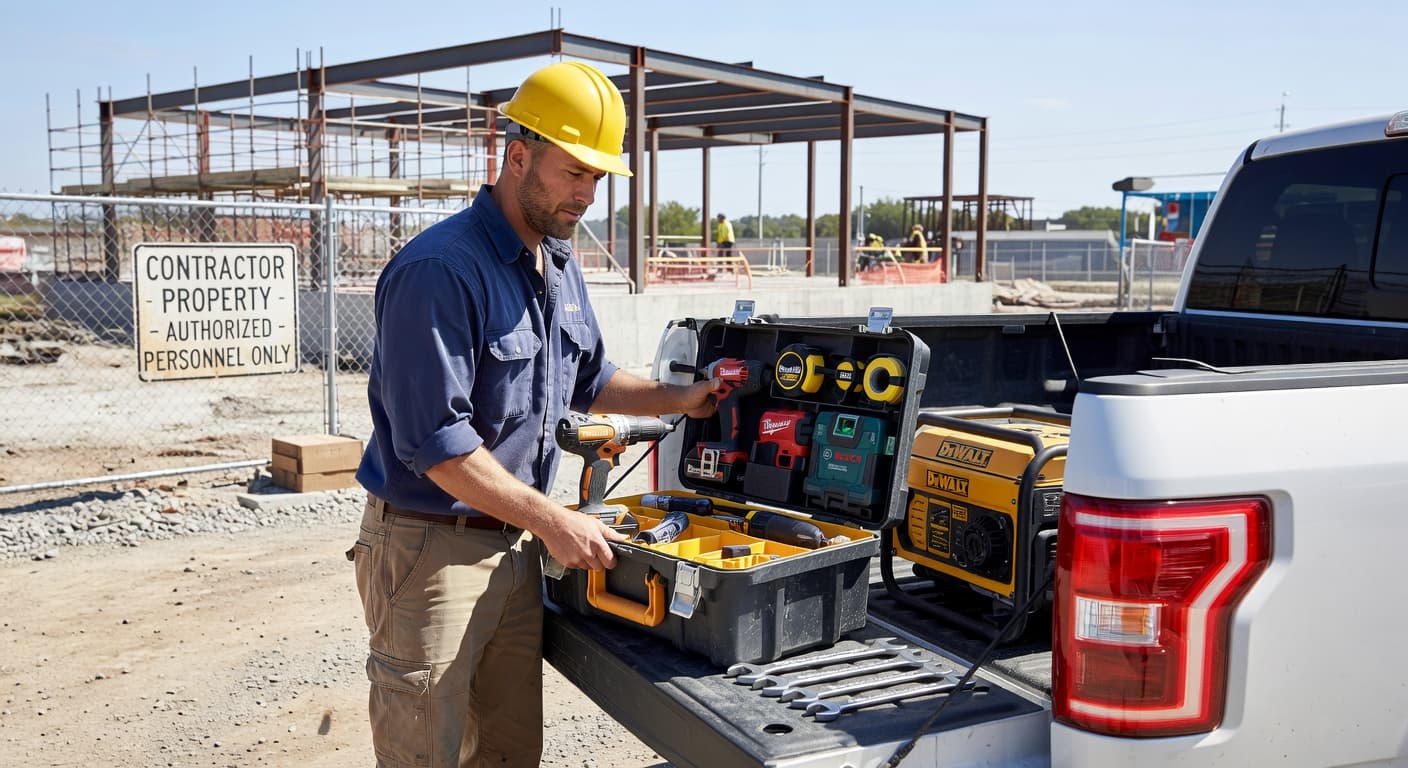
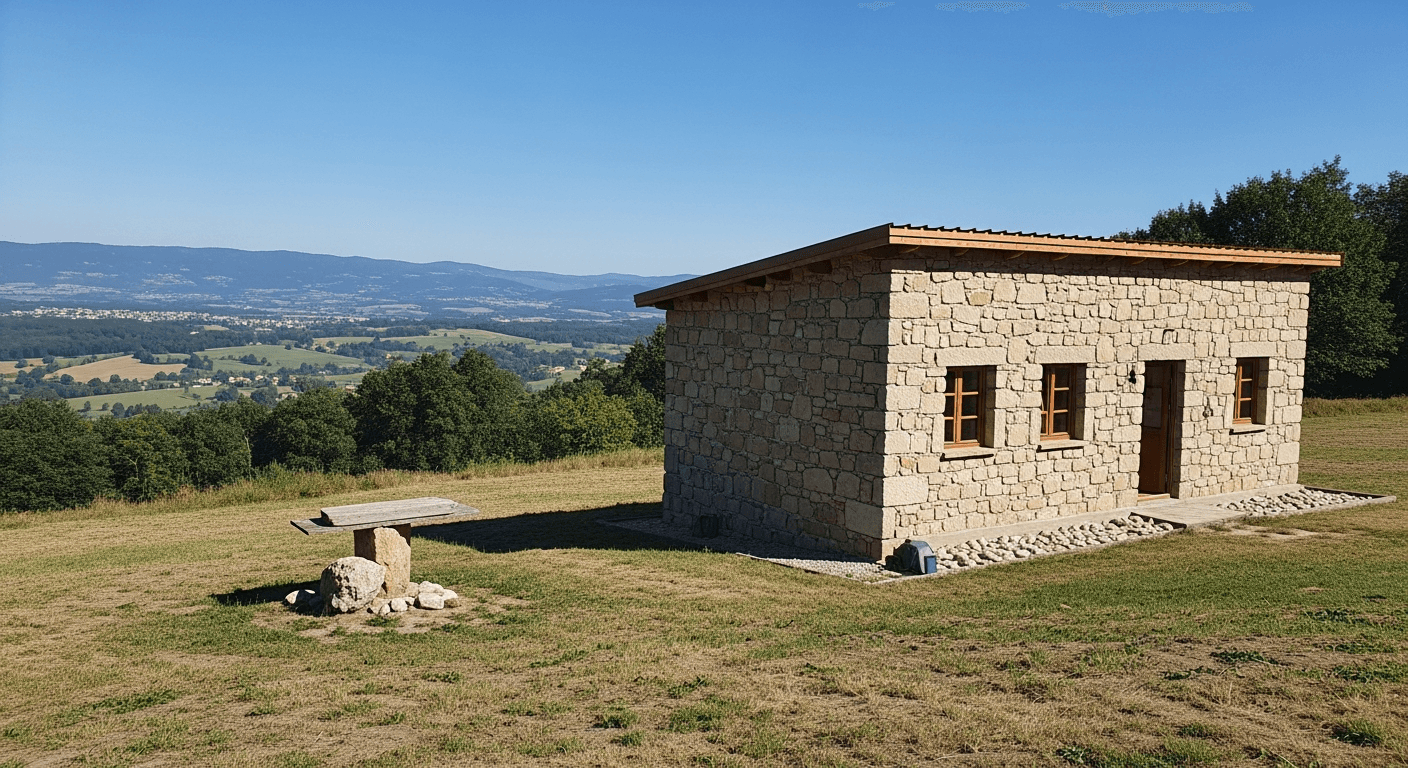
Commercial property insurance is designed to protect the physical pieces of your operation that are exposed to building damage, fire risk, theft, storm damage, vandalism, equipment breakdown, and natural disaster losses that are covered by the policy. If you own the building, building coverage can respond to damage to the structure itself. If you lease, business personal property coverage is usually the part that matters most for equipment, furniture, fixtures, inventory, computers, and signage. The policy can also include business income coverage for lost revenue and continuing expenses after a covered closure, which is especially useful in a state where winter storms, hurricanes, and severe storms can interrupt operations.
New York does not use this coverage to replace separate flood insurance. Standard commercial property policies exclude flood damage even when the location is outside a designated flood zone. That distinction matters in a state with high flooding risk and recent disaster history tied to Hurricane Ida remnants, Superstorm Sandy, and flash flooding. Optional endorsements such as equipment breakdown coverage and ordinance or law coverage can matter for older buildings or specialized equipment, but the exact availability and terms vary by carrier and policy form. Review the policy language carefully rather than assuming every physical loss is included.

Building Coverage
Can help pay to repair or rebuild your building after covered damage like fire, wind, or vandalism.

Business Personal Property
Can help replace furniture, inventory, equipment, and supplies inside your building when a covered event damages or destroys them.
Business Income
May replace lost revenue and help cover ongoing expenses like payroll and rent while covered damage keeps your business closed.

Equipment Breakdown
Typically covers sudden mechanical or electrical failure of equipment like HVAC systems, boilers, or refrigeration units, which standard property policies often exclude.
Ordinance or Law
Can help cover the added cost of rebuilding to current building codes after a covered loss to an older structure.
Commercial Property Insurance Requirements in New York
- Standard commercial property policies in New York exclude flood damage, so separate flood insurance may be needed for that exposure.
- Coverage needs change with the property type, so a leased office suite, a restaurant, and a warehouse should be quoted differently.
- New York businesses should compare quotes from multiple carriers because pricing and forms can vary across the state market.
How Much Does Commercial Property Insurance Cost in New York?
Average Cost in New York
$85 - $410
per month
Businesses in New York typically see commercial property insurance premiums of $85 - $410 per month, which tends to run 39% above the national range of $65 - $290 per month.
- Building value and construction type
- Roof age and condition
- Fire protection class
- Occupancy and the operations inside the building
- Business personal property and equipment values
- Wind and hail deductible terms
Contact CPK Insurance for a personalized quote.
The cost of commercial property insurance in New York is shaped by the state's above-average premium environment, with a product-specific average range of $85 to $410 per month and a broader annual small-business range of $750 to $3,500. That monthly range means a small shop might pay roughly what it spends on a utility bill, while a larger or higher-risk property could pay several times more. New York's premium index of 138 suggests carriers are pricing above the national average, which lines up with the state's high hazard profile and dense property exposure. The biggest drivers are coverage limits and deductibles, claims history, location, industry or risk profile, and policy endorsements, all of which can move a quote up or down.
Carriers assess risk differently depending on the property. A storefront in a higher-traffic area, a warehouse near storm-prone or flood-prone zones, and a building with older systems may all be viewed differently than a newer, lower-risk property elsewhere in the state. New York's elevated hurricane risk, high flooding risk, and high winter storm risk are especially relevant because catastrophe-prone areas tend to see higher prices. The state's competitive market gives owners several options to compare, but competition does not eliminate the effect of local exposure.
| Property Type | What's Covered | Common Exclusions |
|---|---|---|
| Building | Structure, roof, systems, permanent fixtures | Flood, earthquake, normal wear |
| Business Personal Property | Equipment, inventory, furniture, computers | Employee personal property, vehicles |
| Tenant Improvements | Build-outs, custom installations, modifications | Structural changes without landlord approval |
| Business Income | Lost revenue during covered shutdown | Losses from non-covered perils |
| Extra Expense | Additional costs to minimize shutdown | Costs not related to covered loss |
Building
- What's Covered
- Structure, roof, systems, permanent fixtures
- Common Exclusions
- Flood, earthquake, normal wear
Business Personal Property
- What's Covered
- Equipment, inventory, furniture, computers
- Common Exclusions
- Employee personal property, vehicles
Tenant Improvements
- What's Covered
- Build-outs, custom installations, modifications
- Common Exclusions
- Structural changes without landlord approval
Business Income
- What's Covered
- Lost revenue during covered shutdown
- Common Exclusions
- Losses from non-covered perils
Extra Expense
- What's Covered
- Additional costs to minimize shutdown
- Common Exclusions
- Costs not related to covered loss
How New York compares with the national baseline
Property crime per 100,000 residents
1,580 vs 2,200 baseline
Property crime in New York runs below the national average, at 1,580 vs 2,200 incidents per 100,000 residents.
Blue bar: New York. Gray line: national baseline.
Prices shown are general estimates, not guaranteed rates or quotes. Your actual premium will depend on the insurer, coverage selected, business details, location, claims history, and other underwriting factors. Learn about our pricing methodology.
Request a Quote Comparison
Enter your ZIP code to compare commercial property insurance rates from top carriers.
Business insurance starting at $25/mo
Who Needs Commercial Property Insurance?
Many New York businesses need commercial property insurance because the state economy is built around physical locations that depend on inventory, equipment, and customer-facing space. A retail shop may need protection for stock, fixtures, signage, and storefront buildouts, especially in markets where theft and burglary exposure matter. A healthcare clinic that owns its space may need building coverage for expensive equipment and interior improvements. A restaurant often relies on business income coverage because a covered closure can interrupt revenue, payroll, rent, and loan payments even when the building itself is repairable.
Professional and Technical Services firms may not carry large inventories, but they often have furniture, computers, and leased-space improvements that still need business personal property coverage. Finance and Insurance offices, especially in urban and suburban business districts, may want ordinance or law coverage if a loss triggers code-related rebuild costs. Across the state, owners should think about storm damage and fire risk because New York's hazard profile is high enough that location can materially affect both coverage planning and pricing. If you own your building, the need is broader, and if you lease, the policy still helps protect the business assets inside the space.
Commercial Property Insurance by City in New York
Commercial Property Insurance rates and coverage options can vary across New York. Select your city below for localized information:
How to Buy Commercial Property Insurance
Buying commercial property insurance in New York usually starts with identifying whether you need building coverage, business personal property coverage, or both, then matching those limits to the value of your space and contents. It helps to gather details on square footage, construction type, occupancy type, security features, fire protection, and any recent claims before requesting a quote. The state is regulated by the New York State Department of Financial Services, so policy review should include the carrier's form language, deductible structure, and any endorsements that affect the final protection. New York's active insurance market gives owners several options to compare, but the right choice depends on the property profile rather than carrier name alone.
Your property type should drive the coverage conversation. Specialized equipment calls for equipment breakdown coverage, while older buildings that may need code upgrades after a loss call for ordinance or law coverage. The most efficient buying process is to request multiple quotes, compare replacement cost versus actual cash value, and verify whether business income coverage is included or needs to be added separately. Request a quote through CPK Insurance to compare your options with participating licensed providers.
How to Save on Commercial Property Insurance
One practical step is to avoid insuring the property below replacement value, because underinsurance can create claim reductions and also make the policy less useful when a loss occurs. Another way to manage cost is to choose deductibles that fit your cash flow, since higher deductibles often reduce premium but increase out-of-pocket exposure after a claim. New York owners can also ask whether bundling property with other coverages in a package structure changes the quote, while still checking that the property limits and endorsements are strong enough for the location.
Security improvements, fire protection, and building maintenance can lower your premium because carriers weigh fire station proximity, hydrant access, local claims history, and disaster exposure when pricing your property. If your business is in a high-risk area for hurricane, flooding, or winter storm damage, focus on narrowing the policy to the exposures you actually need rather than paying for unnecessary extras. Comparing quotes from multiple carriers is especially useful in a competitive market, because pricing can vary even when the coverage language looks similar.
Our Recommendation for New York
For New York businesses, the smartest commercial property insurance purchase is usually the one that matches the building's real replacement cost, the contents inside it, and the downtime risk created by a closure. If you own property in a storm-exposed or flood-prone area, do not assume the base policy handles every weather-related loss, because standard forms exclude flood damage and separate flood coverage may be needed. If you lease, focus on business personal property coverage, tenant improvements, and business income coverage so a covered loss does not leave you paying for rent and payroll out of pocket. In older buildings or equipment-dependent operations, ask early about ordinance or law coverage and equipment breakdown coverage, since those endorsements can change how a claim is handled after a loss. Because New York prices are above the national average, the best comparison is not just monthly premium but the protection you receive for that premium.
FAQ
Frequently Asked Questions
Depending on the policy terms, it may help cover your building if you own it, plus business personal property such as equipment, furniture, fixtures, inventory, computers, and signage after covered fire, storm, theft, vandalism, or other covered losses.
Your quote may vary based on limits, deductibles, location, claims history, industry, and endorsements. New York's average range runs from roughly $85 to $410 per month, but a high-risk property or equipment-heavy operation may fall outside that band.
Leasing does not remove the need to protect your business assets, because business personal property coverage can help protect the contents inside the space.
Location, coverage limits, deductibles, claims history, industry or risk profile, and policy endorsements are the main pricing factors, and New York's hurricane, flooding, and winter storm exposure can also influence cost.
Ask about building coverage, business personal property coverage, business income coverage, equipment breakdown coverage, and ordinance or law coverage, since those options can change claim payouts and repair timelines after a loss.
Gather details about your property, contents, construction type, occupancy, security, and fire protection, then compare quotes from multiple carriers and review the forms with the New York State Department of Financial Services rules in mind.
After a covered loss, the policy can help pay to repair or replace damaged property and may also provide business income coverage for lost revenue and continuing expenses if the closure results from a covered event.
Commercial property insurance in the U.S. generally addresses buildings, contents, and related property exposures described in the policy. III says a BOP covers any buildings the business owns and much of the property needed to run the business, so your declarations and endorsements matter.
Sources
- 1.iii.org
Updated July 16, 2026